

Connect Now
Service & Support:
- Follow-up from a licensed broker within 24 hours
- Policy Review and Comparison
- Risk Assessment
- Help with certificates of insurance, policy changes and contract reviews
- Renewal planning well before your policy expires
Quick answer
What insurance does a restaurant need in Ontario?
Most Ontario restaurants need commercial general liability and commercial property coverage, often packaged with business interruption, equipment breakdown and spoilage coverage. Restaurants that serve alcohol should add liquor liability, and those with workers generally must register with WSIB. The right mix depends on seating, cooking methods, delivery and catering. A licensed broker can help.
Restaurant Insurance Ontario
Restaurant insurance is a tailored business insurance package designed to protect your restaurant, café, bar, pub, catering company, or food service operation from the most common to the most expensive losses. It typically combines liability coverage, property coverage, and options like business interruption, liquor liability, and equipment breakdown.
A licensed broker will work with a restaurant owner to secure coverage that is built for real operations, not generic templates. Your broker can help you choose the right limits, spot coverage gaps before they become claim problems, and support you if something goes wrong.

How CommercialInsurance.ca works
We are not an insurer or a broker. We find you the right one.
Matched by industry
We connect you with a broker who works with businesses like yours, not a generic call centre.
Licensed Ontario brokers
Insurance brokers in Ontario are licensed by the Registered Insurance Brokers of Ontario (RIBO).
Fast follow up
Once we receive your information, a professional in our network will connect with you within 24 hours.
No cost to be matched
Our referral service is free for businesses. You deal directly with the broker for quotes and coverage.
What is restaurant insurance?
Definition and Importance
Restaurant insurance is designed specifically for food and beverage businesses. It is built to address the risks restaurants face every day, including customer injuries, food-related claims, property damage, and operational shutdowns.
It matters because restaurants have multiple exposures happening at once:
Customers and delivery drivers entering and exiting all day
Staff working around hot surfaces, sharp tools, and wet floors
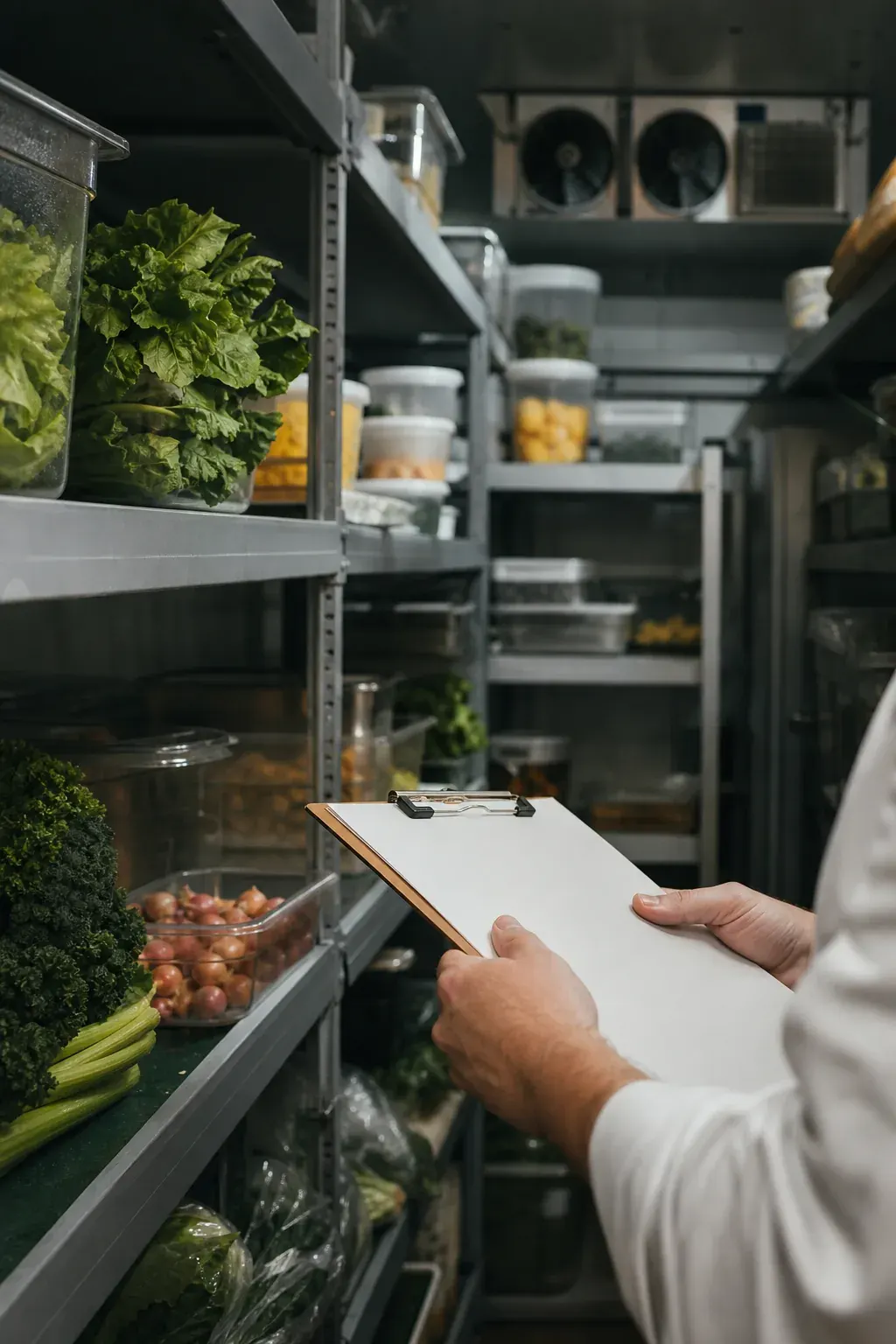
Refrigeration and kitchen equipment that can fail unexpectedly
Liability exposure from the food and beverages you serve
High reliance on daily revenue, meaning a closure can quickly become a cash flow crisis
Key Benefits of Restaurant Insurance
A well-structured restaurant insurance policy helps you:
Protect your building, equipment, and inventory
Reduce the financial impact of lawsuits and liability claims
Keep cash flow moving after an insured loss through business interruption coverage
Meet landlord, lender, franchisor, and vendor requirements (often including certificates of insurance)
Operate with confidence knowing you have a plan for major setbacks
What does restaurant insurance cover?
Restaurant insurance is usually a package made up of several coverages. The best program depends on your business model, your location, and what you serve.
General Liability Insurance
Commercial general liability (CGL) is the foundation of most restaurant insurance programs. It helps protect your business from third-party claims of bodily injury, property damage, and certain personal and advertising injuries.For restaurants, this often includes scenarios like:
Slip and fall injuries in your dining room or washrooms
Property damage to a landlord’s premises caused by your operations
Product liability claims connected to food and beverages you serve, including foodborne illness or allergen-related incidents, depending on the claim and policy terms
If you serve alcohol, you should also discuss liquor liability. Liquor liability is designed to protect you if a claim alleges harm caused by an intoxicated person after being served at your establishment. Many restaurant insurance programs treat this as a required add-on for bars and licensed restaurants.
Connect Now
Property Insurance
Property coverage protects the physical assets that keep your restaurant running. This can include:
The building (if you own it)
Tenant improvements and leasehold improvements (if you rent)
Contents like furniture, POS systems, kitchen equipment, smallwares
Stock and inventory, including food and beverage inventory
For restaurants, property coverage is critical because kitchen fires and water damage are among the most severe and disruptive losses.
Equipment breakdown and spoilage
Many restaurants also need protection for internal equipment failures, especially refrigeration, HVAC, and electrical breakdowns. Equipment breakdown coverage is designed to cover losses from sudden and accidental breakdown of mechanical, electrical, or pressure equipment and can also address spoilage and business interruption, depending on the policy.
This is highly relevant for restaurants because a refrigeration failure can cause thousands of dollars in spoiled inventory in hours.
WSIB Coverage
For most restaurants, workplace injury protection is tied to Ontario’s workplace safety system.In Ontario, restaurants, bars and catering businesses generally fall within the industries that require WSIB coverage, so most restaurant employers must register once they hire workers. You can confirm your classification directly with WSIB.
Some employers with non-mandatory coverage can apply to WSIB for coverage.
From a risk perspective, restaurants should treat employee injury exposure seriously. Employer liability risk and obligations can look different depending on whether the business is within WSIB or outside it.
Your broker can help you understand how your staffing model and WSIB classification fit with the rest of your insurance program.

Business Interruption Insurance
Business interruption insurance (often called business income insurance or profits) helps cover lost income and ongoing expenses when your restaurant must close or reduce operations due to a covered property loss. It may also cover certain overhead costs like rent, utilities, and payroll, depending on your policy.
Restaurant owners often underestimate how long it can take to fully recover after a major loss. Repairs are only one part. You may also need time for inspections, equipment replacement, staff re-hiring, and rebuilding customer traffic.
A strong business interruption setup can include:
Business income during the shutdown
Extra expense coverage to reduce downtime (temporary kitchen space, rush shipping for equipment, etc.)
Restaurant insurance by type of business
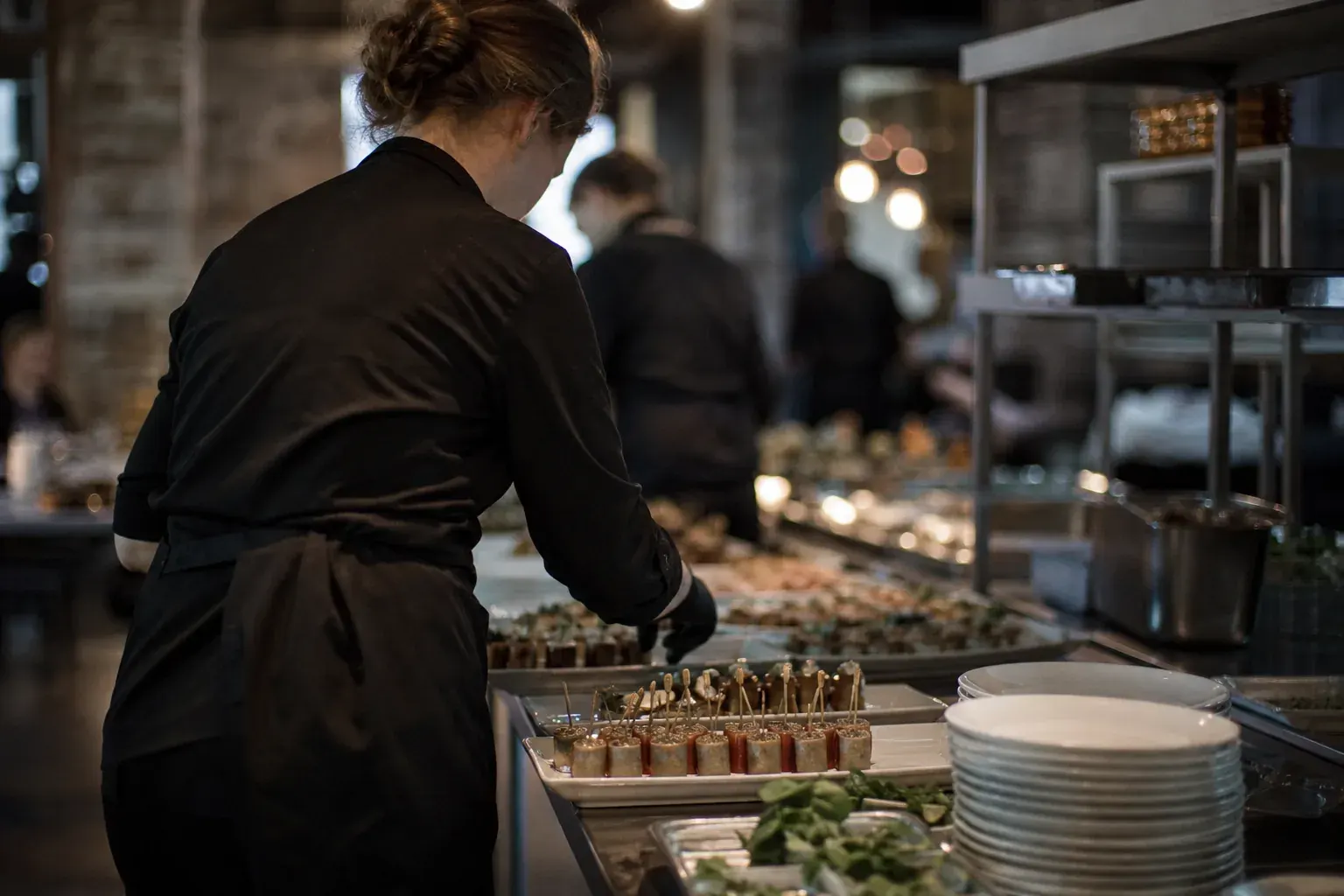
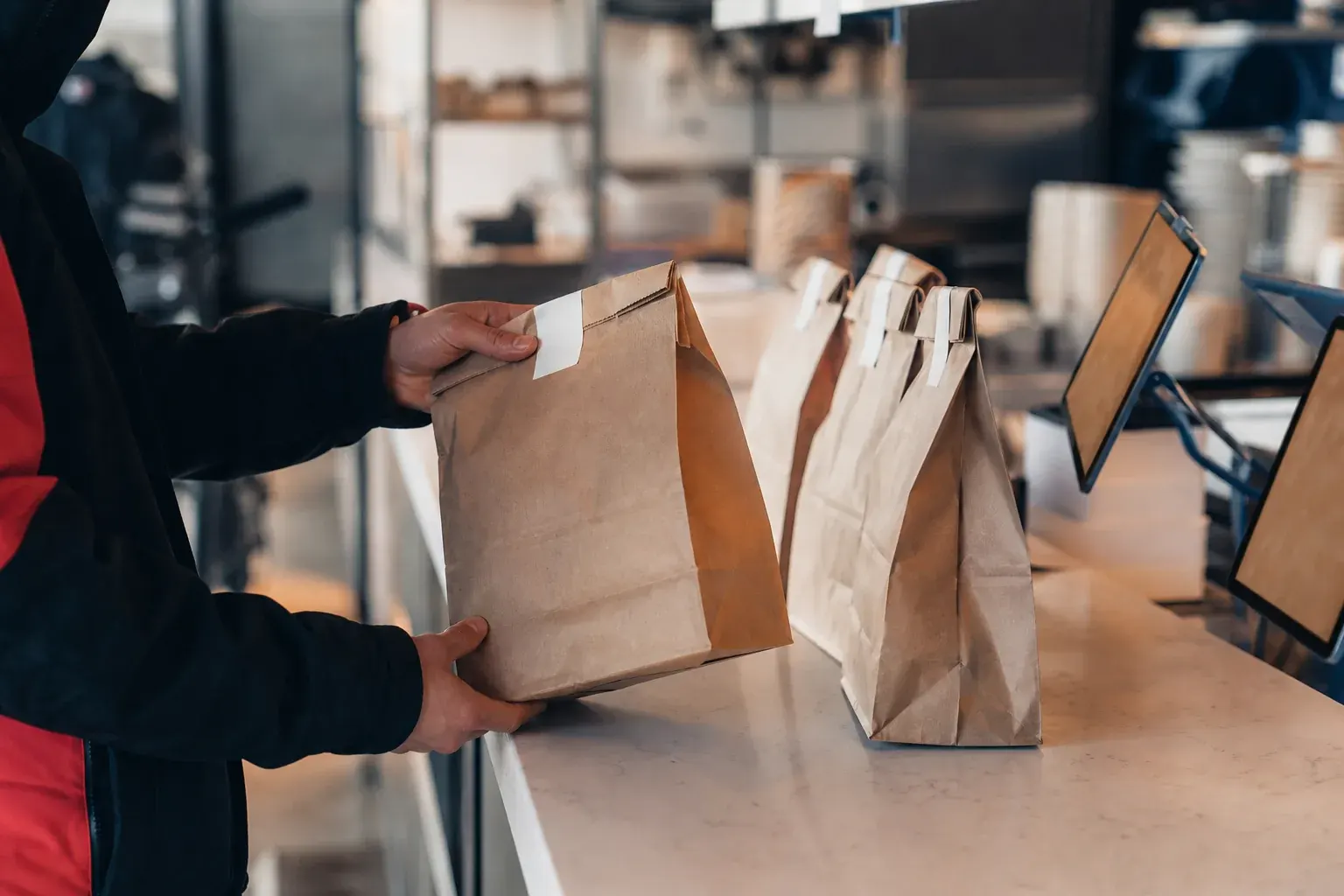
Every food and beverage business has its own mix of risks. Choose your type of operation for a deeper guide.
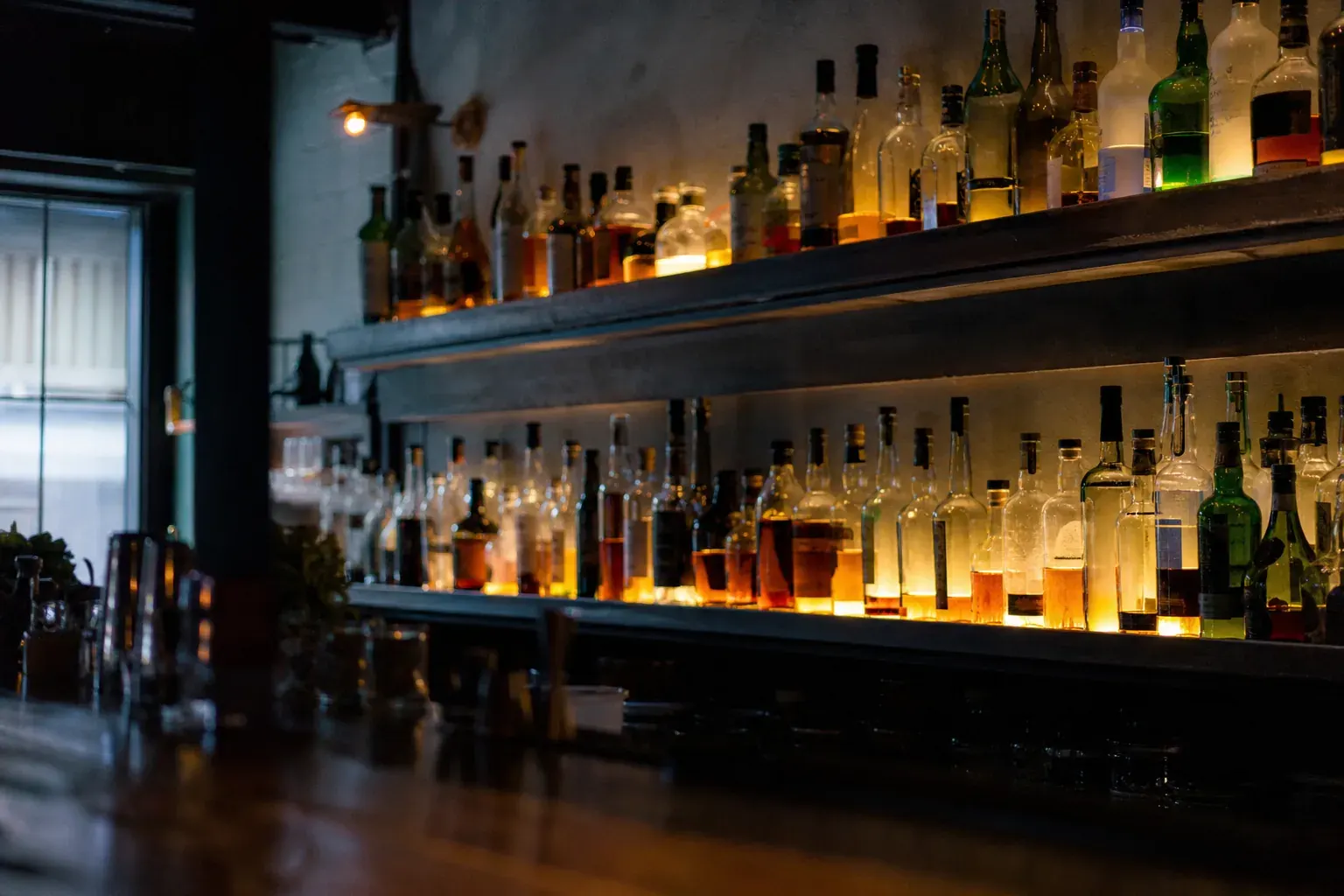
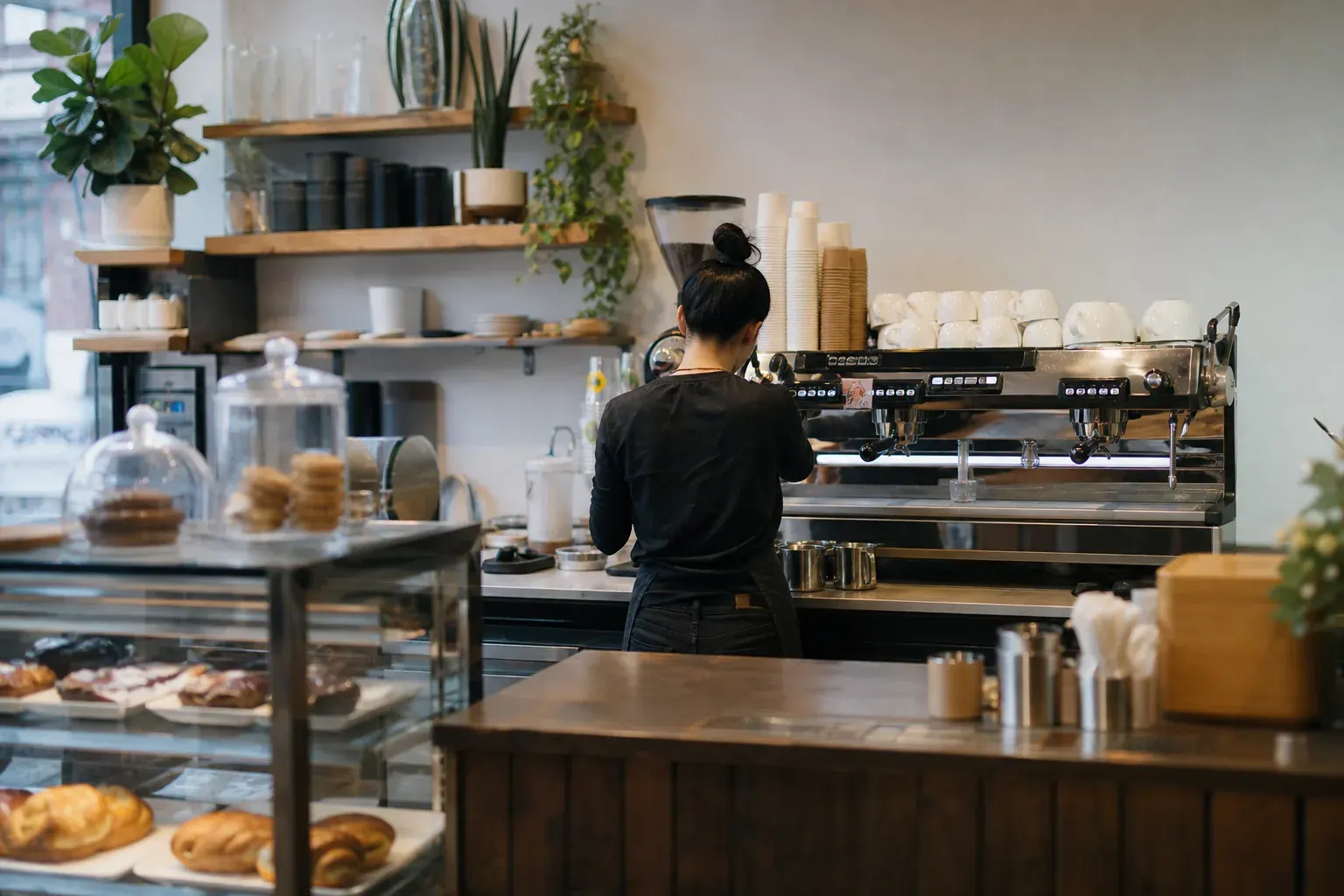
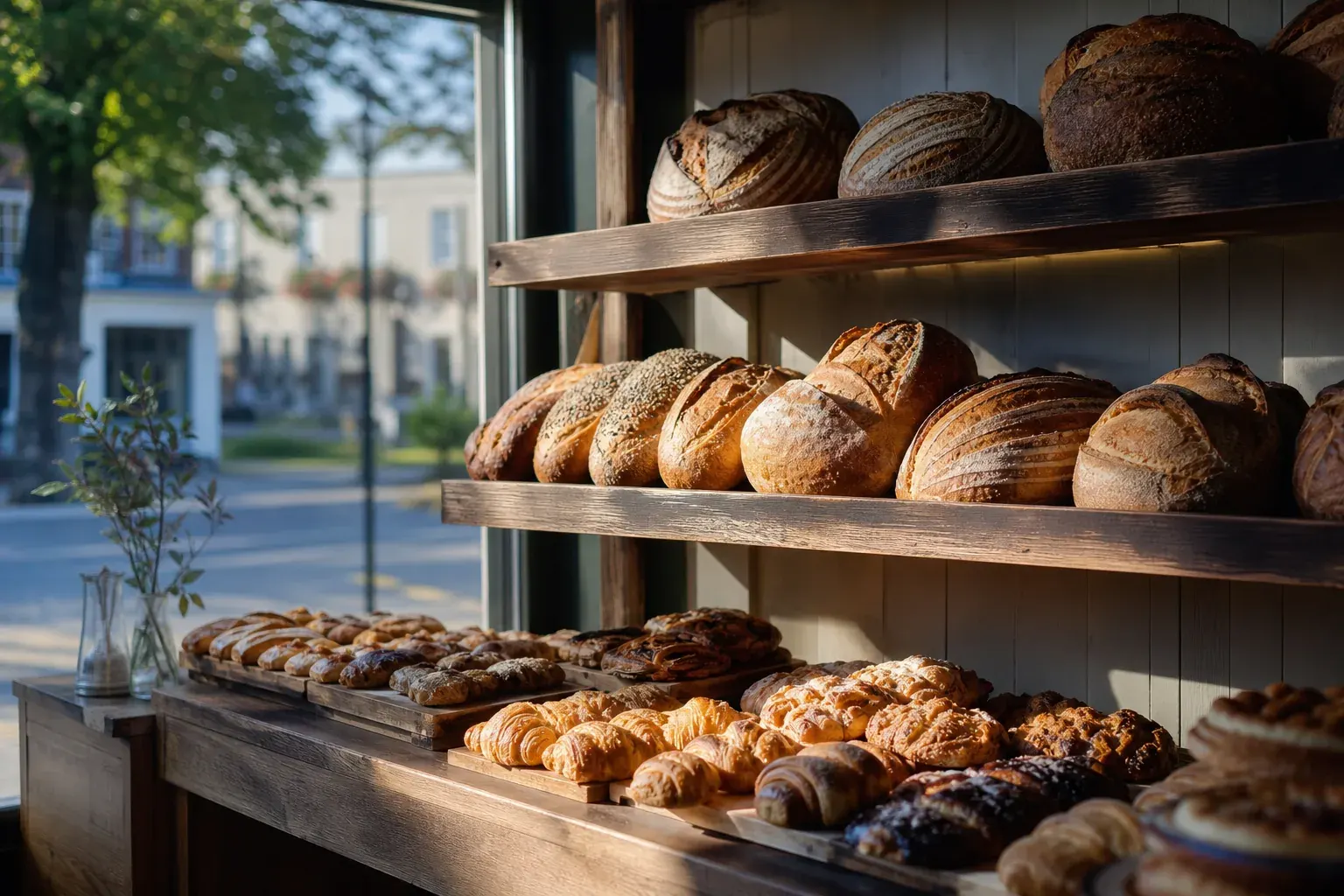
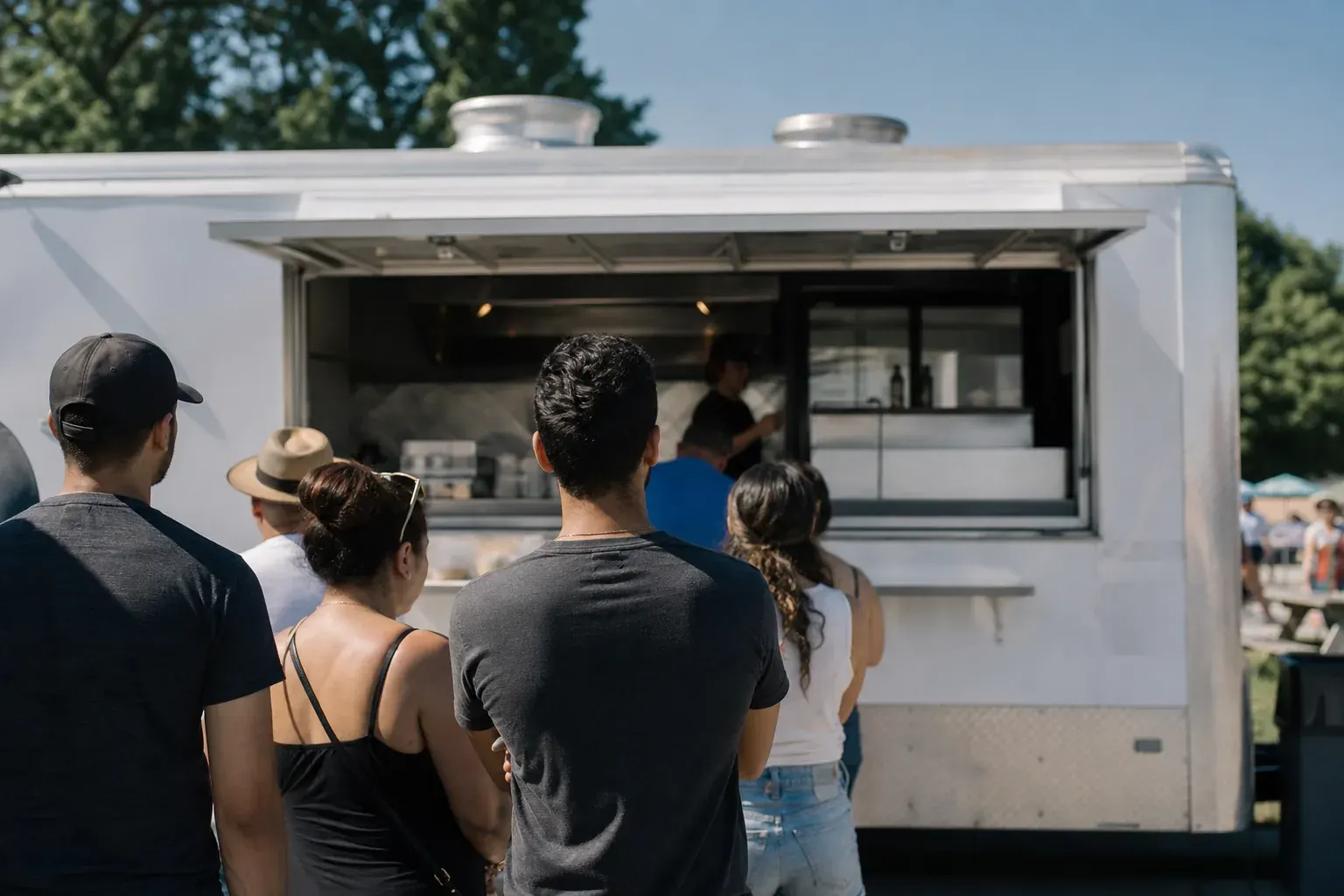

What affects the cost of restaurant insurance?
There is no single standard for restaurant insurance cost in Ontario. Premiums vary widely, even between two similar restaurants in the same city, because underwriting is driven by both the property risk and the liability risk.
Here are the biggest drivers.
Location and Type of Restaurant
Insurers look at how you operate, not just your address. Key considerations include:
Dine-in, take-out, delivery, catering, food truck, ghost kitchen
Seating capacity and hours of operation
Whether you serve alcohol and what portion of revenue is alcohol-related
Cooking methods, including open flame, charbroilers, deep fryers, wood-fired ovens
Fire suppression systems, maintenance routines, and kitchen safety practices
Coverage Limits and Deductibles
Your premium is affected by:
Liability limit selection (for example $1M, $2M, $5M)
Property values for building, contents, tenant improvements
Business interruption limits and indemnity period
Deductible levels for property and other coverages
Higher limits and broader coverage generally increase premium, but choosing limits that are too low can create painful shortfalls during a claim.
Claims History
Past claims, especially repeat water losses, fire losses, or slip and fall claims, can increase premiums and restrict insurer options. Insurers also consider what you have done to prevent repeat incidents.
Your broker will be able to help you present improvements and risk controls clearly, so underwriters see that your business is proactive and well-managed.
Estimated restaurant insurance costs by type
Estimated annual premiums for a core liability and property package for one Ontario location with no recent claims. WSIB, auto and cyber are extra.
| Type of business | Estimated annual premium |
|---|---|
| Cafe or coffee shop (no alcohol) | $1,000 to $3,000 |
| Bakery | $1,200 to $3,500 |
| Takeout or ghost kitchen | $1,200 to $3,500 |
| Food truck (excluding auto) | $1,800 to $4,500 |
| Caterer | $1,500 to $4,500 |
| Full service restaurant with alcohol | $3,000 to $8,000 |
| Bar, pub or nightclub | $4,500 to $12,000+ |
These are estimates only, not quotes. Read the full restaurant insurance cost guide for what drives price and how to lower it.
What Ontario rules affect restaurant insurance?
Liquor licensing and Smart Serve
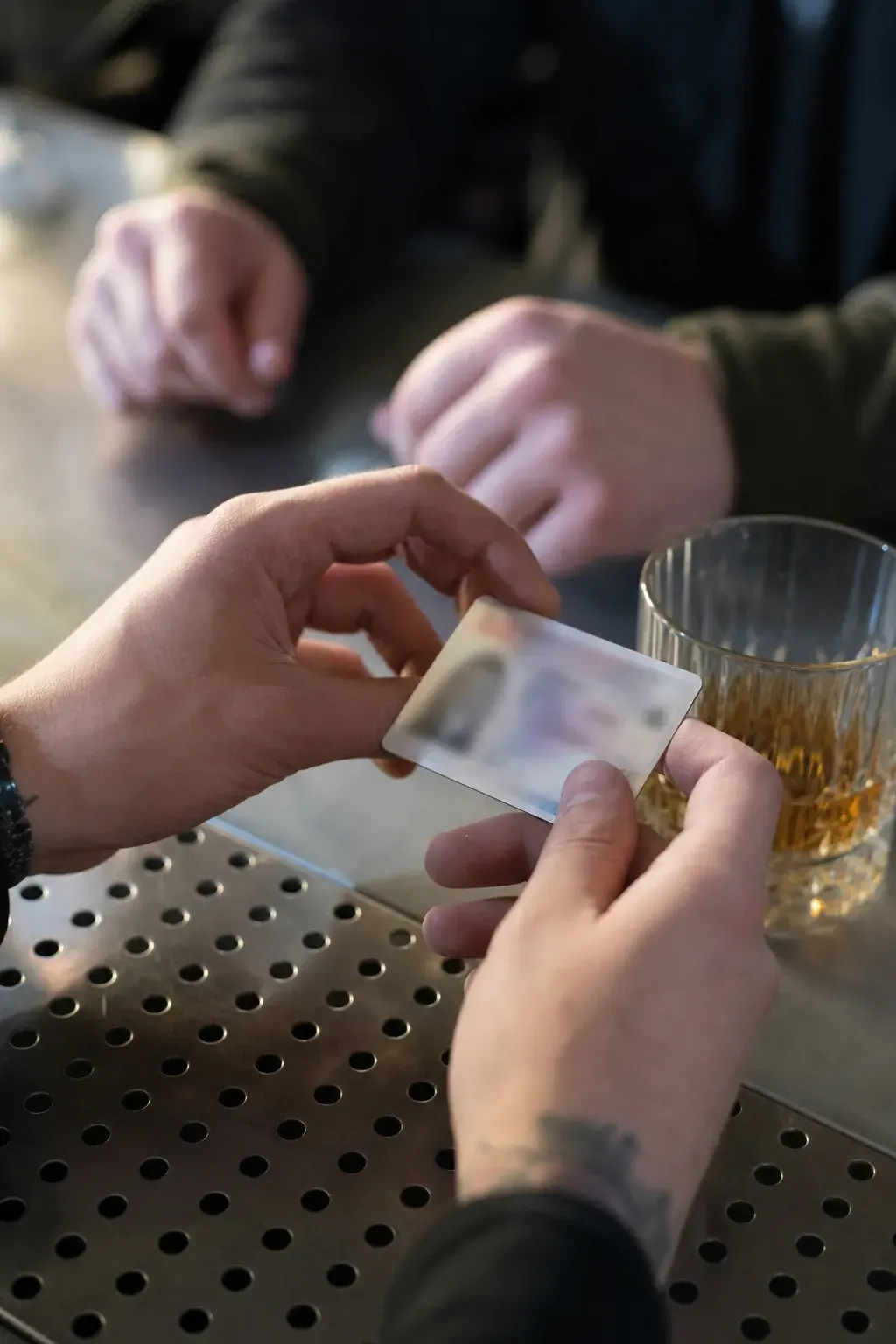
If you serve alcohol, you need a liquor sales licence from the Alcohol and Gaming Commission of Ontario, and everyone who sells, serves or delivers liquor, or takes orders for it, must hold approved responsible service training such as Smart Serve. Your insurer will ask, and your training records are key evidence if an over service claim is made.
- Commercial liquor liability on your policy
- Current Smart Serve certificates for every server
- See liquor liability insurance
Food safety and certified food handlers
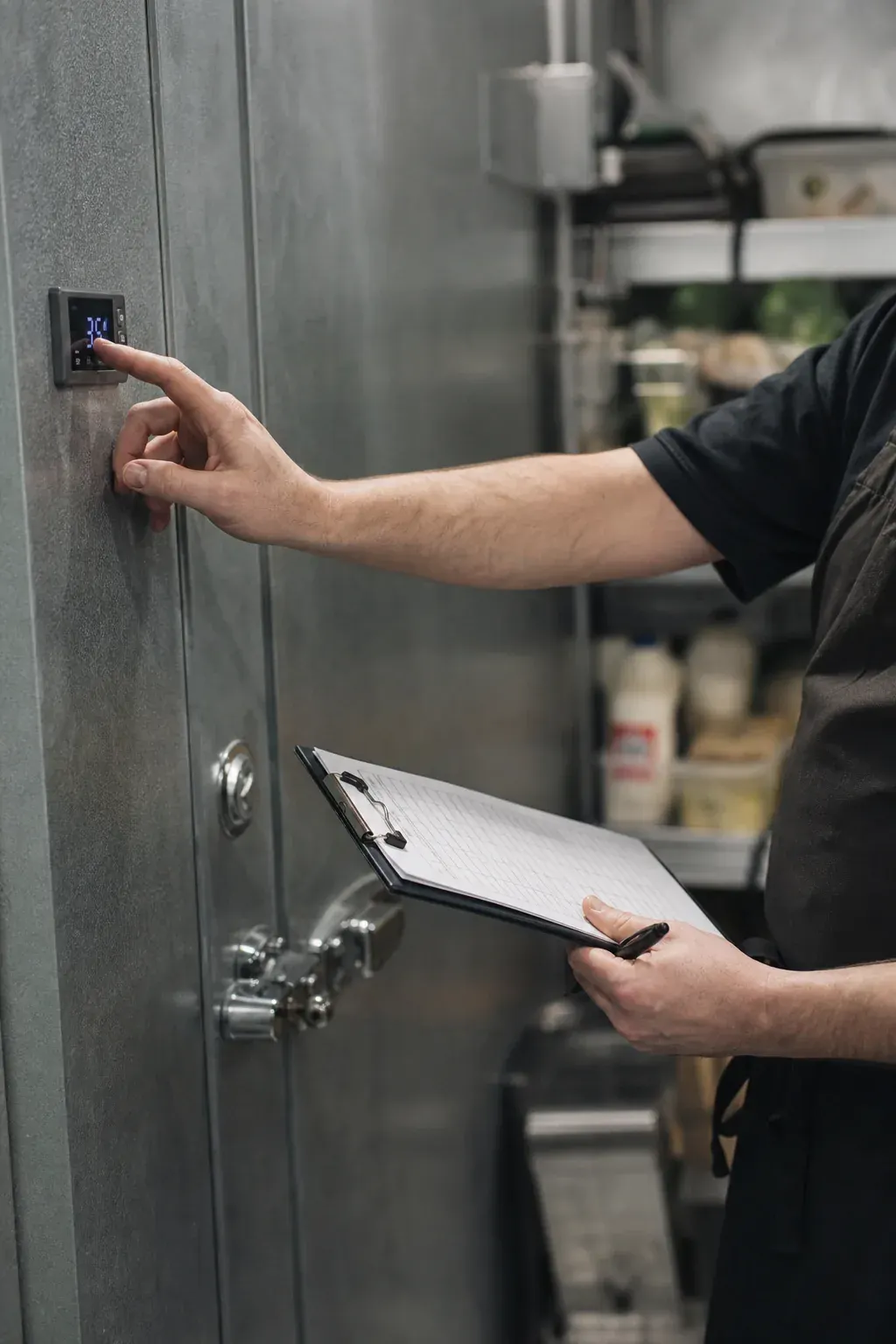
Ontario's food premises regulation requires at least one certified food handler or supervisor on site during every hour of operation. Public health inspection results and food safety records matter to insurers, and they are your first line of defence against an illness claim.
- A certified food handler on every shift
- Temperature and cleaning logs
- Allergen procedures and labelling
WSIB for your staff
Most Ontario restaurants with workers must register with the Workplace Safety and Insurance Board. WSIB covers workplace injuries to your employees, such as burns and cuts, and is separate from liability insurance, which covers guests and the public.
- Register before your first hire
- Report injuries within three days
- Premiums based on payroll and rate group
Patios and sidewalk cafes
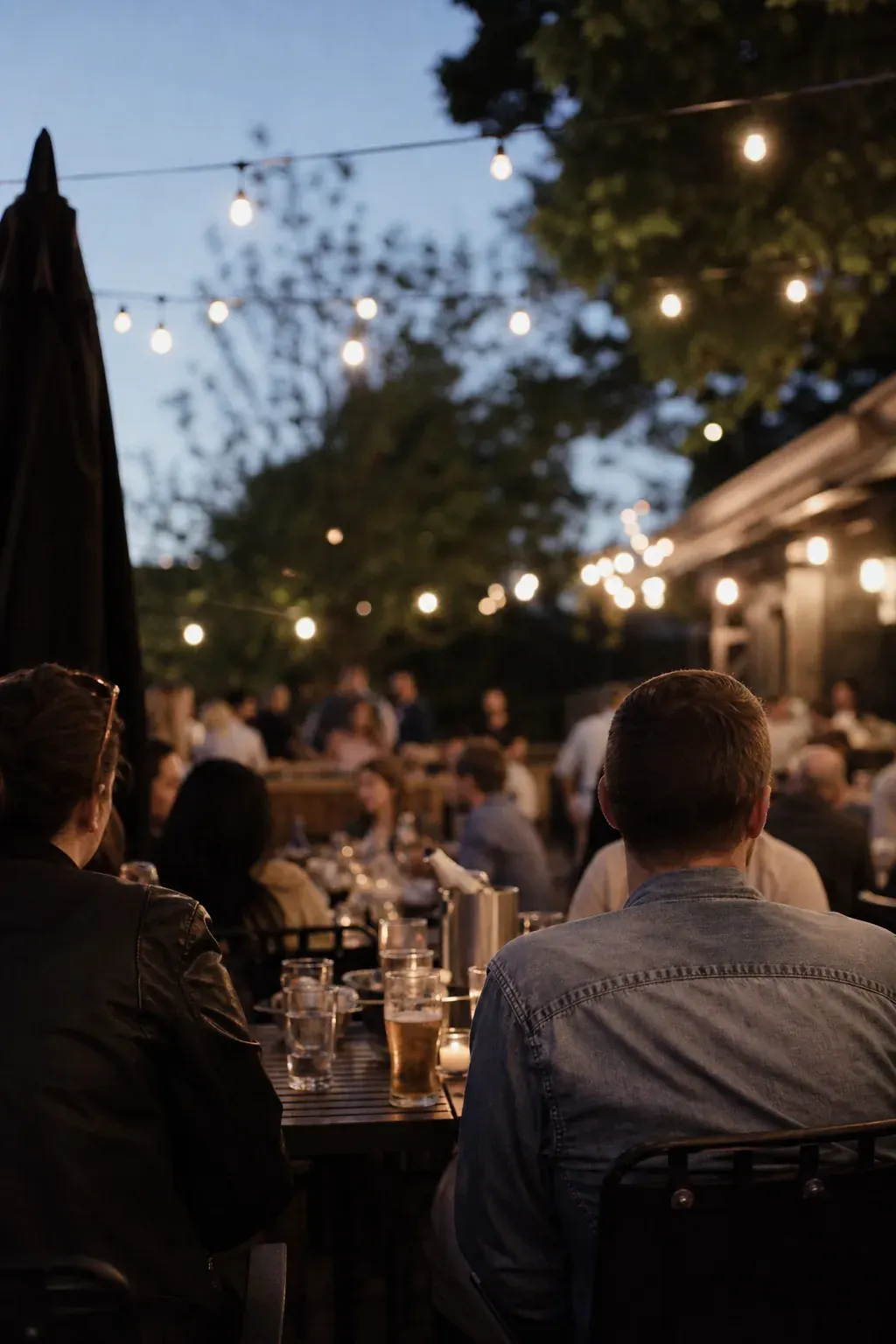
Patios add revenue and risk. Toronto's CaféTO curb lane program requires $2,000,000 in general liability with the City named as an additional insured, and other municipalities set similar conditions. Make sure your patio is included on your policy before opening day.
- Patio included on your liability policy
- City named as additional insured when required
- Tell your insurer about extended patio hours
What restaurant insurance claims happen most often?
These are the losses we see restaurant owners worry about most, and the coverage that usually responds.
Kitchen fire
A grease fire damages the line and closes the restaurant for six weeks.
- Property for equipment and improvements
- Business interruption for lost income
- Insurers often require a maintained suppression system
Cooler failure
A walk-in compressor fails overnight and the stock is lost.
- Equipment breakdown for the repair
- Spoilage for the food
- Temperature alarms help prevent it
Guest slip and fall
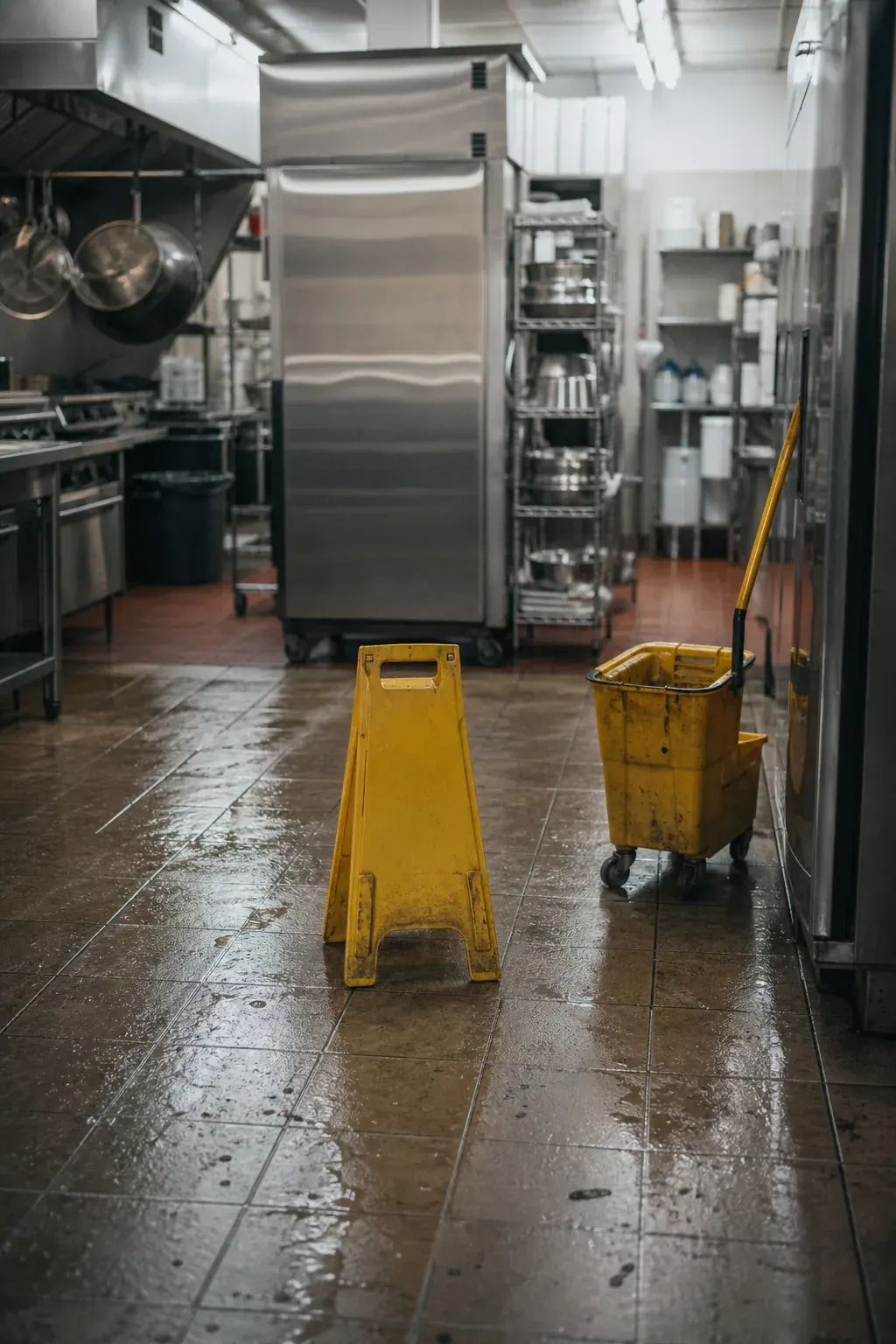
A guest slips on a wet entrance in January and breaks a wrist.
- Commercial general liability
- Snow clearing logs support your defence
- Check who clears snow in your lease
Food illness claim
Several guests report illness after a private event.
- Products coverage under your CGL
- Food safety logs support your defence
- Public health involvement is common
Over service lawsuit
A guest who was served several drinks causes a collision on the way home.
- Commercial liquor liability
- Smart Serve and refusal records
- Consider an umbrella for higher limits
Delivery collision
A staff member delivering in their own car causes an accident.
- Non owned auto liability
- Commercial auto for business vehicles
- See delivery insurance
Who Needs Restaurant Insurance in Ontario?
If you sell prepared food or beverages, you likely need restaurant insurance, but your ideal coverage depends on your model.
Small vs. Large Restaurants
Small businesses often need a packaged policy that includes CGL, property, and business interruption in one plan, plus add-ons like liquor liability and equipment breakdown as needed.
Larger restaurants and multi-location groups may need customized policies with higher limits, broader business interruption terms, and more advanced risk management and reporting.
Dine-in vs. Take-out Services
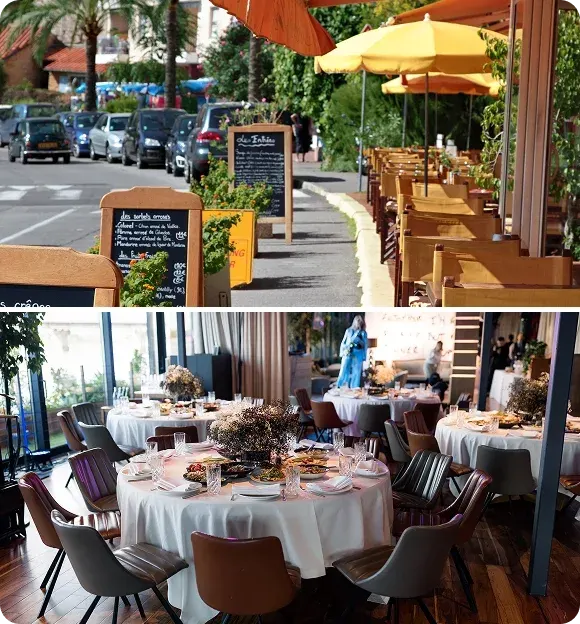
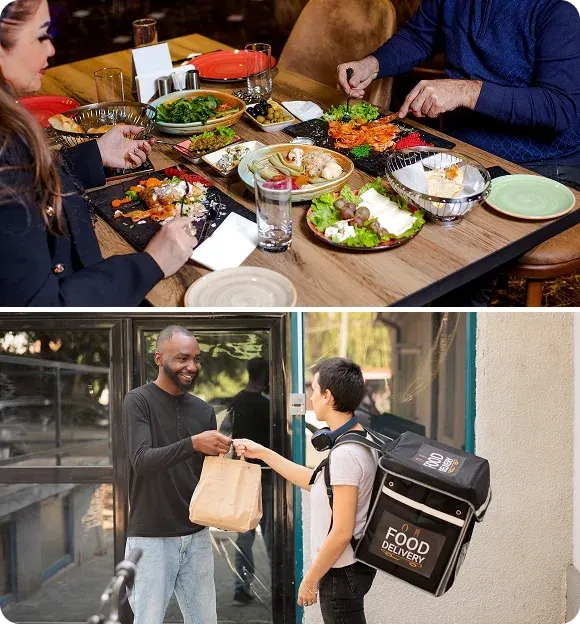
Dine-in restaurants often have more slip and fall exposure and higher premises liability due to customer traffic.
Take-out and delivery focused restaurants often have more delivery and driver-related exposure, plus reputational risk from quality control and packaging issues.
Caterers and event service may need specific coverage for off-premises operations and event-related requirements.
A good broker will match the policy to how revenue is actually earned.
How do you find the right restaurant insurance?
Comparing Quotes and Coverages
Getting quotes is easy. Comparing coverage correctly is what protects you.
When reviewing restaurant insurance quotes, compare:

Liability limits and whether liquor liability is included if you need it

Property coverage valuation, replacement cost vs actual cash value

Equipment breakdown and spoilage coverage options

Business interruption limits, waiting period, and indemnity period

Key exclusions and sub-limits that could impact claim outcomes
Working with a Broker vs. Direct Insurer
Buying direct can work for simple situations, but restaurants are rarely simple. A broker can:

Match your risk profile to insurers that actively write restaurants in Ontario

Explain coverage in plain language

Structure coverage so it aligns with leases, vendor contracts, and licensing needs

Support you during claims and negotiations, not just at purchase time
Regular Policy Reviews and Updates
Restaurants change quickly. Your policy should keep up. Review coverage when you:

Renovate or upgrade equipment

Add patio seating

Add delivery, catering, or a second location

Start serving alcohol

Change ownership structure or staffing levels
Regular reviews help keep you properly insured and reduce surprises during claims.
Why Restaurant Owners Choose CommercialInsurance.ca
A restaurant policy is only valuable if it responds the way you expect when something goes wrong. Ontario restaurant owners choose CommercialInsurance.ca because we focus on connecting you with the right broker to provide you with coverage quality, claim readiness, and service.
 1
1Your Broker will have experience understanding restaurant risk
They know the claims patterns restaurants face, from kitchen fires and water losses to slip and fall claims and liquor liability exposure. That experience helps them recommend coverage that reflects real restaurant operations.
Get Started Now! 2
2They will make sure the insurance actually covers you
They will review policy wording, limits, and exclusions so you are not relying on assumptions. If a claim happens, they will support you through the process and advocate for a fair outcome based on the policy terms.
Get Started Now! 3
3They the market today and as your restaurant grows
Whether you are opening your first location or adding a second and third, they know which insurers are competitive for your current risk profile and which markets can support expansion, higher revenue, and broader operations.
Get Started Now! 4
4They are responsive
A licensed professional in our network follows up within 24 hours. If you need a certificate, contract review, or quick clarification, your broker will move fast.
Get Started Now!
Restaurant insurance checklist before you open
Use this list when you sign a lease or plan an opening date.
Before you sign the lease
- Read the insurance clause and required limits
- Confirm who insures the building and improvements
- Clarify snow clearing and repairs
Before renovations
- Liability in place when you get the keys
- Coverage for improvements as they are built
- Contractors' certificates of insurance
Before opening day
- Liability, property and business interruption bound
- Liquor liability if licensed
- WSIB registration and a certified food handler
Frequently Asked Questions
What does restaurant insurance typically cover?
Restaurant insurance usually combines commercial general liability and commercial property coverage, often with options for business interruption, liquor liability, equipment breakdown, and spoilage, depending on your needs.
Do I need liquor liability insurance if I serve alcohol?
If you serve alcohol, liquor liability is a must. It is designed to address claims alleging harm caused by intoxicated patrons after being served at your establishment.
Does restaurant insurance cover food poisoning or allergic reaction claims?
Food-related claims are often handled under product liability, which can be included within commercial general liability coverage, depending on the policy. Food poisoning and allergic reaction claims are commonly cited examples of product liability exposure for restaurants.
Is WSIB required for restaurants in Ontario?
Generally, yes. Restaurants, bars, catering and fast-food businesses fall within WSIB's mandatory coverage industries, so if you have workers you must register with WSIB, providing your information within 10 calendar days of hiring your first worker.
How much does restaurant insurance cost in Ontario?
Restaurant insurance cost varies widely based on location, operations, alcohol service, cooking methods, revenue, claims history, and the limits and deductibles you choose. Even similar restaurants in the same area can see very different premiums.
Does restaurant insurance cover delivery drivers?
It depends on how delivery is set up. Vehicles the restaurant owns typically need commercial auto insurance, while staff using their own cars may create a need for non-owned auto liability. If you rely on third party delivery apps, review what their agreements require, and ask a broker how your program responds.
Can I get restaurant insurance before my restaurant opens?
Yes. Many owners need coverage before opening, because landlords often ask for proof of insurance when the lease is signed or before renovations begin. Insurers usually ask about your concept, seating, hours, cooking methods, fire suppression, alcohol service and your industry experience. A broker can arrange coverage that starts when you need it.
Is restaurant insurance mandatory in Ontario?
No single law requires a restaurant insurance policy, but WSIB registration is mandatory for most restaurants with workers, commercial auto is required for business vehicles, and almost every landlord and patio permit requires liability insurance. In practice every restaurant needs coverage to open.
Is my patio covered by my restaurant insurance?
It should be included, but check the policy. Toronto's CaféTO program requires $2,000,000 in general liability naming the City as an additional insured.
Do I need liquor liability insurance?
Yes, if you are licensed to sell or serve alcohol. Make sure commercial liquor liability is on your policy at a limit that meets your lease and any event contracts.
What are common exclusions in restaurant insurance?
Common gaps can include wear and tear, maintenance issues, certain equipment breakdown losses unless you add equipment breakdown coverage, and cyber-related losses unless you purchase cyber insurance. Exclusions depend on your policy wording, which is why reviewing it with a broker is important.
How fast can I get proof of insurance for my landlord or licensing requirements?
Timing depends on underwriting and documentation, but once coverage is bound, certificates of insurance can often be issued quickly.
Conclusion
Restaurant insurance in Ontario is not just a checkbox. It is a practical plan to protect your property, your cash flow, and your ability to stay open when unexpected events occur.
If you want to build a restaurant insurance program that aligns with your real operations, your lease requirements, and your growth plans, let us help you connect with the right professional

Protect your team too
Offer health, dental and life benefits your employees will value.
We also connect Ontario businesses with licensed benefits advisors, from two person teams to growing companies.
 5/5 rating on Google
The Commercial Insurance Difference: Feedback from those referred
Proactive Broker Relationship.
The most noticeable difference was the fact that I no longer felt that I was needed to manage the broker... the brokers came to me with proactive recommendations and knew when to push and shop the market and when not to. When the topic of business insurance comes up, I always refer fellow business owners.
Steve T
Security Blanket For My Business
I was always the type of customer that never believed in insurance and only really got it because I had to. Then I connected with a broker through Commercial Insurance.ca and they asked me questions no one else ever did and that's how I knew something was different. They took the time to understand and evaluate the risks. Well, I ended up getting some extra coverage (legal expense) and thank goodness I did. Something fairly innocent turned into something quite nasty and I didn't have to do too much... my coverage took care of it. Now I look at Insurance as a security blanket for my business.
Michael L
They had my back
No one likes buying insurance because it's a bit of a bet against yourself. You just hope that when the bad things happen that insurance will do what it said it would do in the first place. Their specialist stand behind the policy's that they bind. They never professed to get me the best price, but they did say they have my back, and have my back, they did.
Steph P