
Liquor Liability Insurance in Ontario
If you sell or serve alcohol, you can be held responsible for what happens after a guest leaves. Liquor liability insurance protects Ontario restaurants, bars, caterers and event hosts from over service claims. We connect you with licensed brokers who make sure it is actually on your policy, at the right limit.
Connect Now
Service & Support:
- Follow-up from a licensed broker within 24 hours
- Policy Review and Comparison
- Risk Assessment
- Help with certificates of insurance, policy changes and contract reviews
- Renewal planning well before your policy expires
Quick answer
What is liquor liability insurance in Ontario?
Liquor liability insurance protects a business that sells or serves alcohol when it is sued because an intoxicated guest injured someone or caused damage. In Ontario, licensed restaurants, bars and caterers can be held responsible for over service, so their liability policy should include commercial liquor liability at an appropriate limit. Occasional hosts can often rely on host liquor liability instead.
What liquor liability insurance covers
Liquor liability responds when someone claims your business contributed to an injury or loss by serving alcohol to a person who was already intoxicated, or to a minor. The classic example is a patron who leaves impaired, causes a collision and injures a third party, who then sues the driver and the establishment that served them.
Canadian law has recognized this commercial host duty since the Supreme Court of Canada's decision in Jordan House v. Menow in 1973. Since then, courts have looked closely at what an establishment knew, how much it served and what it did to prevent harm, such as offering a ride home.
The coverage pays for your legal defence and any damages awarded, up to your limit. Because these claims can involve serious injuries, the limit you choose matters.
Connect NowHow CommercialInsurance.ca works
We are not an insurer or a broker. We find you the right one.
Matched by industry
We connect you with a broker who works with businesses like yours, not a generic call centre.
Licensed Ontario brokers
Insurance brokers in Ontario are licensed by the Registered Insurance Brokers of Ontario (RIBO).
Fast follow up
Once we receive your information, a professional in our network will connect with you within 24 hours.
No cost to be matched
Our referral service is free for businesses. You deal directly with the broker for quotes and coverage.
Host or commercial liquor liability: which do you need?
The right form depends on whether selling alcohol is part of how you make money.
Commercial liquor liability
For businesses that hold a liquor sales licence or otherwise sell alcohol: restaurants, bars, pubs, breweries with taprooms, wineries, caterers with a caterer's endorsement and event venues. It is usually added to your CGL by endorsement and priced on your liquor sales.
- Required for licensed restaurants and bars
- Priced on liquor sales and hours
- Should match or sit under an umbrella policy
Host liquor liability
For businesses that serve alcohol occasionally but do not sell it, such as an office holiday party or a client event. Many standard CGL policies include host liquor liability, but it is not designed for a business whose revenue includes alcohol sales.
- Suits occasional, non commercial service
- Often already in a standard CGL
- Not a substitute for commercial liquor liability
Special occasion and event coverage
A Special Occasion Permit from the AGCO lets you serve alcohol at a public or private event. Venues and municipalities commonly require proof of liability insurance that includes liquor liability before the event. Event insurance can be arranged for a single day.
- Weddings, festivals, fundraisers and tastings
- Venue and City additional insured requirements
- See our event insurance guide
How Ontario rules shape liquor liability
Licensing and training
The Alcohol and Gaming Commission of Ontario issues liquor sales licences and endorsements such as the caterer's and bring your own wine endorsements, and approves licensed areas including patios. Every person involved in selling, serving or delivering liquor, or taking orders for it, must hold approved responsible service training such as Smart Serve.
Insurers ask about training because it is one of the clearest signs of a well run operation, and your records are key evidence if a claim is made.
- Keep training certificates current and on file
- Train managers to handle refusals
- Record the policy in your staff handbook
Delivery and takeout alcohol
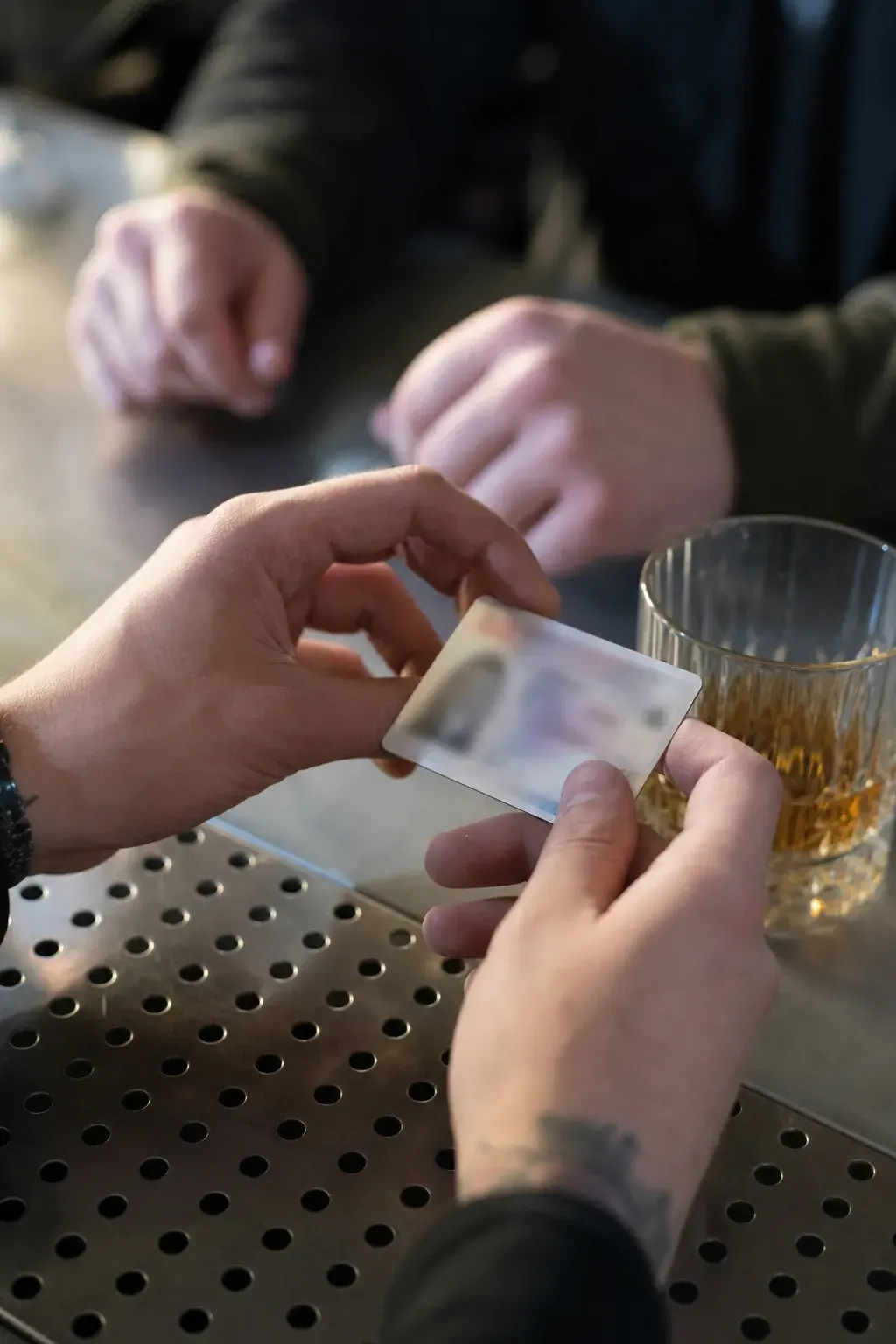
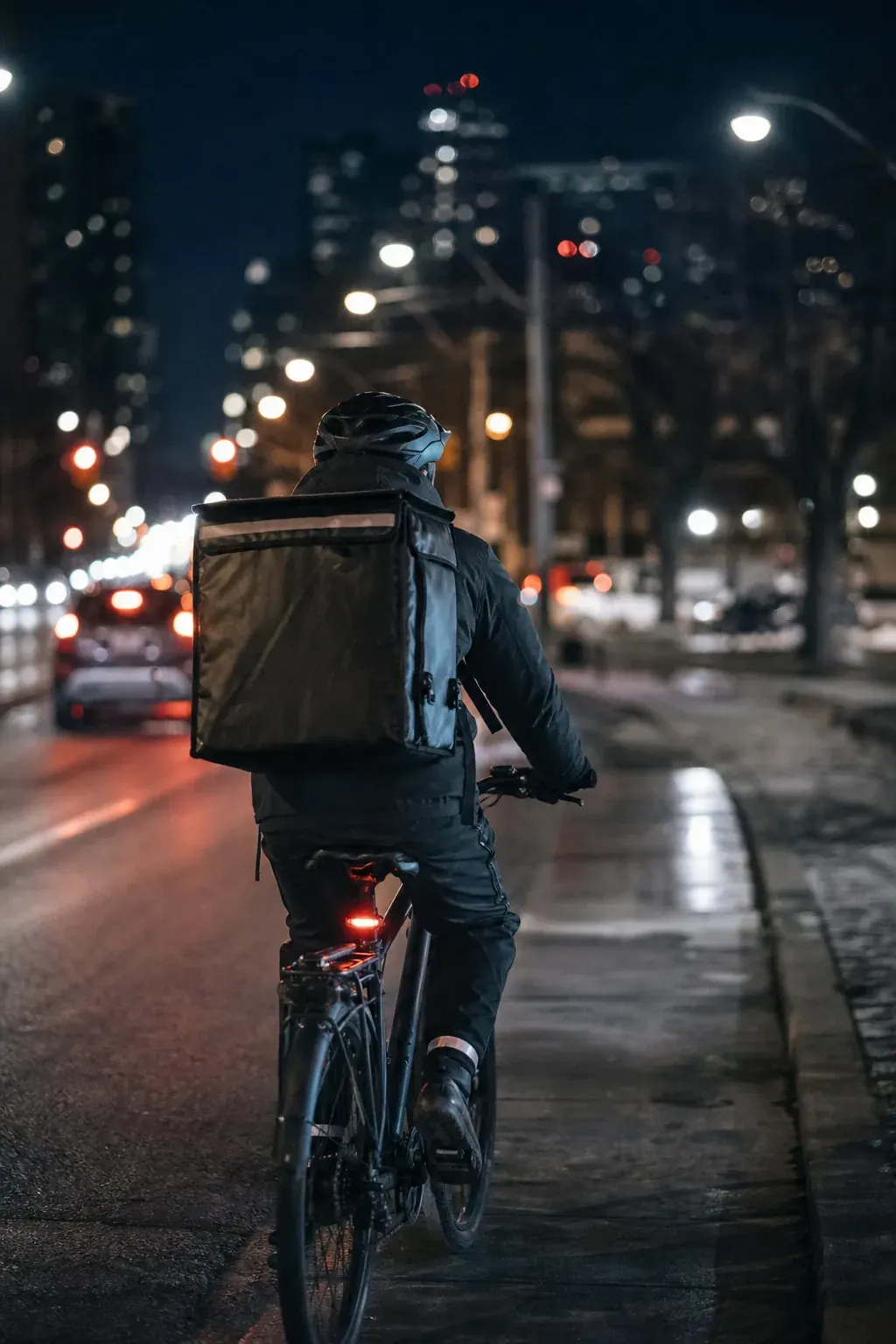
Ontario allows licensed restaurants and bars to sell alcohol with food for takeout and delivery under set conditions. Delivery staff who handle alcohol also need approved training, and staff must check ID at the door. Tell your insurer if you deliver alcohol, including when drivers use their own vehicles.
- Check ID on every alcohol delivery
- Confirm your auto and liability policies cover delivery
- Read our takeout and delivery insurance guide
The trip home
Many serious claims start after the guest leaves. Courts have considered whether staff noticed signs of intoxication, kept serving, and did anything to prevent an impaired guest from driving. A simple process for offering a cab or rideshare, and noting it, helps protect both the guest and the business.
- Offer alternatives to driving and note it
- Stop service early for guests showing signs
- Keep incident logs for at least the limitation period
How much liquor liability coverage do you need?
There is no single legal minimum for most restaurants, but contracts and landlords often set one. As a guide, many restaurants carry $2 million and many bars carry $2 million to $5 million, often with an umbrella policy on top. The cost of adding commercial liquor liability ranges from a few hundred dollars a year for a restaurant with modest wine sales to several thousand for a high volume bar. These are estimates only.
Factors insurers weigh
Underwriters look at how you serve.
- Liquor as a percentage of sales
- Closing time and entertainment
- Capacity and security
- Claims history
Contracts and landlords
Check what others require from you.
- Lease insurance clauses
- Venue and event contracts
- Municipal patio and event permits
- Catering client agreements
Pair it with
Liquor claims can be large, so related coverage matters.
- Umbrella insurance for higher limits
- Assault and battery coverage
- Legal expense insurance
Make sure liquor liability is really on your policy
The wording matters more than the name. Tell us about your restaurant, bar or event business and we will connect you with a licensed Ontario broker who will check whether your current policy includes commercial liquor liability, at what limit, and with what exclusions.
Running a bar? Read our full bar and pub insurance guide.
Connect Now
Liquor Liability Insurance FAQs
Is liquor liability insurance mandatory in Ontario?
There is no general law requiring a specific policy, but licensed businesses face real legal exposure for over service, and landlords, venues and municipalities often require proof of liability insurance that includes liquor liability. In practice, a licensed restaurant or bar should always carry it.
What is the difference between host and commercial liquor liability?
Host liquor liability covers businesses that serve alcohol occasionally without selling it. Commercial liquor liability covers businesses that sell or serve alcohol as part of their revenue, such as restaurants, bars and caterers.
Does liquor liability cover injuries to the intoxicated guest?
It can respond to claims by the guest as well as third parties, depending on the wording and the circumstances. Courts may also find the guest partly responsible. Your broker can explain how your specific policy responds.
Does liquor liability cover fights at my bar?
Not usually. Fights and alleged use of force by staff fall under assault and battery coverage, which is often excluded or limited on hospitality policies and needs to be confirmed separately.
Do caterers need liquor liability?
Yes, if they serve or sell alcohol at events. A caterer's endorsement on a liquor sales licence and event contracts both make proof of liquor liability important. See our catering insurance guide.
Do I need liquor liability for a Special Occasion Permit event?
Venues and municipalities usually require it. Arrange event liability that includes liquor liability before the event and confirm who needs to be named as an additional insured.
What happens after you request commercial insurance?
 1
1Discovery Call
(30 to 45 min)Understand operations, contracts, assets, and loss history.
Get Started Now!
We will request your
expiring policies and loss runs. 2
2Risk Mapping
(1 to 3 days)Document exposures, limits, sublimits, deductibles, and endorsements that fit your contracts.
Get Started Now! 3
3Market Placement
(2 to 5 days)Approach the right markets
Get Started Now!
and negotiate terms, exclusions, and deductibles. 4
4Proposal & Bind
Get Started Now!
Side-by-side options in clear wording, so you can choose with confidence.
Protect your team too
Offer health, dental and life benefits your employees will value.
We also connect Ontario businesses with licensed benefits advisors, from two person teams to growing companies.
 5/5 rating on Google
The Commercial Insurance Difference: Feedback from those referred
Proactive Broker Relationship.
The most noticeable difference was the fact that I no longer felt that I was needed to manage the broker... the brokers came to me with proactive recommendations and knew when to push and shop the market and when not to. When the topic of business insurance comes up, I always refer fellow business owners.
Steve T
Security Blanket For My Business
I was always the type of customer that never believed in insurance and only really got it because I had to. Then I connected with a broker through Commercial Insurance.ca and they asked me questions no one else ever did and that's how I knew something was different. They took the time to understand and evaluate the risks. Well, I ended up getting some extra coverage (legal expense) and thank goodness I did. Something fairly innocent turned into something quite nasty and I didn't have to do too much... my coverage took care of it. Now I look at Insurance as a security blanket for my business.
Michael L
They had my back
No one likes buying insurance because it's a bit of a bet against yourself. You just hope that when the bad things happen that insurance will do what it said it would do in the first place. Their specialist stand behind the policy's that they bind. They never professed to get me the best price, but they did say they have my back, and have my back, they did.
Steph P