
Connect Now
Service & Support:
- Follow-up from a licensed broker within 24 hours
- Policy Review and Comparison
- Risk Assessment
- Help with certificates of insurance, policy changes and contract reviews
- Renewal planning well before your policy expires
Quick answer
Does contractors equipment insurance include liability?
Contractors equipment insurance does not include liability coverage; it protects your own tools, machinery and mobile equipment against theft, fire, vandalism and other insured perils on a job site, in transit or stored in a yard. Injury or damage to others falls under commercial general liability. Policies can include owned, leased, rented or borrowed equipment, and a licensed Ontario broker can structure both coverages together.
Equipment coverage that follows your gear from yard to site
Contractors Equipment Insurance is designed to protect the gear your business runs on, whether it is on a job site, in transit, or stored in your yard. At CommercialInsurance.ca, we connect Ontario contractors with licensed brokers who build coverage that follows their equipment everywhere work takes them, and who stand beside them if a claim needs to be made.

How CommercialInsurance.ca works
We are not an insurer or a broker. We find you the right one.
Matched by industry
We connect you with a broker who works with businesses like yours, not a generic call centre.
Licensed Ontario brokers
Insurance brokers in Ontario are licensed by the Registered Insurance Brokers of Ontario (RIBO).
Fast follow up
Once we receive your information, a professional in our network will connect with you within 24 hours.
No cost to be matched
Our referral service is free for businesses. You deal directly with the broker for quotes and coverage.
What is contractors equipment insurance?
Contractors Equipment Insurance (sometimes called tools and equipment insurance or mobile equipment insurance) covers mobile machinery and tools against theft, damage, and other insured perils while they are in use, in transit, or stored at a job site or yard. Contractors equipment is often one of the largest investments a construction business makes, and it is also among the most exposed, because it is constantly moved between job sites, left on location, and used in demanding conditions.
Typical policies can protect owned, leased, rented, or even borrowed equipment, and they can be tailored to both small trade contractors and large heavy construction firms.
Importance of Contractors Equipment Insurance
Protecting Your Investment
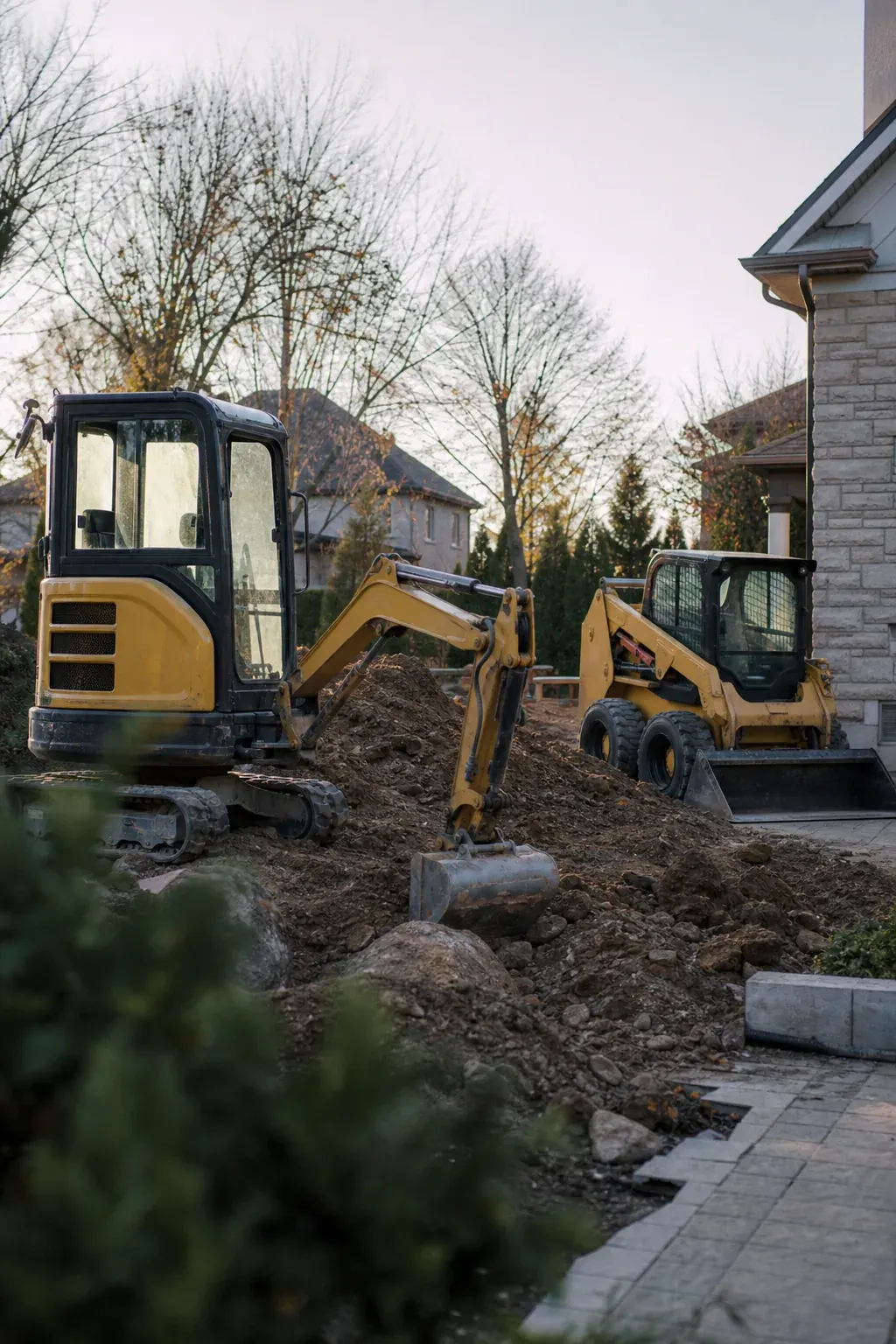
Heavy equipment, specialized tools, and mobile machinery are expensive to buy and costly to replace. A single incident such as theft, rollover, fire, or flood can erase years of reinvestment in your business. Contractors Equipment Insurance helps pay to repair or replace insured items when a covered loss occurs, which protects your capital and your balance sheet.
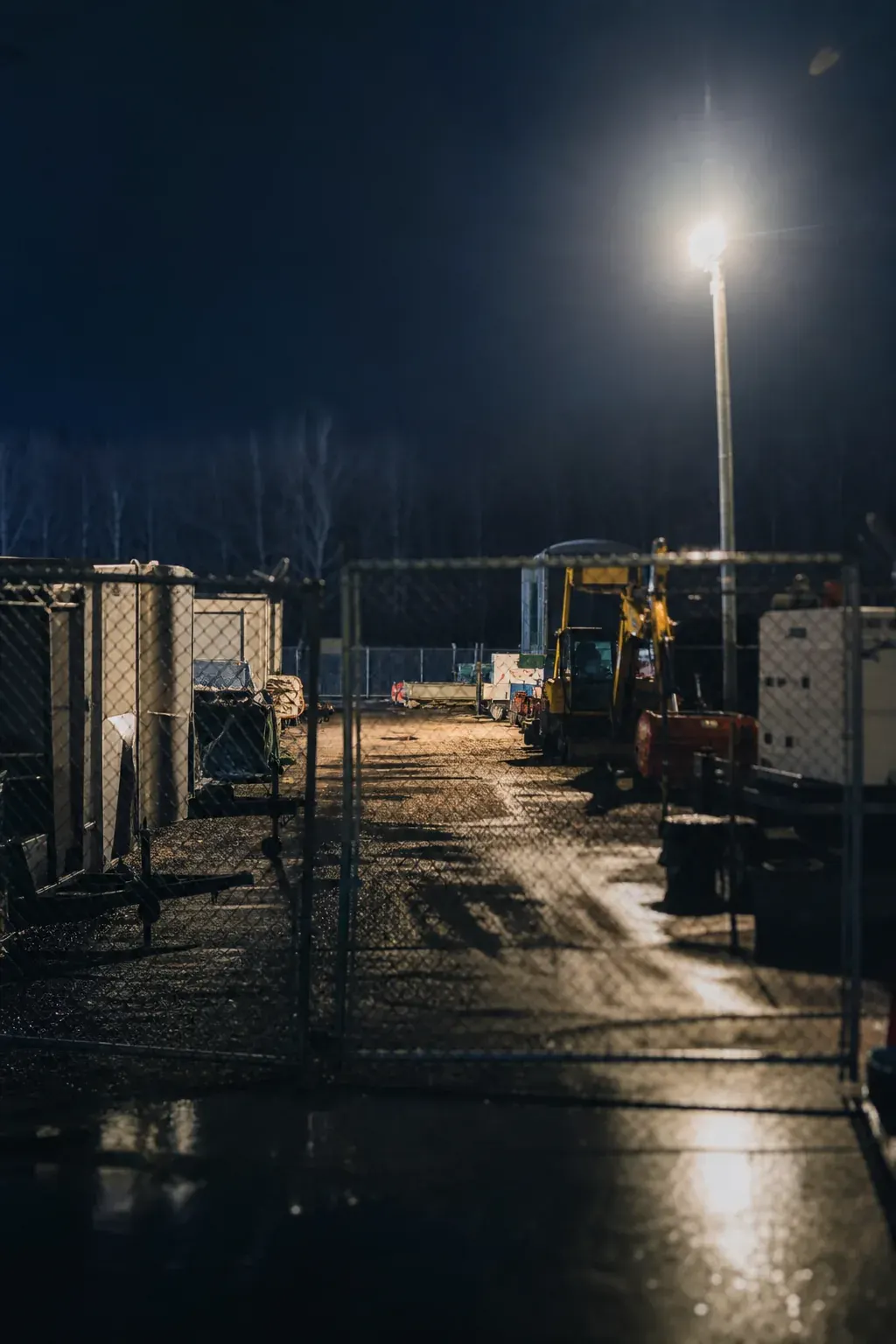
For Ontario contractors who store equipment on job sites, in open yards, or on vehicles overnight, this coverage is especially important, because those locations are frequent targets for theft and vandalism.
Mitigating Risks
The impact of an equipment loss is more than the sticker price of the machine. It can trigger:
Project delays and missed deadlines
Liquidated damages or penalty clauses
Overtime and rush fees to catch up
Lost opportunities when you cannot start new jobs on time
Many contractors equipment insurance policies can be paired with business interruption, extra expense, or rental reimbursement options that help you manage these broader risks by covering the cost to rent replacement equipment and keep your projects moving.
What coverage options should Ontario contractors consider?
Ontario contractors should consider scheduled or blanket equipment coverage, replacement cost valuation, coverage for rented and borrowed equipment, and protection while equipment is in transit.
Contractor Liability Insurance
It is important to understand that contractors equipment insurance protects your own equipment. It does not replace contractor liability insurance.
Contractor liability insurance (usually commercial general liability, or CGL) helps cover legal liability if your operations cause third party bodily injury or property damage. For example, if a piece of equipment accidentally damages a client building or injures a member of the public, liability insurance responds, not the equipment floater.
For most Ontario contractors, a complete insurance program will include both:
Contractors Equipment Insurance, to protect your tools and machinery
Contractor liability insurance or construction liability insurance, to protect you against lawsuits and third party claims
A broker can design these coverages together so they complement each other and meet contract requirements.
Heavy Equipment Insurance
Heavy equipment insurance is a subset of contractors equipment coverage that focuses on large, high value machines such as:
Excavators, loaders, backhoes, and bulldozers
Cranes, lifts, and hoisting equipment
Pavers, graders, and road building equipment
Rock trucks, scrapers, and other off road machinery
These units are expensive, often financed, and critical to your ability to perform work. Many lenders and lessors require proof of heavy equipment insurance as a condition of financing, and project owners may require evidence of coverage before you can mobilize to site.
We help you structure limits, deductibles, and territory (for example, Canada only or Canada and USA) that match how and where you operate.
How are contractors equipment policies structured?
Contractors equipment policies are structured around two main choices: how you list the equipment (scheduled or blanket) and how the insurer values it at claim time (replacement cost or actual cash value). Contractors Equipment Insurance is not all the same, and these two choices shape what a claim pays.
Scheduled vs. Blanket Coverage
Most insurers offer one of three options: scheduled coverage, blanket coverage, or a mix of the two.
Scheduled coverage
You list each significant piece of equipment on a schedule with its description, serial number, and insured value. This works well for high value items such as excavators, skid steers, and cranes. It provides clarity at claim time, but you must keep the schedule updated as you buy or sell equipment.Blanket coverage
You insure groups of similar property, such as all tools and equipment under a certain value, on a blanket limit rather than listing each item. This is useful for numerous smaller items that would be impractical to schedule individually.Combined approach
Many contractors use scheduled coverage for major units and a blanket limit for small tools and accessories. This strikes a balance between precision and practicality.
At CommercialInsurance.ca, we help you decide which approach makes sense based on the size of your fleet, how frequently you add or dispose of units, and how disciplined your equipment tracking is.

Replacement Cost vs. Actual Cash Value
The way your policy values equipment has a major impact on your claim payment.
Replacement Cost (RC)
Replacement cost coverage is designed to pay what it costs to repair or replace damaged equipment with a new unit of similar kind and quality, without a deduction for depreciation, subject to policy terms. Some insurers apply RC for newer equipment up to a certain age, then shift to actual cash value for older items.Actual Cash Value (ACV)
ACV coverage pays the replacement cost minus depreciation. This usually results in a lower claim payment but lower premiums.
Choosing RC or ACV, or a mix of both, affects how much you receive after a loss and how much you pay in premium. We explain these options in simple terms and help you select an approach that aligns with your budget, equipment age profile, and lender expectations.
Get Your FREE Quote
How do you choose the right contractors equipment coverage?
The right contractors equipment coverage starts with an accurate equipment list and realistic values, then matches scheduling, valuation and deductibles to how and where the gear is used.
Assessing Your Equipment Needs
A good Contractors Equipment Insurance program starts with a clear picture of what you own and what you use. We typically help Ontario contractors:
List all significant owned, leased, rented, and borrowed equipment
Separate high value items from smaller tools
Note where equipment is stored and how it is secured
Identify how far equipment travels and whether it crosses provincial or national borders
Flag any units that are on lease or subject to financing conditions
We then compare your inventory and operations to your current policy to identify gaps, underinsurance, and opportunities to improve coverage while managing cost.


Considering Construction Liability Insurance
While this page focuses on protecting the equipment itself, any serious risk management plan also looks at construction liability insurance and broader contractor liability coverage.
Construction liability insurance for Ontario contractors usually includes commercial general liability to cover claims for bodily injury and property damage arising from your work. It may also be supported by builders risk, commercial auto, professional liability, and environmental coverage depending on your trade and project type.
At CommercialInsurance.ca, we look at your equipment coverage and your liability policies together so they form a coordinated program rather than a collection of separate pieces.
Why customers choose CommercialInsurance.ca
There are many places to buy Contractors Equipment Insurance. Ontario contractors choose CommercialInsurance.ca because the brokers in our network focus on real risk, not just quick quotes.
Here is what that looks like:
 1
1Experience that understands contractor risk
We work with trades, general contractors, heavy civil firms, and specialty contractors across Ontario. We understand how equipment is actually used, how losses occur, and how project contracts are written. That experience helps us anticipate risks and suggest coverage that reflects your day to day reality.
Get Started Now! 2
2Coverage that actually covers you
A good broker does not simply tick the contractors equipment box and hope for the best. They read policy wordings, look at exclusions and sublimits, and match them to your equipment list and operations. If you ever have a claim, they go to bat for you and help you present your loss clearly so you can pursue a fair outcome.
Get Started Now! 3
3Market knowledge for today and as you grow
Because brokers in our network work with multiple Canadian insurers that write contractors equipment and heavy equipment insurance, they know who is competitive for your current fleet and who is better suited as you grow, add locations, or expand into different types of work. They design your coverage with your future in mind, not just your current project list.
Get Started Now! 4
4Responsive service with follow-up within 24 hours
When a piece of equipment is down, or you are waiting on a certificate to start a job, delays cost money. A professional in our network will follow up within 24 hours of your request, and moves fast when something is urgent.
Get Started Now!
If you want a partner who takes contractors equipment risk as seriously as you do, CommercialInsurance.ca is ready to help.
Conclusion
Contractors Equipment Insurance is a critical part of protecting your construction business in Ontario. It helps you:
Safeguard the investment you have in tools, machinery, and mobile equipment
Reduce the financial impact of theft, vandalism, fire, and other insured events
Keep projects moving when something goes wrong
Support compliance with lender and project requirements
If you are not sure your current policy would truly protect you if a key machine were stolen or damaged tomorrow, it is time to review your coverage.
Next steps for contractors:
1
Gather your current policies and an equipment list.
2
Think about where and how your equipment is used, stored, and transported.
3
Get connected with a licensed broker through CommercialInsurance.ca to discuss Contractors Equipment Insurance and the liability coverage that should go with it.
We will help you identify gaps, avoid surprises at claim time, and build a coverage plan that matches the way your business really works.

How do scheduled and blanket equipment coverage compare?
Scheduled coverage insures each listed unit for an agreed amount, while blanket coverage sets one overall limit for a class of property such as small tools. Many contractors combine both approaches depending on the size and value of their equipment.
| Feature | Scheduled coverage | Blanket coverage |
|---|---|---|
| How items are listed | Each unit listed with description and serial number | Groups of similar items under one limit |
| Best suited to | High value machines such as excavators and cranes | Numerous small tools and accessories |
| Administration | Schedule must be updated as units change | Less tracking, but the limit must stay adequate |
| Clarity at claim time | High, since values are agreed per unit | Depends on records and proof of ownership |
FAQs About Contractors Equipment Insurance in Ontario
What is Contractors Equipment Insurance?
Contractors Equipment Insurance is a type of commercial coverage that protects the mobile tools, machinery, and equipment used by contractors against risks such as theft, fire, vandalism, collision, and other insured perils. It typically applies while equipment is at a job site, in transit, or stored in a yard, and can cover owned, leased, rented, or borrowed items, depending on the policy.
How is Contractors Equipment Insurance different from standard property insurance?
Standard commercial property insurance is usually designed for fixed locations and building contents. It may not fully cover equipment that is constantly moved between job sites or kept in vehicles and open yards. Contractors Equipment Insurance is specifically designed for mobile equipment and follows it from site to site and while in transit, filling an important gap for construction and trade businesses.
Who needs Contractors Equipment Insurance?
Any Ontario contractor or construction business that depends on tools and machinery should consider this coverage. That includes general contractors, trade contractors, landscapers, road builders, roofers, electricians, plumbers, HVAC companies, and many others. If losing a key machine for even a few days would interrupt your work or strain your cash flow, Contractors Equipment Insurance is relevant to you.
What types of equipment can be covered?
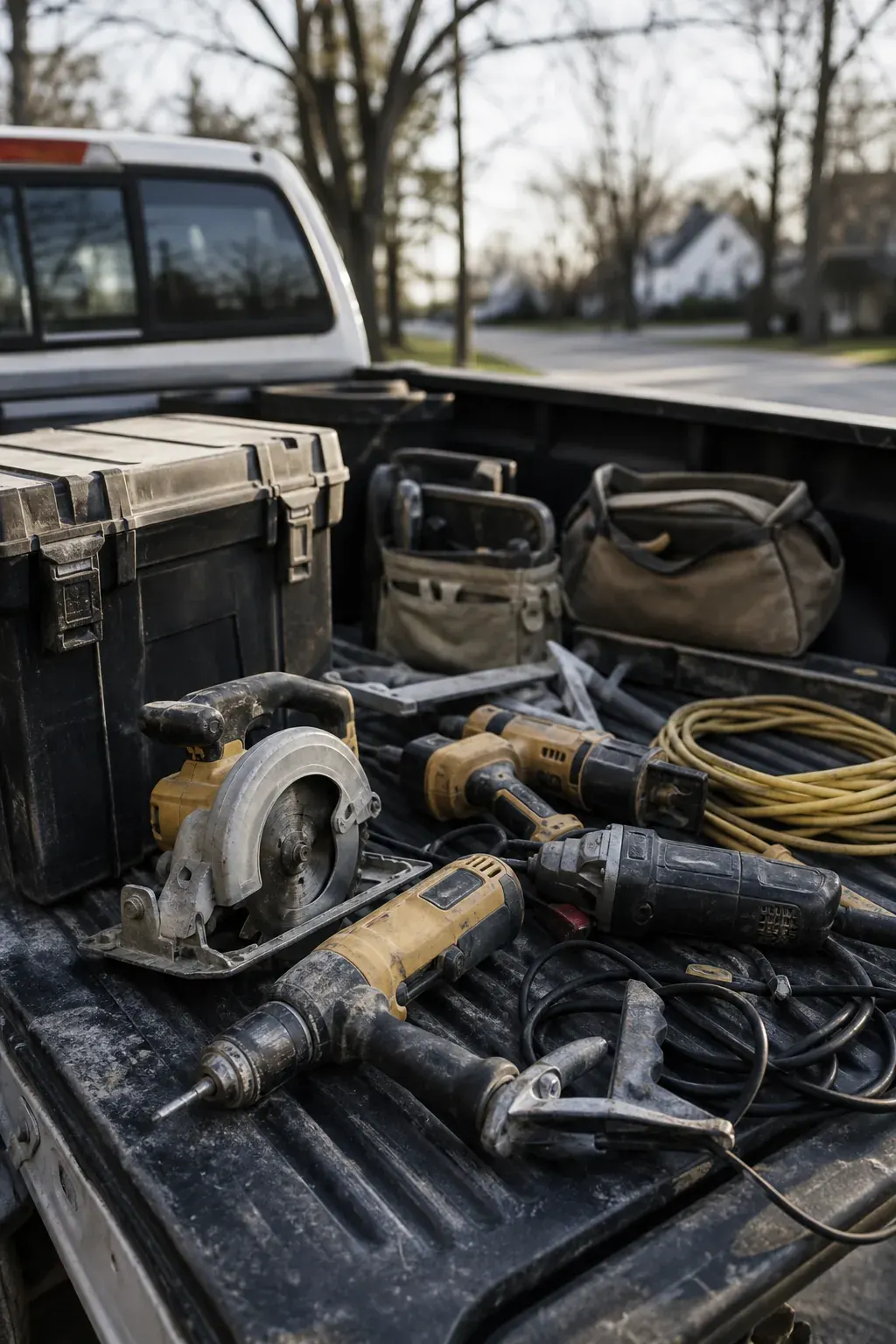
Policies can cover a wide range of equipment, including excavators, skid steers, loaders, cranes, lifts, compressors, generators, compactors, pumps, scaffolding, hand tools, power tools, and more. Coverage can extend to both heavy equipment and smaller tools, as well as items that are owned by you or in your care, custody, or control, such as rented or borrowed equipment, subject to policy terms.
Does Contractors Equipment Insurance include contractor liability insurance?
Contractors Equipment Insurance does not include contractor liability insurance; it protects your equipment, while contractor liability insurance (such as commercial general liability) protects you if your work causes bodily injury or property damage to others. The two cover different risks, so most contractors need both. A complete contractors insurance package usually includes liability coverage, tools and equipment coverage, and other protections such as commercial auto and builders risk, depending on your work.
What does contractors equipment insurance not cover?
Policies typically exclude normal wear and tear, gradual deterioration, and mechanical or electrical breakdown unless it is added by endorsement. Liability for injury or damage to others is not covered, since that belongs under CGL. Unexplained disappearance and theft from unlocked or unsecured locations may also be limited, depending on the policy wording.
What affects the cost of contractors equipment insurance?
Cost is usually driven by the total value of the equipment insured, the type of equipment, where it is stored and how it is secured, and how far it travels. Your claims history, deductible and choice of replacement cost or actual cash value also matter. Security measures such as GPS tracking and fenced yards can help with underwriting.
How are coverage limits and values determined?
Coverage limits are usually based on the total value of your equipment and how you choose to structure coverage. For scheduled items, each unit is insured for an agreed amount. For blanket coverage, you choose an overall limit for a class of property, such as all small tools. You also select how the insurer values the equipment at claim time, such as replacement cost for newer units or actual cash value for older units. A broker can help you set realistic values and avoid underinsurance.
How can CommercialInsurance.ca help with a Contractors Equipment Insurance claim?
CommercialInsurance.ca helps by connecting you with a broker who becomes your first call when you have a loss. They help you understand what your policy covers, report the claim to the insurer, and document the damage, including photos, invoices, and proof of ownership. They stay involved as you work with adjusters and repair vendors, help clarify any questions about policy wording, and advocate for a fair settlement. A good broker does not just place the policy but stands beside you when you need to use it.
Protect your team too
Offer health, dental and life benefits your employees will value.
We also connect Ontario businesses with licensed benefits advisors, from two person teams to growing companies.
 5/5 rating on Google
The Commercial Insurance Difference: Feedback from those referred
Proactive Broker Relationship.
The most noticeable difference was the fact that I no longer felt that I was needed to manage the broker... the brokers came to me with proactive recommendations and knew when to push and shop the market and when not to. When the topic of business insurance comes up, I always refer fellow business owners.
Steve T
Security Blanket For My Business
I was always the type of customer that never believed in insurance and only really got it because I had to. Then I connected with a broker through Commercial Insurance.ca and they asked me questions no one else ever did and that's how I knew something was different. They took the time to understand and evaluate the risks. Well, I ended up getting some extra coverage (legal expense) and thank goodness I did. Something fairly innocent turned into something quite nasty and I didn't have to do too much... my coverage took care of it. Now I look at Insurance as a security blanket for my business.
Michael L
They had my back
No one likes buying insurance because it's a bit of a bet against yourself. You just hope that when the bad things happen that insurance will do what it said it would do in the first place. Their specialist stand behind the policy's that they bind. They never professed to get me the best price, but they did say they have my back, and have my back, they did.
Steph P