

How Much Does Restaurant Insurance Cost in Ontario?
Insurance is one of the few restaurant costs you can shop without cutting quality. Here are estimated 2026 premium ranges for Ontario food and beverage businesses, what moves the price up or down, and how to get a better result from your next renewal.
Connect Now
Service & Support:
- Follow-up from a licensed broker within 24 hours
- Policy Review and Comparison
- Risk Assessment
- Help with certificates of insurance, policy changes and contract reviews
- Renewal planning well before your policy expires
Quick answer
How much does restaurant insurance cost in Ontario?
As a rough guide, many single location Ontario restaurants pay about $3,000 to $8,000 a year for a liability and property package when they serve alcohol, and about $1,000 to $3,500 for small cafes, bakeries and takeout kitchens without alcohol. Bars often pay $4,500 to $12,000 or more. These are estimates; your quote depends on sales, location, cooking, alcohol and claims history.
The short answer
Most Ontario restaurants buy a package that combines commercial general liability, property coverage for equipment, stock and leasehold improvements, and business interruption. Bars and licensed restaurants add liquor liability. The package price depends far more on your specific operation than on the type of food you serve.
The ranges below are estimates for a single location business with a clean claims history, based on typical market pricing. They are not quotes. A licensed broker can give you actual numbers after reviewing your details, and the difference between insurers for the same restaurant can be significant.
Connect NowHow CommercialInsurance.ca works
We are not an insurer or a broker. We find you the right one.
Matched by industry
We connect you with a broker who works with businesses like yours, not a generic call centre.
Licensed Ontario brokers
Insurance brokers in Ontario are licensed by the Registered Insurance Brokers of Ontario (RIBO).
Fast follow up
Once we receive your information, a professional in our network will connect with you within 24 hours.
No cost to be matched
Our referral service is free for businesses. You deal directly with the broker for quotes and coverage.
Estimated annual restaurant insurance costs in Ontario
Estimated annual premiums for a core liability and property package, excluding WSIB, commercial auto and cyber.
| Type of business | Estimated annual premium | What drives the price |
|---|---|---|
| Cafe or coffee shop (no alcohol) | $1,000 to $3,000 | Seating, equipment value, espresso and baking equipment, sales |
| Bakery | $1,200 to $3,500 | Ovens and fire risk, wholesale accounts, product liability |
| Takeout, delivery or ghost kitchen | $1,200 to $3,500 | Deep frying, shared kitchen arrangements, delivery exposure |
| Food truck (excluding auto) | $1,800 to $4,500 | Propane and generators, events, equipment on the truck |
| Caterer | $1,500 to $4,500 | Off site events, alcohol service, food volume, rented equipment |
| Full service restaurant with alcohol | $3,000 to $8,000 | Liquor sales, seating capacity, cooking methods, patio |
| Bar, pub or nightclub | $4,500 to $12,000+ | Liquor share of sales, hours, entertainment, security, claims |
Ranges are estimates only and assume one location, standard limits of about $2 million and no recent claims. Multi location groups, very high sales, deep frying without suppression, or past claims can push premiums well above these ranges.
What drives restaurant insurance premiums?
Underwriters price the chance and size of a claim. These are the factors that move a restaurant quote the most.
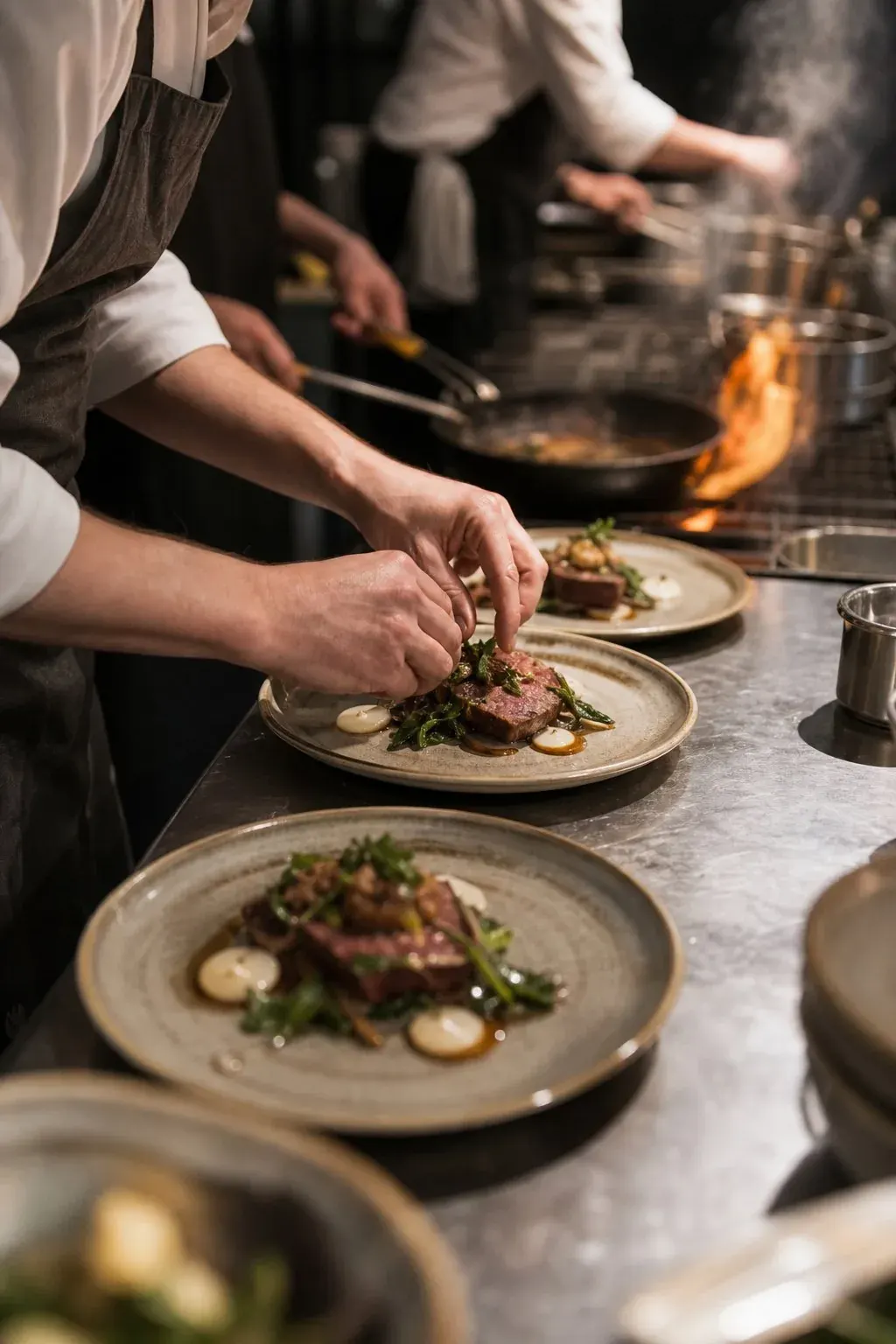
Cooking and fire risk
Kitchen fires are among the largest restaurant losses.
- Deep fryers, woks, charcoal and open flame
- A certified hood suppression system and regular cleaning
- Distance to a fire hall and hydrant
- Building age and sprinklers
Alcohol
Liquor changes the liability picture.
- Liquor as a share of total sales
- Closing time and entertainment
- Smart Serve training and refusal logs
- Patio and event service
Size and values
More to insure means a higher premium.
- Annual sales and seating capacity
- Equipment and leasehold improvement values
- Stock levels, especially wine and spirits
- Business interruption period chosen
Claims and controls
Your history is the best predictor insurers have.
- Claims in the last five years
- Years in business and owner experience
- Monitored fire and burglar alarms
- Food safety inspection results
Limits and deductibles
Your choices change the price.
- $2 million versus $5 million liability
- Umbrella coverage
- Higher deductibles lower premiums
- Optional add ons like cyber and spoilage
Separate costs to budget for
These are usually priced on their own.
- WSIB, based on payroll and rate group
- Commercial auto for catering or delivery vehicles
- Cyber for POS and online ordering
- Employment practices liability
How to lower your restaurant insurance cost without losing coverage
Show underwriters a well run kitchen
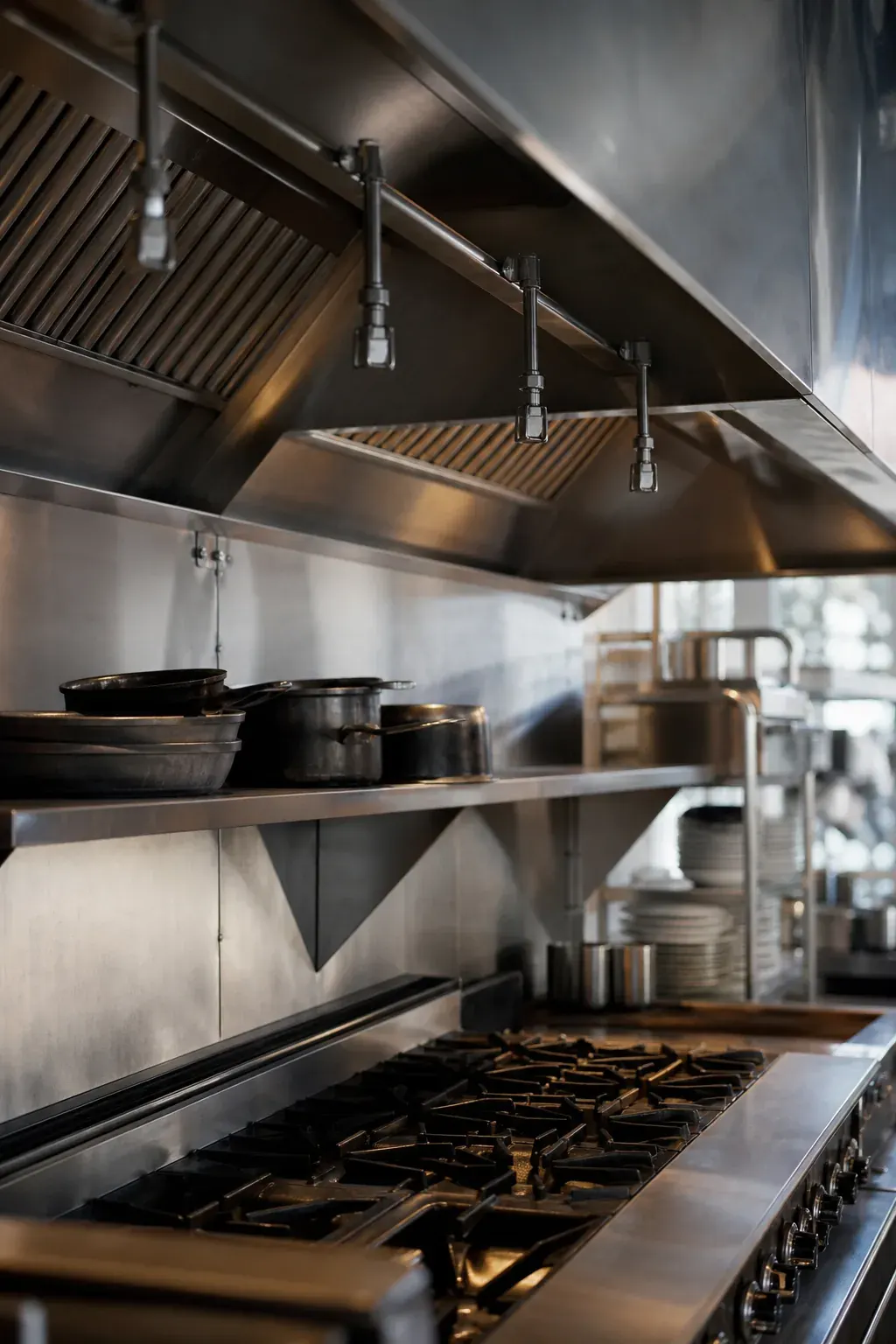
Insurers reward documented risk controls. Keep your hood suppression service tags current, schedule duct cleaning, and send photos of your kitchen and safety equipment with your application.
- Certified suppression system with current service tags
- Documented hood and duct cleaning
- K class extinguishers near the line
Protect your stock and equipment
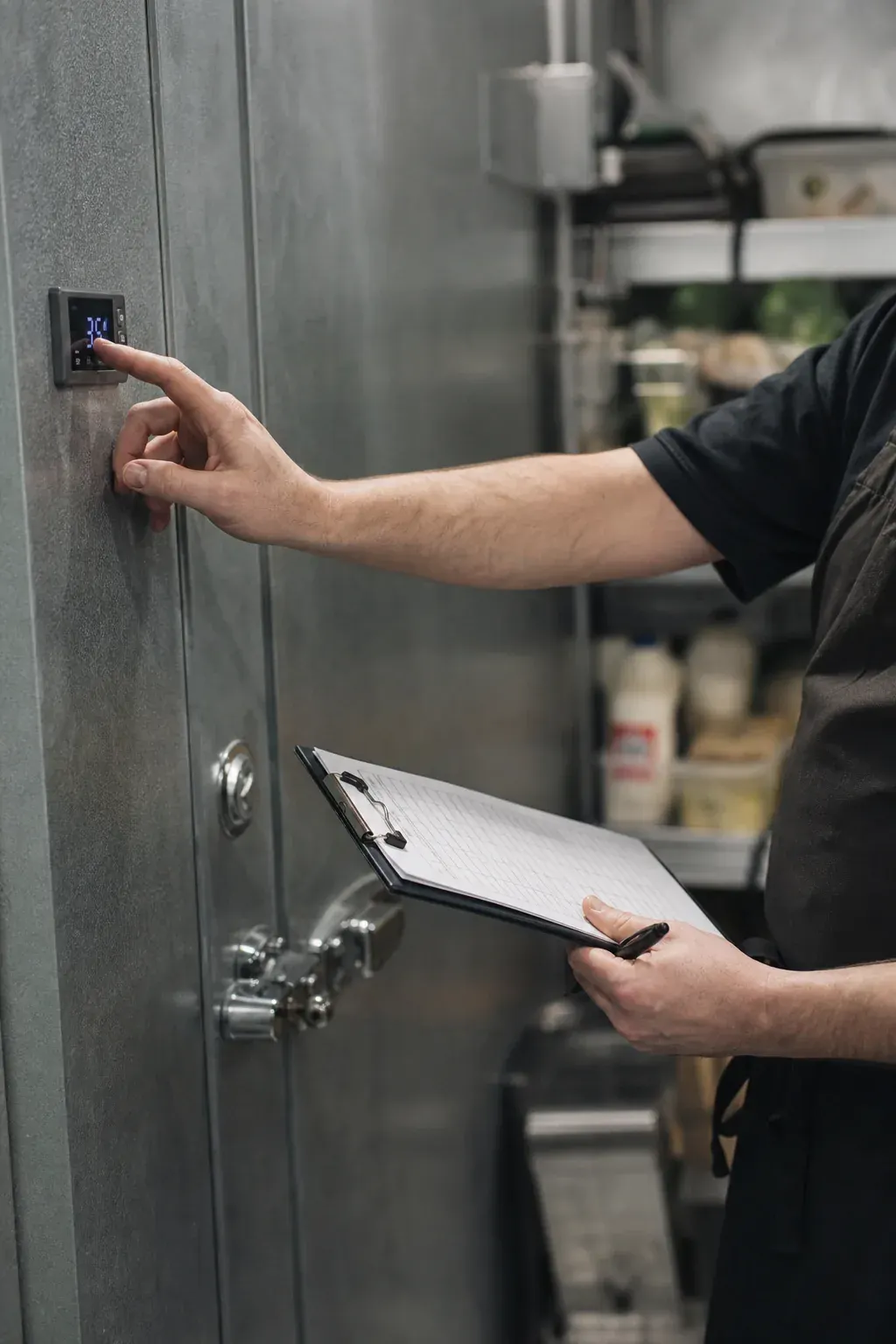
Spoilage claims are common and preventable. Temperature alarms on coolers, maintenance contracts on refrigeration and a daily temperature log reduce both the chance of a loss and the questions at claim time.
- Cooler and freezer temperature alarms
- Refrigeration maintenance contract
- Daily temperature logs
Shop the market properly at renewal
Prices for the same restaurant can vary widely between insurers. A broker who places restaurants regularly can take your details to several markets, compare wording side by side and show you where cheaper options cut coverage you actually need.
- Start 60 to 90 days before renewal
- Compare wording, not just price
- Check liquor, assault and spoilage limits
Get real numbers for your restaurant
Estimates only go so far. Tell us about your restaurant, cafe, bar or food business and we will connect you with a licensed Ontario broker who will quote your actual operation with insurers that write hospitality risks. The referral is free.
Want to understand coverage first? Read our restaurant insurance guide.
Connect Now
Restaurant Insurance Cost FAQs
What is the average cost of restaurant insurance in Ontario?
There is no single average that fits every restaurant. As a guide, a single location full service restaurant that serves alcohol often pays about $3,000 to $8,000 a year for its liability and property package, while small cafes and takeout kitchens without alcohol often pay about $1,000 to $3,500. These are estimates, not quotes.
Why is my restaurant insurance so expensive?
The most common reasons are deep frying or open flame cooking, a high share of alcohol sales, late hours, past claims, high equipment and stock values, or an older building. A broker can show you which factors are driving your price and which ones you can improve.
Is WSIB included in my restaurant insurance?
No. WSIB is a separate, mandatory program for most Ontario restaurants with workers. Premiums are based on your payroll and industry rate group and are paid to WSIB, not to your insurer.
Does serving alcohol increase my premium?
Yes. Adding liquor liability and the higher liability risk that comes with alcohol service raises the price. The increase depends mainly on how much of your revenue comes from liquor, your hours and your claims history.
Can I pay restaurant insurance monthly?
Many insurers and brokers offer monthly payment plans, sometimes with a small finance charge. Ask about payment options when you compare quotes.
How can a new restaurant get a better price?
Show the owner's industry experience, a certified hood suppression system, alarms, food safety training and a clear business plan. New restaurants without a claims history are priced on these signals.
How often should I shop my restaurant insurance?
Review it every year at renewal and any time your operation changes, such as adding a patio, alcohol, delivery or a second location. A full market review every two to three years is a good habit.
What happens after you request commercial insurance?
 1
1Discovery Call
(30 to 45 min)Understand operations, contracts, assets, and loss history.
Get Started Now!
We will request your
expiring policies and loss runs. 2
2Risk Mapping
(1 to 3 days)Document exposures, limits, sublimits, deductibles, and endorsements that fit your contracts.
Get Started Now! 3
3Market Placement
(2 to 5 days)Approach the right markets
Get Started Now!
and negotiate terms, exclusions, and deductibles. 4
4Proposal & Bind
Get Started Now!
Side-by-side options in clear wording, so you can choose with confidence.
Protect your team too
Offer health, dental and life benefits your employees will value.
We also connect Ontario businesses with licensed benefits advisors, from two person teams to growing companies.
 5/5 rating on Google
The Commercial Insurance Difference: Feedback from those referred
Proactive Broker Relationship.
The most noticeable difference was the fact that I no longer felt that I was needed to manage the broker... the brokers came to me with proactive recommendations and knew when to push and shop the market and when not to. When the topic of business insurance comes up, I always refer fellow business owners.
Steve T
Security Blanket For My Business
I was always the type of customer that never believed in insurance and only really got it because I had to. Then I connected with a broker through Commercial Insurance.ca and they asked me questions no one else ever did and that's how I knew something was different. They took the time to understand and evaluate the risks. Well, I ended up getting some extra coverage (legal expense) and thank goodness I did. Something fairly innocent turned into something quite nasty and I didn't have to do too much... my coverage took care of it. Now I look at Insurance as a security blanket for my business.
Michael L
They had my back
No one likes buying insurance because it's a bit of a bet against yourself. You just hope that when the bad things happen that insurance will do what it said it would do in the first place. Their specialist stand behind the policy's that they bind. They never professed to get me the best price, but they did say they have my back, and have my back, they did.
Steph P