
Catering Insurance in Ontario
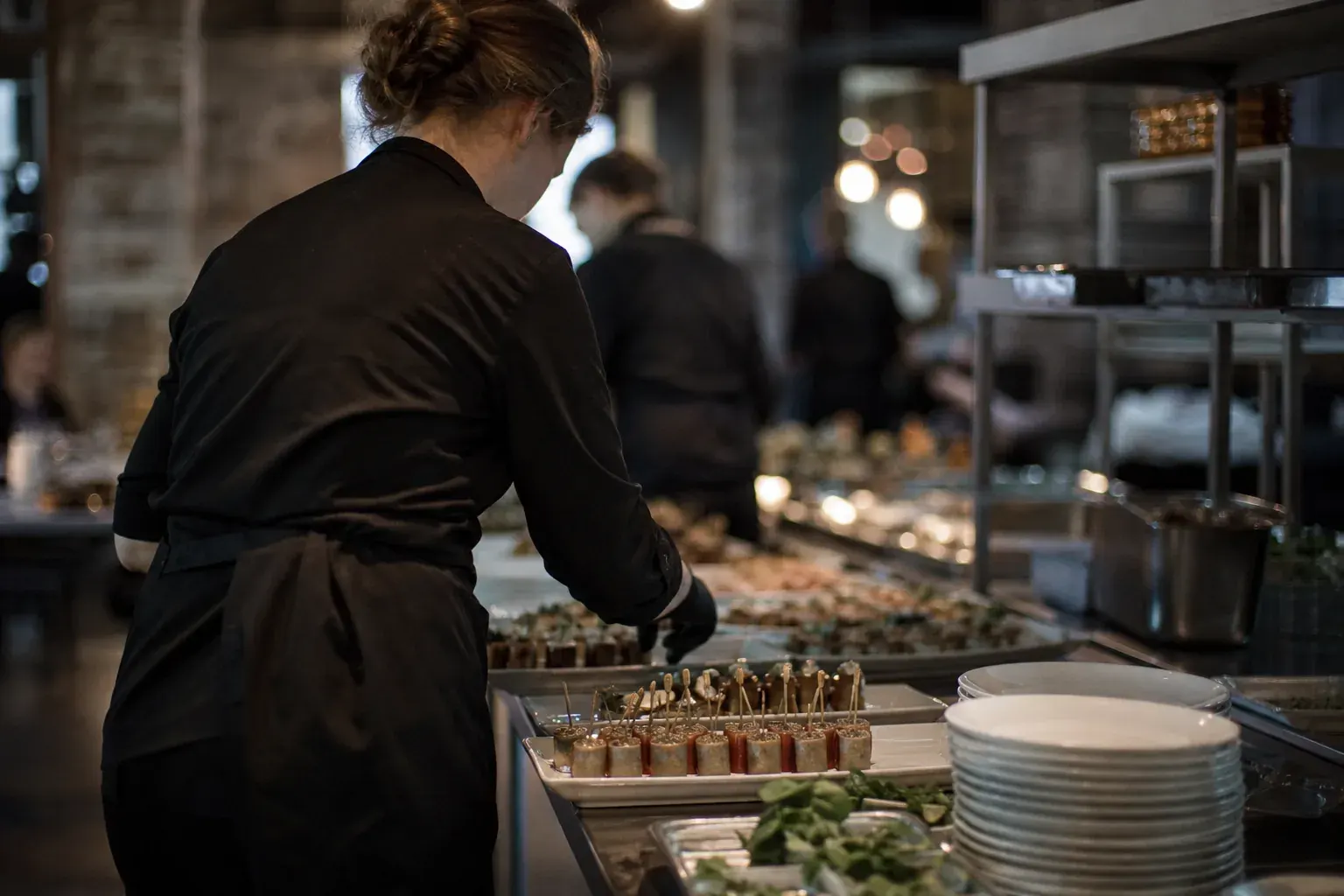
Caterers work in someone else's space, on someone else's schedule, with food prepared somewhere else. That creates risks a restaurant never sees. We connect Ontario caterers with licensed brokers who understand event work and can keep up with your certificate requests.
Connect Now
Service & Support:
- Follow-up from a licensed broker within 24 hours
- Policy Review and Comparison
- Risk Assessment
- Help with certificates of insurance, policy changes and contract reviews
- Renewal planning well before your policy expires
Quick answer
What insurance does a catering business need in Ontario?
Ontario caterers typically need commercial general liability that covers work at client venues, products coverage for the food they serve, liquor liability if they serve alcohol, equipment coverage that follows gear in transit and at events, commercial auto for catering vehicles, and quick additional insured certificates for venues. WSIB applies if you have workers.
Why catering needs its own program
A caterer's risk moves with the job. Food is prepared in a commercial kitchen, driven across town, set up in a venue you do not control and served to guests who may be drinking. A claim can come from any step: a guest who gets sick, a burn from a chafing dish, a scuffed venue floor or a van collision.
Venues and clients almost always ask for proof of insurance and want to be named as an additional insured. A good catering program makes those certificates routine and makes sure the policy actually covers off site work and alcohol service.
Connect NowHow CommercialInsurance.ca works
We are not an insurer or a broker. We find you the right one.
Matched by industry
We connect you with a broker who works with businesses like yours, not a generic call centre.
Licensed Ontario brokers
Insurance brokers in Ontario are licensed by the Registered Insurance Brokers of Ontario (RIBO).
Fast follow up
Once we receive your information, a professional in our network will connect with you within 24 hours.
No cost to be matched
Our referral service is free for businesses. You deal directly with the broker for quotes and coverage.
What coverage does a caterer need?
These are the building blocks of most catering programs.
General liability at client venues
Your CGL should cover your operations at venues, homes and outdoor sites, including injuries to guests and damage to the venue. Products and completed operations coverage protects you when a guest claims your food made them sick after the event.
- Covers work at any venue, not just your kitchen
- Products coverage for food served
- Additional insured certificates for venues

Liquor liability
If you serve or sell alcohol, you need commercial liquor liability. Caterers serving liquor usually hold a liquor sales licence with a caterer's endorsement, and every server needs approved training such as Smart Serve.
- Required when you serve alcohol at events
- Confirm limits venues require
- See our liquor liability guide

Equipment and property in transit
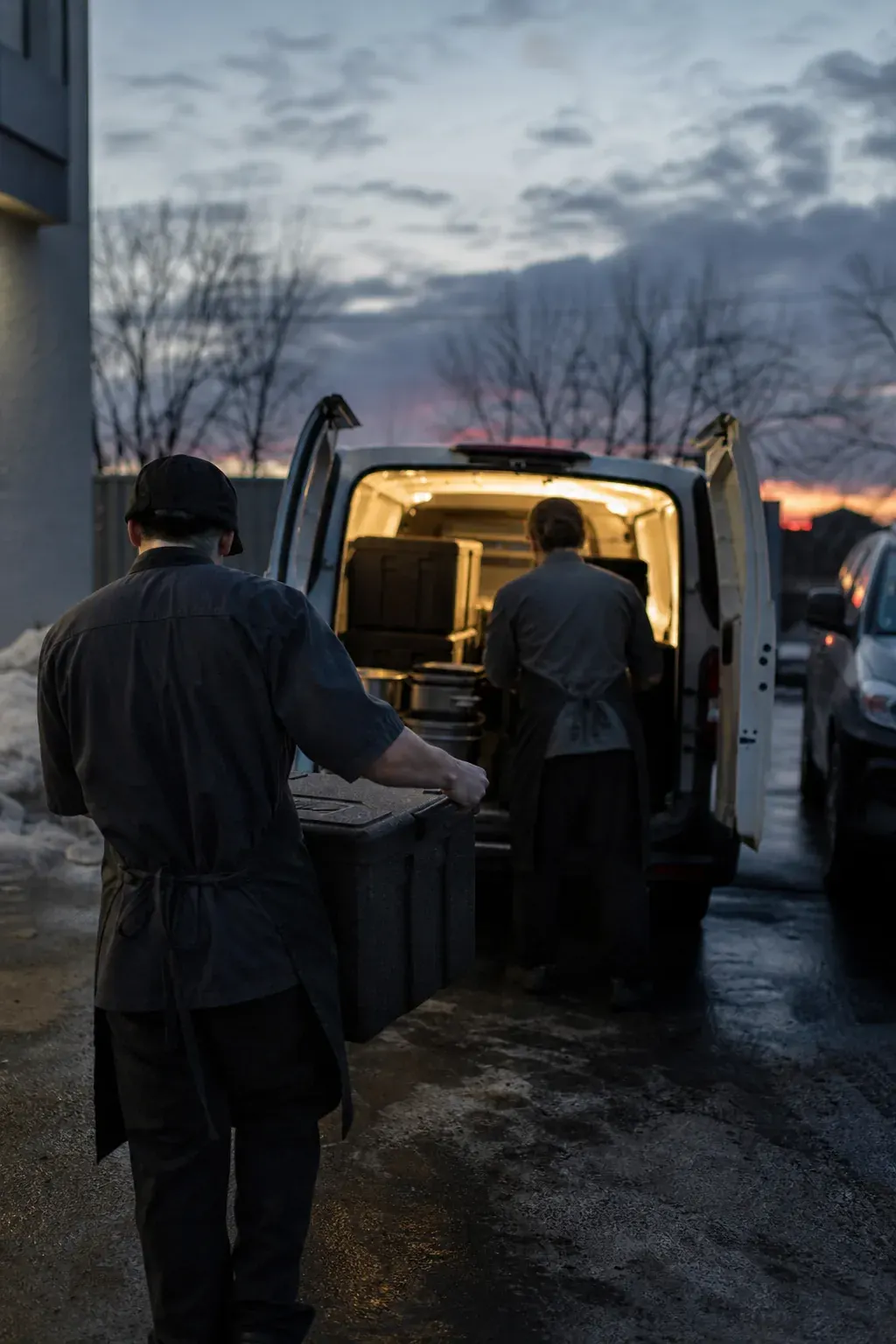
Chafing dishes, warmers, linens, portable bars and serving equipment spend their lives on the road and in other people's buildings. Coverage should follow them anywhere, including in the van and at the venue overnight.
- Equipment away from your premises
- Rented equipment you are responsible for
- Food stock and spoilage
Commercial auto and non owned auto
Catering vans need commercial auto insurance. If staff use their own cars to deliver food or run to a venue, non owned auto liability protects your business if they cause a collision while working for you.
- Commercial auto for catering vehicles
- Non owned auto for staff vehicles
- Cargo coverage for food and equipment
Catering risks worth planning for
Weddings and private events
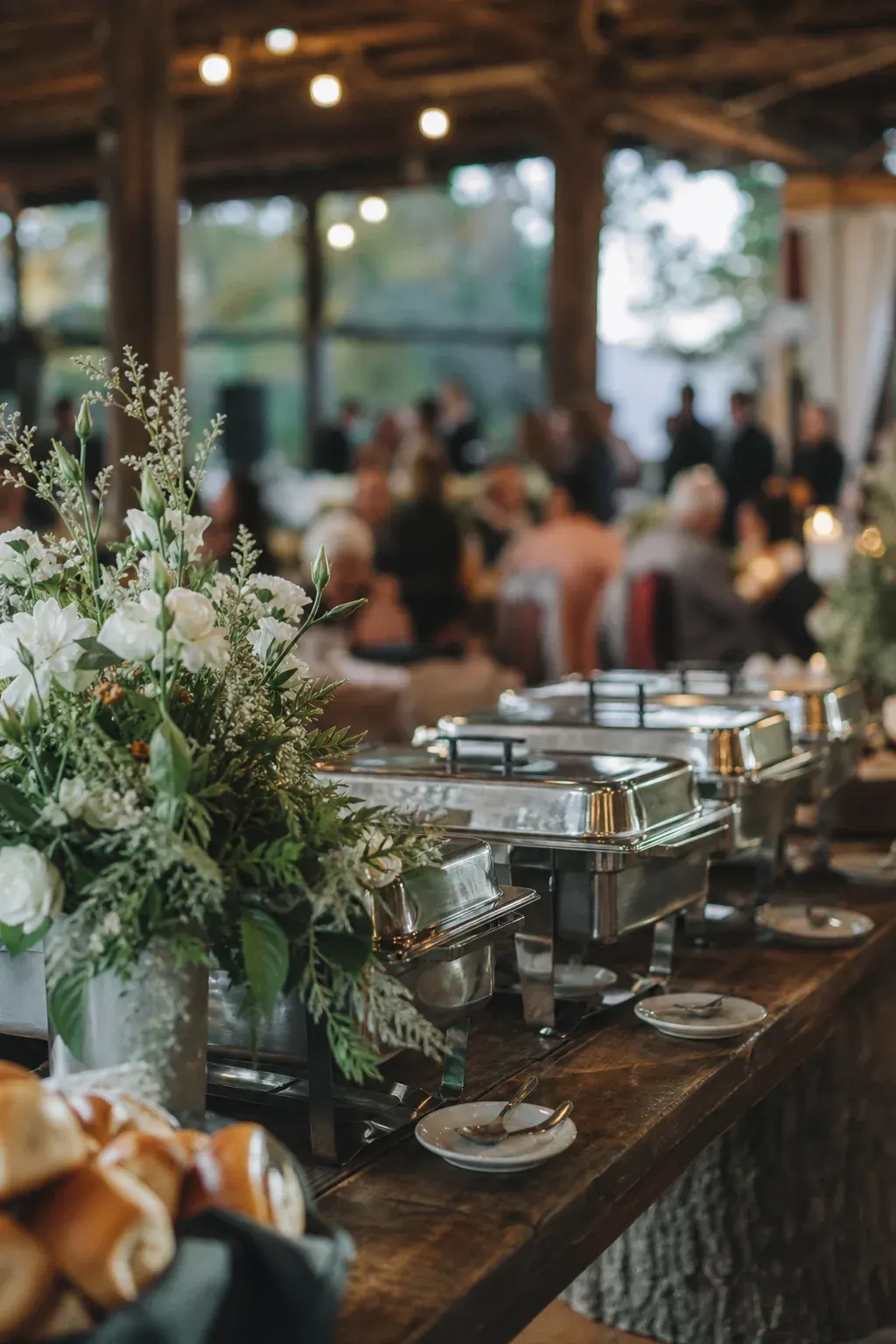
Weddings combine large guest counts, alcohol, rented venues and high expectations. Get the venue's insurance requirements in writing early, and confirm whether your policy covers tents, generators and outdoor cooking.
- Request venue requirements when you book
- Clarify who supplies and serves alcohol
- Disclose outdoor cooking and tents
Food safety across locations
Food moves between your kitchen, the van and the venue. Temperature control, labelling for allergens and a certified food handler on every shift reduce the chance of an illness claim and help defend one.
- Hot and cold holding logs
- Allergen labelling on every tray
- Certified food handlers on each event
What does catering insurance cost?
As a general guide, many Ontario caterers see roughly $1,500 to $4,500 a year for liability, equipment and stock coverage, with liquor liability and commercial auto adding to that depending on your events and vehicles. These are estimates only. See our cost guide.
Raises the price
- Serving alcohol
- Large weddings and festivals
- Outdoor cooking and tents
- Several vehicles
Helps lower it
- Strong food safety records
- Trained, certified staff
- Clean driving records
- Claim free history
Also consider
- WSIB for staff
- Event insurance for your own events
- Cyber for online bookings
Say yes to the next venue request
Tell us about your catering business and we will connect you with a licensed Ontario broker who will build a program that covers off site work, alcohol and your vehicles, and who can turn around certificates quickly.
Running a restaurant too? See our restaurant insurance guide.
Connect NowCatering Insurance FAQs
Why do venues ask caterers for a certificate of insurance?
Venues want proof that you carry liability insurance and often want to be named as an additional insured so they are protected if a guest is hurt or the venue is damaged during your event.
Does catering insurance cover food poisoning claims?
Products and completed operations coverage, part of most CGL policies, responds to claims that food you served caused illness. Confirm it is included on your policy.
Do I need liquor liability as a caterer?
Yes, if you serve or sell alcohol. You will usually need a liquor sales licence with a caterer's endorsement, trained servers and commercial liquor liability on your policy.
Are my staff's cars covered when they deliver food?
Their personal auto policy may not cover business use, and it does not protect your business. Non owned auto liability protects you if a staff member causes a collision while working.
Does my equipment have coverage at the venue?
Only if your property coverage extends off premises. Ask for equipment coverage that follows your gear in transit and at venues.
How much does catering insurance cost?
Many caterers see roughly $1,500 to $4,500 a year for liability, equipment and stock coverage, plus liquor liability and auto where needed. These are estimates only.
What happens after you request commercial insurance?
 1
1Discovery Call
(30 to 45 min)Understand operations, contracts, assets, and loss history.
Get Started Now!
We will request your
expiring policies and loss runs. 2
2Risk Mapping
(1 to 3 days)Document exposures, limits, sublimits, deductibles, and endorsements that fit your contracts.
Get Started Now! 3
3Market Placement
(2 to 5 days)Approach the right markets
Get Started Now!
and negotiate terms, exclusions, and deductibles. 4
4Proposal & Bind
Get Started Now!
Side-by-side options in clear wording, so you can choose with confidence.
Protect your team too
Offer health, dental and life benefits your employees will value.
We also connect Ontario businesses with licensed benefits advisors, from two person teams to growing companies.
 5/5 rating on Google
The Commercial Insurance Difference: Feedback from those referred
Proactive Broker Relationship.
The most noticeable difference was the fact that I no longer felt that I was needed to manage the broker... the brokers came to me with proactive recommendations and knew when to push and shop the market and when not to. When the topic of business insurance comes up, I always refer fellow business owners.
Steve T
Security Blanket For My Business
I was always the type of customer that never believed in insurance and only really got it because I had to. Then I connected with a broker through Commercial Insurance.ca and they asked me questions no one else ever did and that's how I knew something was different. They took the time to understand and evaluate the risks. Well, I ended up getting some extra coverage (legal expense) and thank goodness I did. Something fairly innocent turned into something quite nasty and I didn't have to do too much... my coverage took care of it. Now I look at Insurance as a security blanket for my business.
Michael L
They had my back
No one likes buying insurance because it's a bit of a bet against yourself. You just hope that when the bad things happen that insurance will do what it said it would do in the first place. Their specialist stand behind the policy's that they bind. They never professed to get me the best price, but they did say they have my back, and have my back, they did.
Steph P