
We are here to Help:
1-416-510-5775





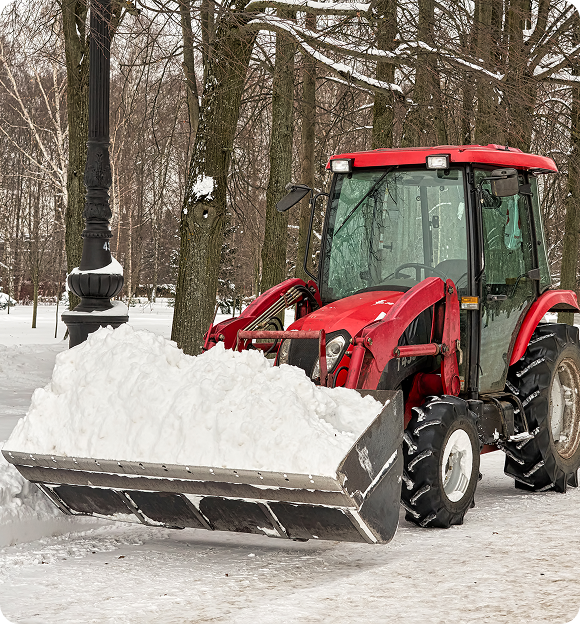
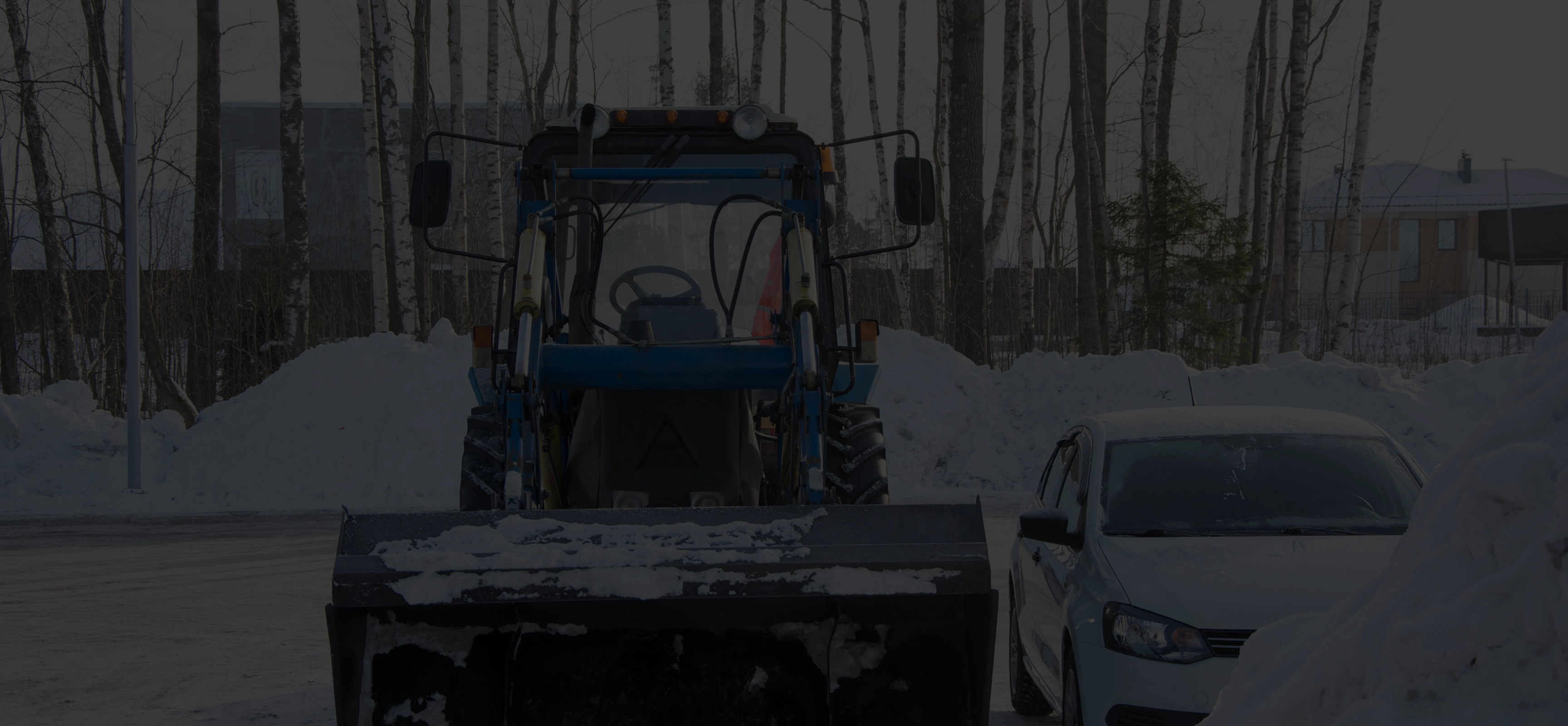
Snow removal insurance is a tailored business insurance package built for contractors who plow, shovel, blow, salt, or otherwise maintain winter conditions on residential, commercial, or public properties. ThinkInsure describes snow removal insurance as a policy designed for winter property maintenance businesses because snow and ice create risky situations and potential liabilities.
A typical snow removal insurance program can combine multiple coverages, such as commercial general liability, commercial auto, tools and equipment, and optional additions depending on your contracts and the type of properties you service.
Snow work is high frequency, time-sensitive work done in poor visibility and slippery conditions. Zensurance notes the industry is high risk because of slip and fall accidents, collisions, dangerous weather conditions, damage to third-party property, and lawsuits.
Proper snow plowing insurance helps you:
Protect your cash flow when a claim happens

Meet requirements from property managers, condo corporations, municipalities, and commercial clients
Keep your company eligible for bigger contracts that require proof of insurance and specific limits

Commercial General Liability (CGL) is the backbone of most snow removal insurance programs. CGL typically responds to third-party bodily injury and third-party property damage claims arising from your operations. Zensurance gives an example where a third party slips on ice on a property you are responsible for clearing and you may be sued, with CGL helping cover medical and legal expenses (subject to policy terms).
Common CGL claim scenarios for snow contractors include:

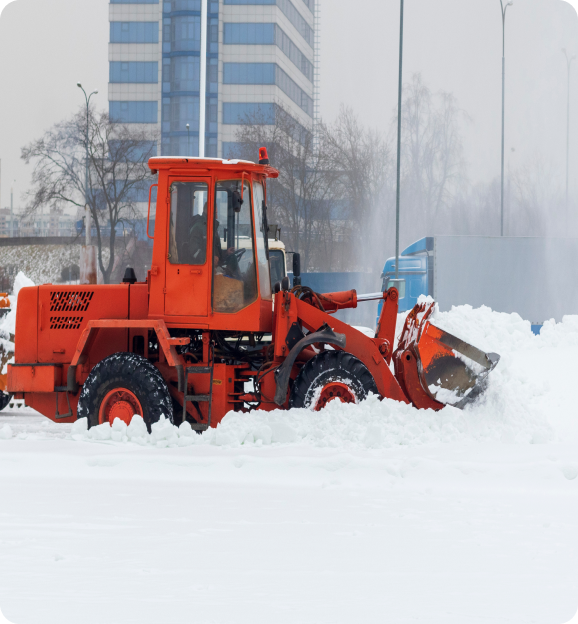
Snow removal is vehicle-driven. If you operate trucks with plows, salters, or skid steers, you need a program that properly addresses both liability and physical damage exposures.
Commercial auto insurance is vital for snow contractors driving plows and other business vehicles. Zensurance highlights commercial auto for snow removal contractors and notes it covers damage and injuries if you are involved in a collision.
Key vehicle-related coverages to discuss:
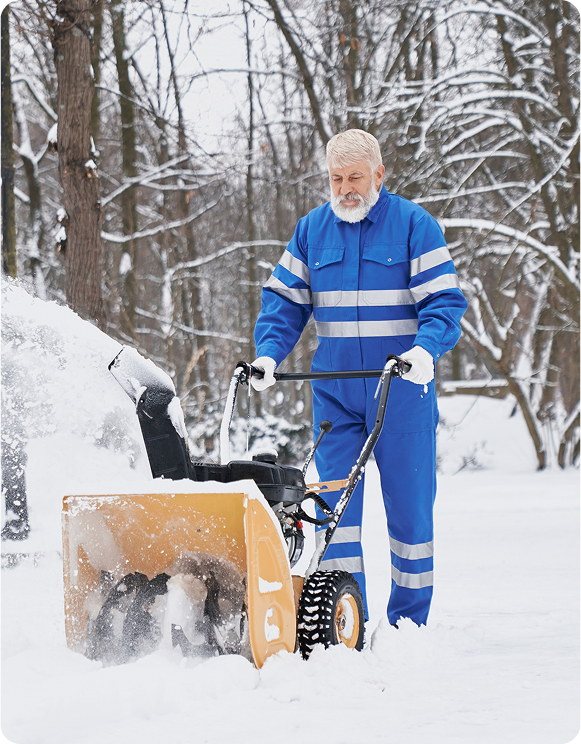
Tools and equipment coverage can protect snow blowers, shovels, snow pushers, portable spreaders, and other gear if it is stolen or damaged.

If you have workers, WSIB and workplace safety obligations matter.
WSIB states that coverage is not mandatory for every business in Ontario and that the government decides which industries and employees must have WSIB coverage. WSIB also notes that owners are generally not covered except for most construction businesses.
For snow removal companies, WSIB requirements can depend on your classification, your staffing model, and the type of work performed. Many commercial contracts also require WSIB clearance. This is a topic we help clients navigate so they are not surprised mid-season.
The right snow plowing insurance in Ontario depends on what you do and where you do it.
Key factors include:


Also consider whether your CGL has any exclusions related to snow plowing operations and whether endorsements are required to properly address your exposure.
Snow removal is a specialized market, and not every insurer wants this risk. Aligned Insurance notes that snow removal risks are not easy to place and that the market for coverage can be limited due to high frequency of slip and fall incidents.
Working with a broker who understands snow removal helps you:



To quote snow removal insurance in Ontario, be ready to share your services (plowing, shoveling, salting), contract types (residential vs commercial), revenue, years in business, claims history, and a list of vehicles and equipment. ThinkInsure outlines that policies can be customized and that pricing depends on company size and scope.
Common snow removal claims include slip and fall allegations, property damage from plows and equipment, and vehicle collisions in poor weather conditions. Zensurance lists slip and falls, collisions, dangerous weather, and third-party lawsuits as core risks for snow contractors.
Priorities are safety and documentation:
Strong documentation is especially important in snow work because conditions can change quickly after you leave.
Yes, if you are using the vehicle for business. Ontario requires auto insurance for registered vehicles, and FSRA states all motorists are legally required to have auto insurance.
You also need to ensure your insurer knows the vehicle is used for snow plowing and that the correct business use is reflected on the policy.
Many commercial clients and municipalities require $2,000,000 in liability coverage. As one example, the City of Ottawa’s insurance checklist references minimum limits of not less than $2,000,000 for motor vehicle liability for licensed snow plow vehicles and not less than $2,000,000 for CGL for certain unlicensed vehicles and equipment, plus specific certificate wording such as additional insured.
Your exact needs depend on your contracts, properties serviced, and risk profile.
Bill 118 amended Ontario’s Occupiers’ Liability Act so that no action for personal injury caused by snow or ice can be brought against an occupier or an independent contractor employed to remove snow or ice unless written notice is served within 60 days, with exceptions outlined in the legislation.
This is not legal advice, but from an insurance perspective it is a reminder that the liability environment is specific, and you still need strong contracts, strong documentation, and proper liability coverage.


The most noticeable difference between the team at CommercialInsurance.ca and everyone else was the fact that I no longer felt that I was needed to manage the broker... the brokers came to me with proactive recommendations and knew when to push and shop the market and when not to. When the topic of business insurance comes up, I always refer fellow buinsess owners to commercialinsurance.ca.



"I was always the type of custom that never beleived in insurance and only really got it because I had to. Then I met the people at CommcercialInsurance.ca and they asked me questions no one else every did and that's how I knew something was different. They took the time to understand and evaluate the risks. Well, I ended up getting some extra coverage (legal expense) and thank goodness I did. Something fairly innocent turned into something quite nasty and I didn't have to do too much... my coverage took care of it. Nows I look at Insurance as a security blanket for my business."

No one likes buying insurance because it's a bit of a bet against yourself. You just hope that when the bad things happen that insurance will do what it said it would do in the first place. That's what'ts great about the experience is over here. They stand behind the policy's that they bind. They never professed to get me the best price, but they did say they have my back, and have my back, they did.