

We are here to Help:
1-416-510-5775




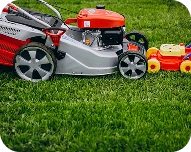
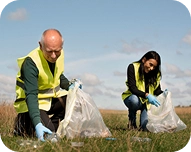
Landscaper insurance (often called landscaping insurance or insurance for landscapers) is built for property maintenance and landscaping contractors. It is designed to cover common claims like third party bodily injury and property damage, plus tools and equipment losses and other exposures depending on the policy.
Even if your work feels lower risk than other trades, one incident can still be expensive. Ontario sources note that landscaping insurance is not legally required, but it is strongly recommended, and proof of insurance can help you qualify for larger contracts.
A well-built landscaper insurance package may include:
.svg)


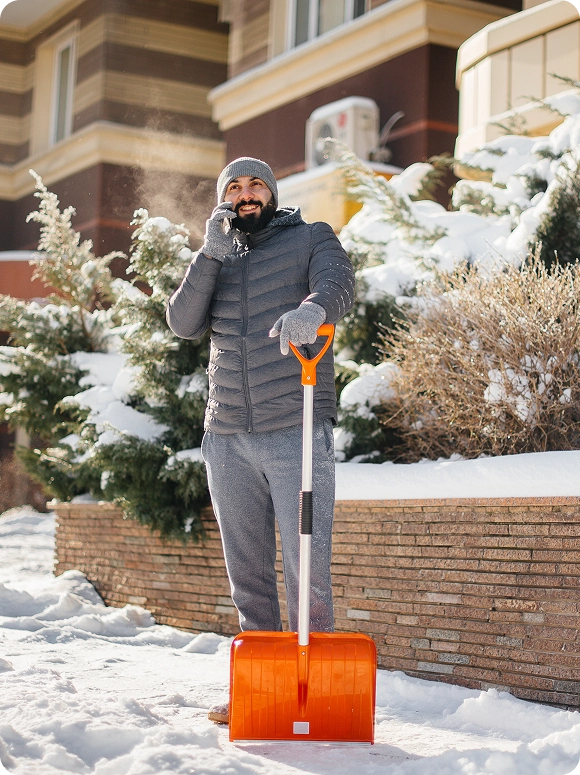
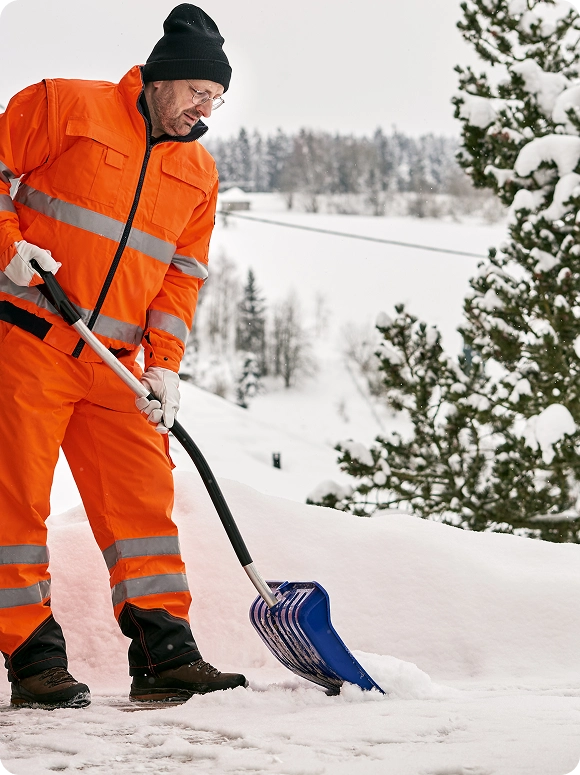
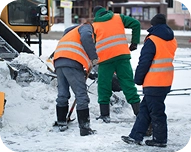
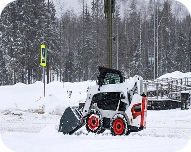
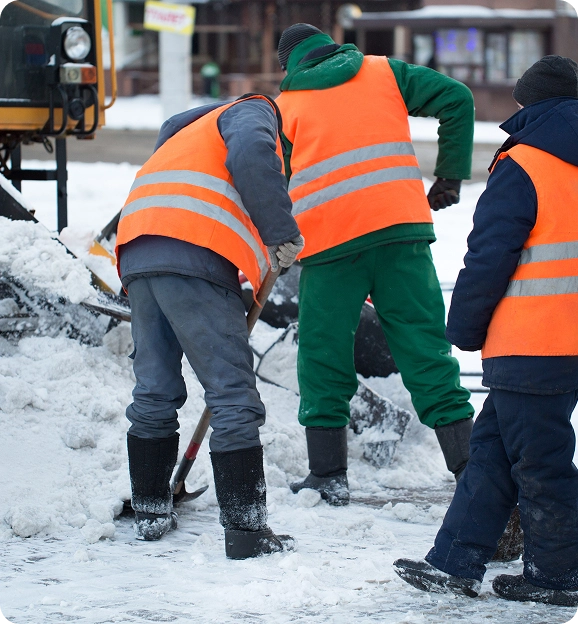
Snow removal insurance is designed for businesses that plow, shovel, salt, and de-ice properties in winter. It is typically more difficult to place and more expensive than landscaping insurance because the industry sees frequent claims tied to slip and falls, collisions, and property damage.
Zensurance describes snow removal insurance as a customized policy that can include coverage for third party property damage, third party bodily injury, accidents, and equipment breakdown.
ThinkInsure emphasizes that snow plowing is inherently risky and claims can involve slips, falls, collisions, injuries, and property damage.
Most snow removal insurance programs combine several key coverages, such as:
Commercial General Liability (CGL)
Often the core of snow plow insurance. It can respond if someone alleges they were injured (for example, a slip and fall) or property was damaged due to your operations.

Commercial auto insurance
Important for plow trucks and business vehicles. Snow removal insurers pay close attention to the type and value of vehicles and how they are used.
Hired and non-owned auto coverage
If you rent, lease, borrow vehicles, or have employees using personal vehicles for work, hired and non-owned auto coverage can be critical. Zensurance highlights this as a component for snow removal operations that use vehicles not owned by the business.
Tools and equipment coverage
Protects transportable tools and equipment against theft, vandalism, and certain damage scenarios.
Equipment breakdown coverage
Can help cover repair or replacement when equipment fails due to internal mechanical or electrical malfunction, depending on the policy.

Your liability coverage should reflect:

Landscaping and snow removal both routinely create property damage exposures, and liability coverage is the foundation for managing those claims.
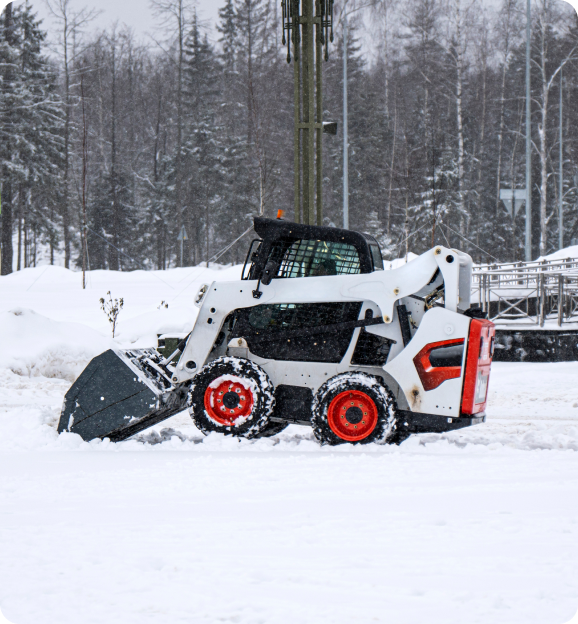
If you plow, you have vehicle exposure. If you tow trailers, you have another layer. If you use employees’ vehicles, you need to plan for hired and non-owned auto.
Snow removal sources highlight commercial auto as vital for snow removal contractors and call out hired and non-owned vehicle coverage for situations where vehicles are used for business but not owned by the company.
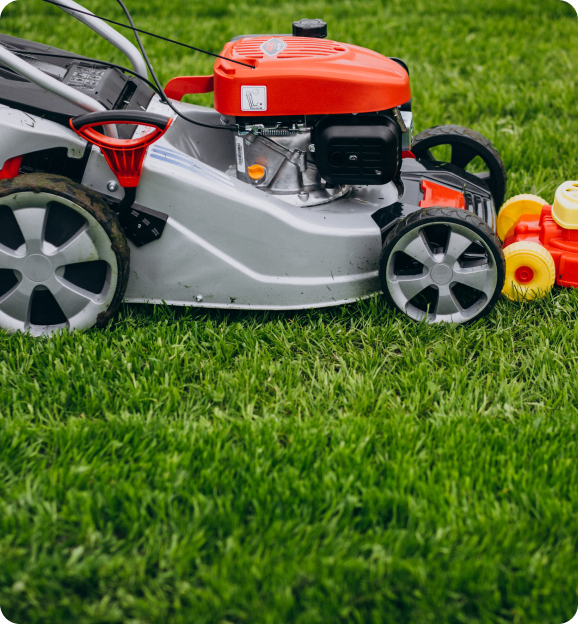
Theft from trucks, trailers, and job sites is common in contractor trades. Tools and equipment coverage is frequently included for landscaping and snow removal businesses to help repair or replace stolen or damaged gear.
For snow operations, breakdown matters too. A plow truck down during a storm can mean lost revenue and contract problems. Zensurance notes equipment breakdown coverage can respond to internal mechanical or electrical malfunctions.
If you use fertilizers, herbicides, pesticides, fuels, or similar materials, pollution liability can be worth discussing. Zensurance notes that landscaping vehicles, heavy equipment, and fertilizers and pesticides can lead to environmental, bodily injury, and property damage claims, and pollution liability insurance can help cover costs including cleanup and civil fines, depending on policy terms.

If you have a yard, shop, or warehouse, property coverage can protect your building and contents. Business interruption can help with lost income and overhead if you are forced to temporarily close after an insured loss.


Yes. Snow removal insurance is designed for winter property maintenance risks and commonly includes liability, commercial auto, and tools and equipment, with optional equipment breakdown. Snow removal is often considered higher risk and can be harder to place than landscaping coverage.
Liability insurance can help if someone alleges they were injured (for example, a slip and fall) or if your operations cause property damage. Zensurance notes CGL can help cover third party injury costs and legal defence expenses in scenarios like slip and fall allegations.
Most snow removal contractors need commercial auto insurance for their trucks and business vehicles, and many also need tools and equipment coverage for attached or transported equipment. If employees use personal vehicles or you rent vehicles, hired and non-owned auto coverage may be important.
They can. Snow removal has frequent slip and fall allegations, and some brokers note that contracts can attempt to transfer responsibility to the snow removal contractor. Ontario also has specific notice requirements for snow and ice injury claims under the Occupiers’ Liability Act framework, as summarized in practicePRO’s Bill 118 overview.
Pricing depends on your services, the types of properties you service, your vehicles and equipment, your revenue, claims history, and required limits. Zensurance lists multiple pricing factors for snow removal including business size, services, equipment value, and claims history.
Often, yes. Many contractors structure coverage to include both summer and winter operations. The key is making sure both services are disclosed and underwritten properly so there are no gaps when the season changes.


The most noticeable difference between the team at CommercialInsurance.ca and everyone else was the fact that I no longer felt that I was needed to manage the broker... the brokers came to me with proactive recommendations and knew when to push and shop the market and when not to. When the topic of business insurance comes up, I always refer fellow buinsess owners to commercialinsurance.ca.



"I was always the type of custom that never beleived in insurance and only really got it because I had to. Then I met the people at CommcercialInsurance.ca and they asked me questions no one else every did and that's how I knew something was different. They took the time to understand and evaluate the risks. Well, I ended up getting some extra coverage (legal expense) and thank goodness I did. Something fairly innocent turned into something quite nasty and I didn't have to do too much... my coverage took care of it. Nows I look at Insurance as a security blanket for my business."

No one likes buying insurance because it's a bit of a bet against yourself. You just hope that when the bad things happen that insurance will do what it said it would do in the first place. That's what'ts great about the experience is over here. They stand behind the policy's that they bind. They never professed to get me the best price, but they did say they have my back, and have my back, they did.