

We are here to Help:
1-416-510-5775






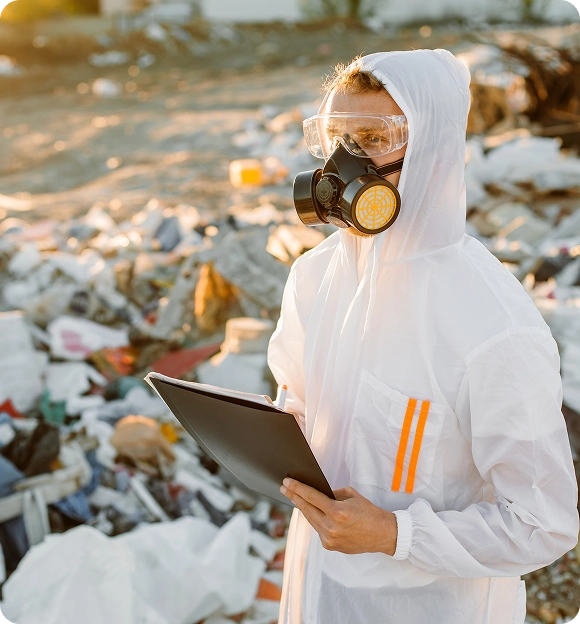
Pollution liability insurance, also known as environmental impairment liability (EIL), is coverage that can help protect a business from third party claims and first party costs tied to pollution conditions connected to covered operations. Depending on the policy and how it is structured, it can respond to claims and costs involving bodily injury, property damage, environmental damage, cleanup, emergency response, and in some cases business interruption.
Pollution events can happen suddenly (for example, a spill from a tank during work) or gradually (for example, a slow leak that goes unnoticed). That matters because gradual pollution is one of the most common areas where standard coverage falls short.
Many Ontario businesses assume their commercial general liability policy will handle environmental damage. In practice, most CGL policies contain pollution exclusions, and even when a limited “sudden and accidental” option exists, it can be narrower than a dedicated EIL policy and may be restricted by detection and reporting timeframes.
Pollution risks can show up in more industries than people expect. Examples of common exposures include leaks from machinery or storage, project site runoff, spills during transport, and job site hazards like asbestos, mould, and dust.



Premises pollution liability is designed for pollution releases at, on, under, or migrating from a location you own or lease. It commonly includes first party coverage for items like cleanup, emergency response, and business interruption, and third party coverage for cleanup costs, property damage, and bodily injury.
This is often relevant for businesses with:


Contractors pollution liability applies when work performed by or on behalf of a contractor results in the release of a pollutant into the environment. It is typically built to protect both ongoing and completed operations and can include coverage for property damage, bodily injury, cleanup, legal defence, and regulatory fines (subject to policy terms).
This is often important for contractors whose work can create environmental exposures such as:
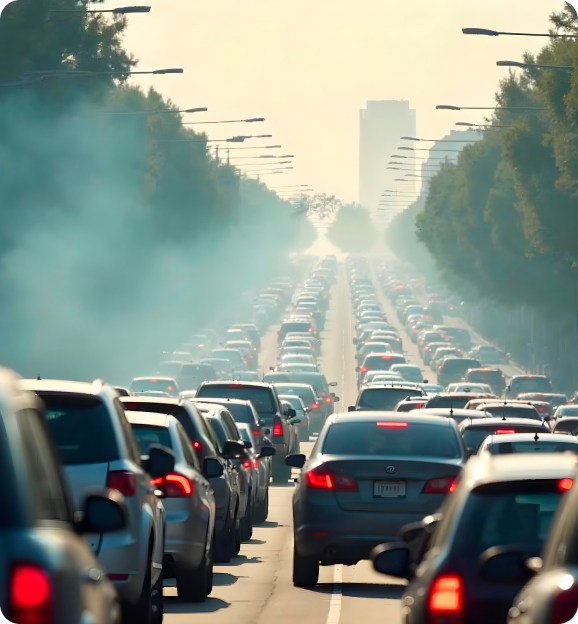
Transportation pollution liability is intended to address pollution exposures during loading or unloading and while products, materials, equipment, or waste are being transported, shipped, or delivered by your business or a carrier on your behalf. It is often offered as an optional coverage with premises or contractor pollution policies and may apply on a difference in condition basis when the pollution loss is not covered under the primary auto, marine, aviation, or rail liability policy.
This matters if you:

Beyond the core policy type, pollution insurance can often be tailored with options that match how Ontario businesses actually operate. Examples include:
The right mix depends on what you do, where you do it, and how your contracts allocate responsibility.


When we help Ontario businesses place pollution insurance, we typically start with the realities of your risk. Key factors include:


Here are practical questions that help you avoid common gaps:


Often, no. Many CGL policies include pollution exclusions, and even when a limited “sudden and accidental” option exists, it can be narrower than a dedicated environmental impairment liability policy and may have strict time limits.
In many contexts, they refer to the same category of coverage. Environmental impairment liability is commonly used as an umbrella term for pollution related coverage that can include premises, contractor, and transportation policy forms.
Any business exposed to pollutants or environmental hazards should consider it, especially contractors, property operators with environmental exposures, and businesses that transport materials or waste.
There is not a single rule that requires every business to buy pollution insurance. However, Ontario businesses may face strict spill reporting and cleanup obligations, and many contracts (leases, project agreements, vendor requirements) can require proof of environmental liability coverage.
Prioritize safety, contain what you can without creating risk, and report as required. Ontario spill reporting guidance describes immediate reporting duties in certain situations, and prompt documentation is critical. Then contact your broker as soon as possible so the claim can be reported properly and the right response resources can be coordinated.
Pricing depends on your industry, operations, revenues, loss history, materials handled, locations, and the coverage structure (premises, contractors, transportation). The most effective way to determine cost is to have your exposures reviewed and quotes compared across the right markets.


The most noticeable difference between the team at CommercialInsurance.ca and everyone else was the fact that I no longer felt that I was needed to manage the broker... the brokers came to me with proactive recommendations and knew when to push and shop the market and when not to. When the topic of business insurance comes up, I always refer fellow buinsess owners to commercialinsurance.ca.



"I was always the type of custom that never beleived in insurance and only really got it because I had to. Then I met the people at CommcercialInsurance.ca and they asked me questions no one else every did and that's how I knew something was different. They took the time to understand and evaluate the risks. Well, I ended up getting some extra coverage (legal expense) and thank goodness I did. Something fairly innocent turned into something quite nasty and I didn't have to do too much... my coverage took care of it. Nows I look at Insurance as a security blanket for my business."

No one likes buying insurance because it's a bit of a bet against yourself. You just hope that when the bad things happen that insurance will do what it said it would do in the first place. That's what'ts great about the experience is over here. They stand behind the policy's that they bind. They never professed to get me the best price, but they did say they have my back, and have my back, they did.