

We are here to Help:
1-416-510-5775







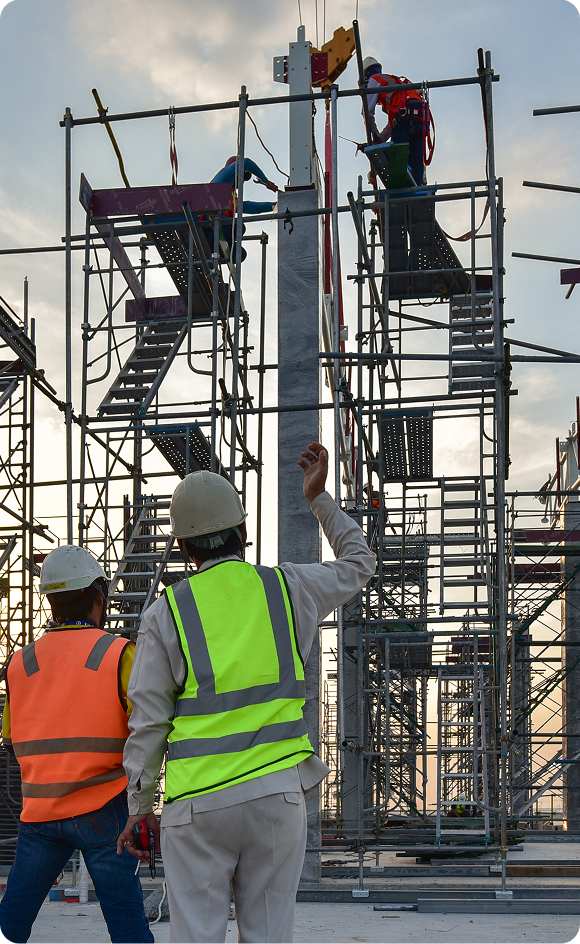

A builder's risk policy is intended to protect the project against many common causes of loss during construction.
Common covered triggers often include events like:
Many policies can also address job site realities such as project interruption and supply delays, and may cover materials while stored off-site or in transit to the job site, depending on wording.

Builder's risk insurance is typically focused on property and project costs, including the work in progress and many materials that will form part of the completed project.
Depending on policy wording, scope can include:
Builder's risk is also defined by what it does not cover.
Common exclusions (varies by insurer) can include:
The key takeaway: builder's risk is powerful, but it is not “everything that could happen.” Policy wording matters.

Builder's risk insurance is temporary. It is usually written for the expected length of the job, often 3, 6, or 12 months, and can sometimes be extended if the project runs long.
Coverage is intended to respond only while the work is in progress and within the policy period. It does not apply before construction starts or after the work is complete.

Builder's risk can be purchased by different parties with a financial interest in the project, such as contractors, homeowners, construction companies, building owners, developers, and subcontractors.
The most important step is not “who should buy it in theory,” but who is responsible in your contract. Clarify it before work starts so there is no gap in protection.



Builder's risk is used for residential new builds, renovations, and commercial and industrial projects. It applies wherever a property is under construction or major renovation.
Home insurance and commercial property insurance are generally built for properties in regular use. Builder's risk covers the project during construction when standard policies may exclude or limit coverage.
Contractor insurance often focuses on liability for the business. Builder's risk focuses on the project property and materials. You may need both, and you should confirm who is responsible for purchasing the builder's risk policy before the job starts.


Builder's risk insurance is specialized property insurance that covers a project during construction or major renovation, often called course of construction insurance.
It is typically written for a specific project and policy term, covers physical loss or damage during construction, and ends when the project is complete or the policy expires. Limits and coverage scope should align to the project’s completed value and contract requirements.
Builder's risk is generally property coverage. Liability exposures (injury or damage to third parties) are typically handled through wrap-up liability or general liability coverage, although some insurers may bundle solutions.
Common covered perils can include fire, theft, vandalism, wind and hail, and related costs such as replacement of materials and certain soft costs, depending on wording. Coverage can also include materials in transit or stored off-site, and temporary structures like scaffolding.
Common exclusions can include earthquake and water damage (unless endorsed), employee theft, mechanical breakdown, and faulty design or planning, among others. Coverage also does not apply before construction starts or after the work is complete.
Builder's risk is meant to be in force before work starts. Losses that occur before coverage begins are not covered. The practical rule is to bind coverage before materials arrive or construction begins.


The most noticeable difference between the team at CommercialInsurance.ca and everyone else was the fact that I no longer felt that I was needed to manage the broker... the brokers came to me with proactive recommendations and knew when to push and shop the market and when not to. When the topic of business insurance comes up, I always refer fellow buinsess owners to commercialinsurance.ca.



"I was always the type of custom that never beleived in insurance and only really got it because I had to. Then I met the people at CommcercialInsurance.ca and they asked me questions no one else every did and that's how I knew something was different. They took the time to understand and evaluate the risks. Well, I ended up getting some extra coverage (legal expense) and thank goodness I did. Something fairly innocent turned into something quite nasty and I didn't have to do too much... my coverage took care of it. Nows I look at Insurance as a security blanket for my business."

No one likes buying insurance because it's a bit of a bet against yourself. You just hope that when the bad things happen that insurance will do what it said it would do in the first place. That's what'ts great about the experience is over here. They stand behind the policy's that they bind. They never professed to get me the best price, but they did say they have my back, and have my back, they did.