

We are here to Help:
1-416-510-5775







Restaurant insurance is commercial insurance designed specifically for food and beverage businesses. It is built to address the risks restaurants face every day, including customer injuries, food-related claims, property damage, and operational shutdowns.
It matters because restaurants have multiple exposures happening at once:
Customers and delivery drivers entering and exiting all day

Staff working around hot surfaces, sharp tools, and wet floors
Refrigeration and kitchen equipment that can fail unexpectedly
Liability exposure from the food and beverages you serve
High reliance on daily revenue, meaning a closure can quickly become a cash flow crisis
A well-structured restaurant insurance policy helps you:
Protect your building, equipment, and inventory
Reduce the financial impact of lawsuits and liability claims
Keep cash flow moving after an insured loss through business interruption coverage
Meet landlord, lender, franchisor, and vendor requirements (often including certificates of insurance)
Operate with confidence knowing you have a plan for major setbacks
Restaurant insurance is usually a package made up of several coverages. The best program depends on your business model, your location, and what you serve.

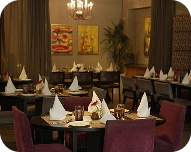



Commercial general liability (CGL) is the foundation of most restaurant insurance programs. It helps protect your business from third-party claims of bodily injury, property damage, and certain personal and advertising injuries.
For restaurants, this often includes scenarios like:

If you serve alcohol, you should also discuss liquor liability. Liquor liability is designed to protect you if a claim alleges harm caused by an intoxicated person after being served at your establishment. Many restaurant insurance programs treat this as a required add-on for bars and licensed restaurants.
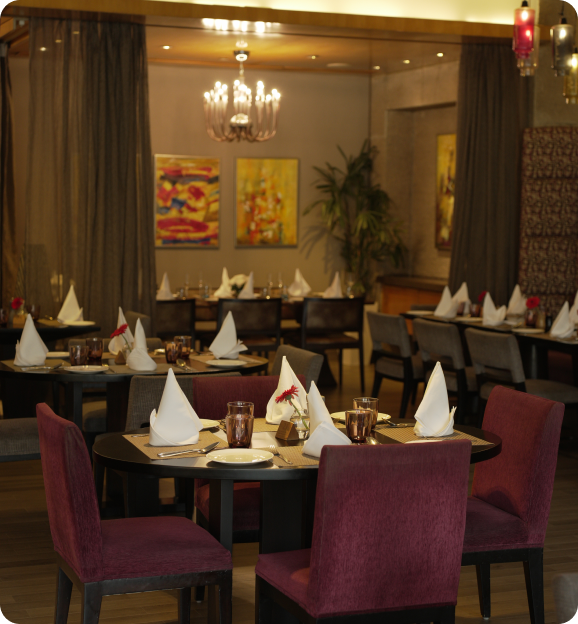
Property coverage protects the physical assets that keep your restaurant running. This can include:
For restaurants, property coverage is critical because kitchen fires and water damage are among the most severe and disruptive losses.
Equipment breakdown and spoilage
Many restaurants also need protection for internal equipment failures, especially refrigeration, HVAC, and electrical breakdowns. Equipment breakdown coverage is designed to cover losses from sudden and accidental breakdown of mechanical, electrical, or pressure equipment and can also address spoilage and business interruption, depending on the policy.
This is highly relevant for restaurants because a refrigeration failure can cause thousands of dollars in spoiled inventory in hours.

For most restaurants, workplace injury protection is tied to Ontario’s workplace safety system.
In Ontario, WSIB coverage is not mandatory for every business, and mandatory coverage depends on how an employer is classified under Ontario’s workplace safety framework.
Some employers with non-mandatory coverage can apply to WSIB for coverage.
From a risk perspective, restaurants should treat employee injury exposure seriously. Employer liability risk and obligations can look different depending on whether the business is within WSIB or outside it.
When we build your restaurant insurance program, we help you understand how your staffing model and classification interact with WSIB, and we coordinate the rest of your insurance accordingly.

Business interruption insurance (often called business income insurance) helps cover lost net income and ongoing expenses when your restaurant must close or reduce operations due to a covered property loss. It may also cover certain overhead costs like rent, utilities, and payroll, depending on your policy.
Restaurant owners often underestimate how long it can take to fully recover after a major loss. Repairs are only one part. You may also need time for inspections, equipment replacement, staff re-hiring, and rebuilding customer traffic.
A strong business interruption setup can include:
There is no single standard for restaurant insurance cost in Ontario. Premiums vary widely, even between two similar restaurants in the same city, because underwriting is driven by both the property risk and the liability risk.
Here are the biggest drivers.
If you sell prepared food or beverages, you likely need restaurant insurance, but your ideal coverage depends on your model.
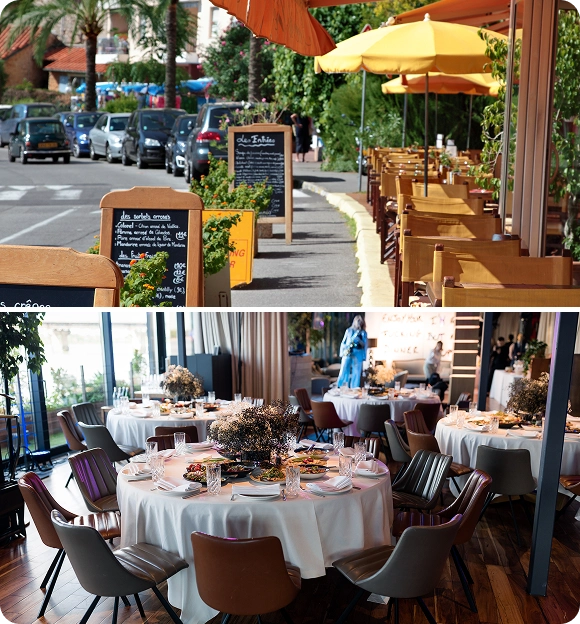
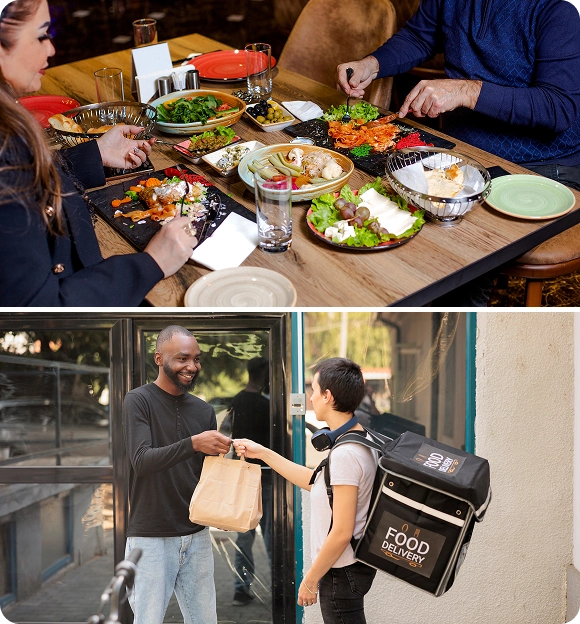
Getting quotes is easy. Comparing coverage correctly is what protects you.
When reviewing restaurant insurance quotes, compare:


Buying direct can work for simple situations, but restaurants are rarely simple. A broker can:


Restaurants change quickly. Your policy should keep up. Review coverage when you:


Regular reviews help keep you properly insured and reduce surprises during claims.

If you serve alcohol, liquor liability is strongly recommended and is often required by landlords, event venues, and certain contracts. It is designed to address claims alleging harm caused by intoxicated patrons after being served at your establishment.
Food-related claims are often handled under product liability, which can be included within commercial general liability coverage, depending on the policy. Food poisoning and allergic reaction claims are commonly cited examples of product liability exposure for restaurants.
WSIB coverage is not mandatory for every business in Ontario, and requirements depend on how the business is classified under Ontario’s workplace safety framework. Some employers with non-mandatory coverage can apply for WSIB coverage.
If you have staff, it is worth confirming your status and obligations, because employee injury risk is a major exposure for restaurants.
Restaurant insurance cost varies widely based on location, operations, alcohol service, cooking methods, revenue, claims history, and the limits and deductibles you choose. Even similar restaurants in the same area can see very different premiums.
Common gaps can include wear and tear, maintenance issues, certain equipment breakdown losses unless you add equipment breakdown coverage, and cyber-related losses unless you purchase cyber insurance. Exclusions depend on your policy wording, which is why reviewing it with a broker is important.
Timing depends on underwriting and documentation, but once coverage is bound, certificates of insurance can often be issued quickly. At CommercialInsurance.ca, we treat same business day responses as the minimum standard because landlords and vendors often require proof on tight timelines.



The most noticeable difference between the team at CommercialInsurance.ca and everyone else was the fact that I no longer felt that I was needed to manage the broker... the brokers came to me with proactive recommendations and knew when to push and shop the market and when not to. When the topic of business insurance comes up, I always refer fellow buinsess owners to commercialinsurance.ca.



"I was always the type of custom that never beleived in insurance and only really got it because I had to. Then I met the people at CommcercialInsurance.ca and they asked me questions no one else every did and that's how I knew something was different. They took the time to understand and evaluate the risks. Well, I ended up getting some extra coverage (legal expense) and thank goodness I did. Something fairly innocent turned into something quite nasty and I didn't have to do too much... my coverage took care of it. Nows I look at Insurance as a security blanket for my business."

No one likes buying insurance because it's a bit of a bet against yourself. You just hope that when the bad things happen that insurance will do what it said it would do in the first place. That's what'ts great about the experience is over here. They stand behind the policy's that they bind. They never professed to get me the best price, but they did say they have my back, and have my back, they did.