
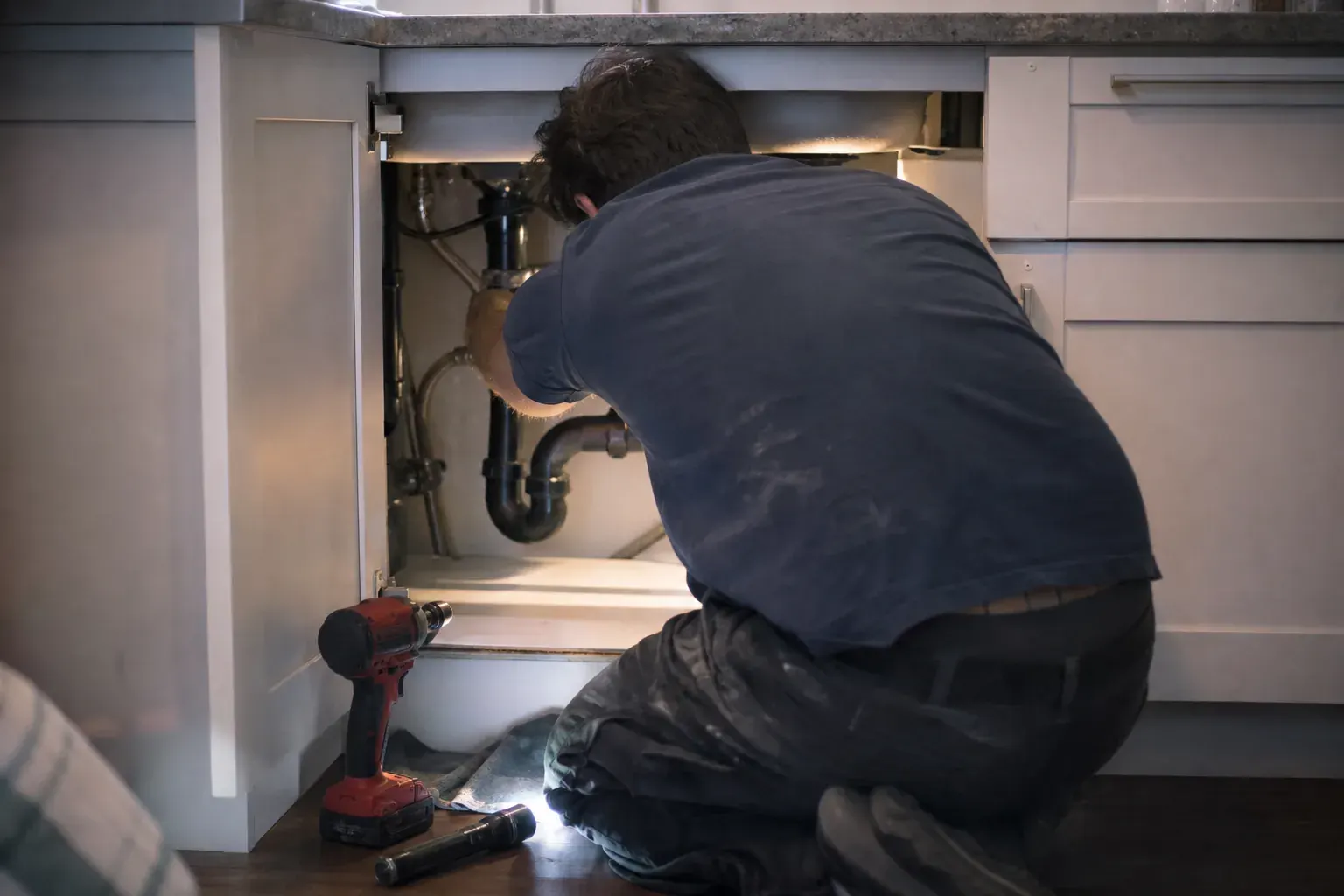
Plumber Insurance in Ontario
One failed fitting can flood a basement or an entire condo floor. We connect Ontario plumbers and plumbing contractors with licensed brokers who know how water damage claims work and how to structure coverage that protects your business long after the job is finished.
Connect Now
Service & Support:
- Follow-up from a licensed broker within 24 hours
- Policy Review and Comparison
- Risk Assessment
- Help with certificates of insurance, policy changes and contract reviews
- Renewal planning well before your policy expires
Quick answer
What insurance does a plumber need in Ontario?
Ontario plumbers usually need commercial general liability with completed operations for water damage claims after a job, tools and equipment coverage, commercial auto for service vehicles, and WSIB, which is mandatory for most construction businesses. Plumbers who work with fuel lines, septic systems or drain chemicals may also need pollution liability.
Water damage is the claim that defines plumbing insurance
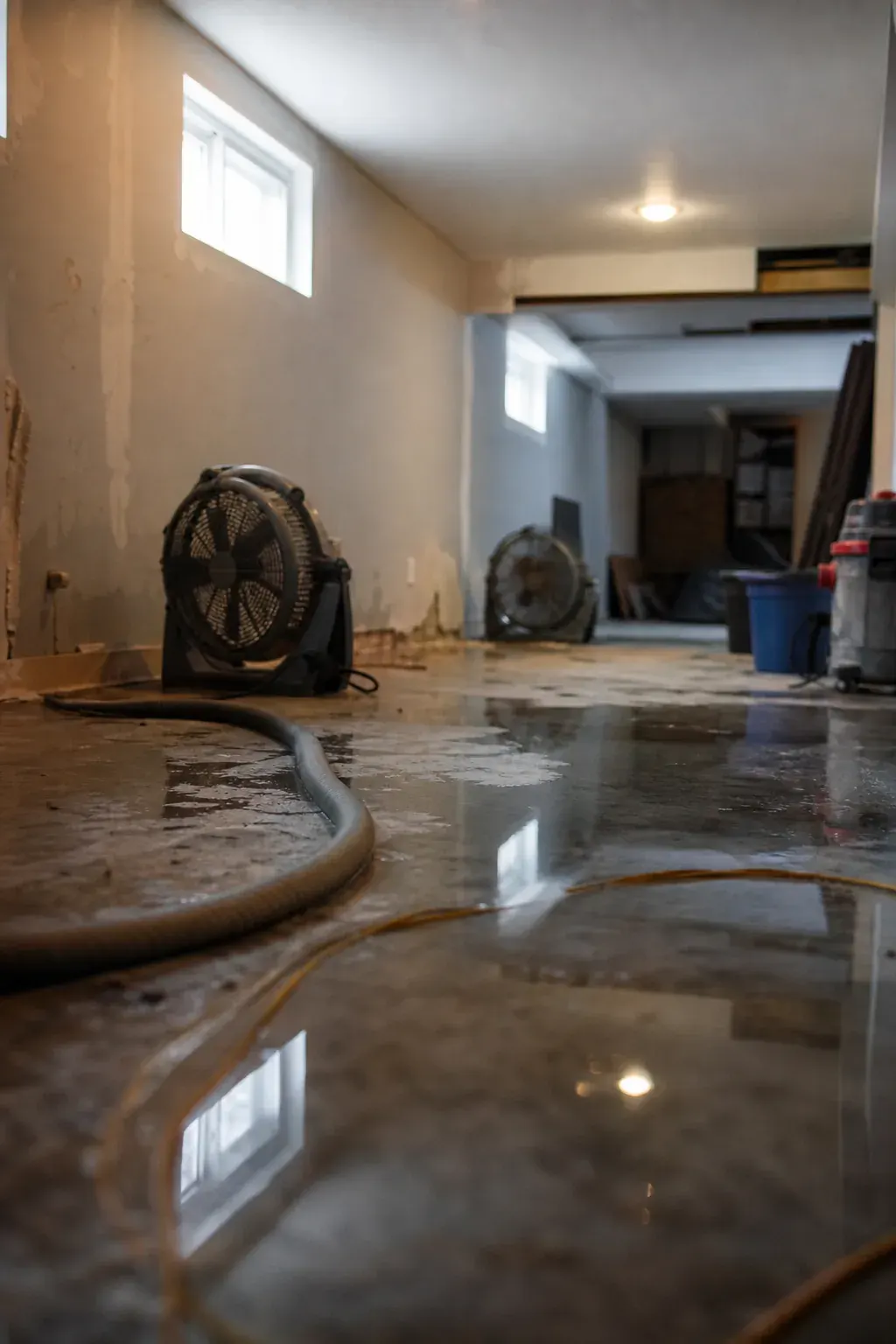
Plumbing claims are rarely about injuries. They are about water. A leaking joint, a failed water heater connection or a drain backup can cause tens of thousands of dollars in damage, often discovered weeks after you finished the work.
That is why completed operations coverage and the right liability limit matter so much. In multi unit buildings and condos, one leak can reach several units and common areas, and the building's insurer may pursue you to recover what it paid.
Plumbing is also a compulsory trade in Ontario, so people doing the work must hold a certificate of qualification or be registered apprentices.
Connect NowHow CommercialInsurance.ca works
We are not an insurer or a broker. We find you the right one.
Matched by industry
We connect you with a broker who works with businesses like yours, not a generic call centre.
Licensed Ontario brokers
Insurance brokers in Ontario are licensed by the Registered Insurance Brokers of Ontario (RIBO).
Fast follow up
Once we receive your information, a professional in our network will connect with you within 24 hours.
No cost to be matched
Our referral service is free for businesses. You deal directly with the broker for quotes and coverage.
What coverage does a plumbing contractor need?
These are the coverages a broker will usually build into a plumber's program.
General liability with completed operations
CGL covers damage and injury you cause while working and, through completed operations, water damage and other claims that arise after the job. Check for exclusions on water damage or condo work, which appear on some cheaper policies.
- Water damage from your work, during and after the job
- Condo and multi unit exposure
- Additional insured certificates
Tools and equipment
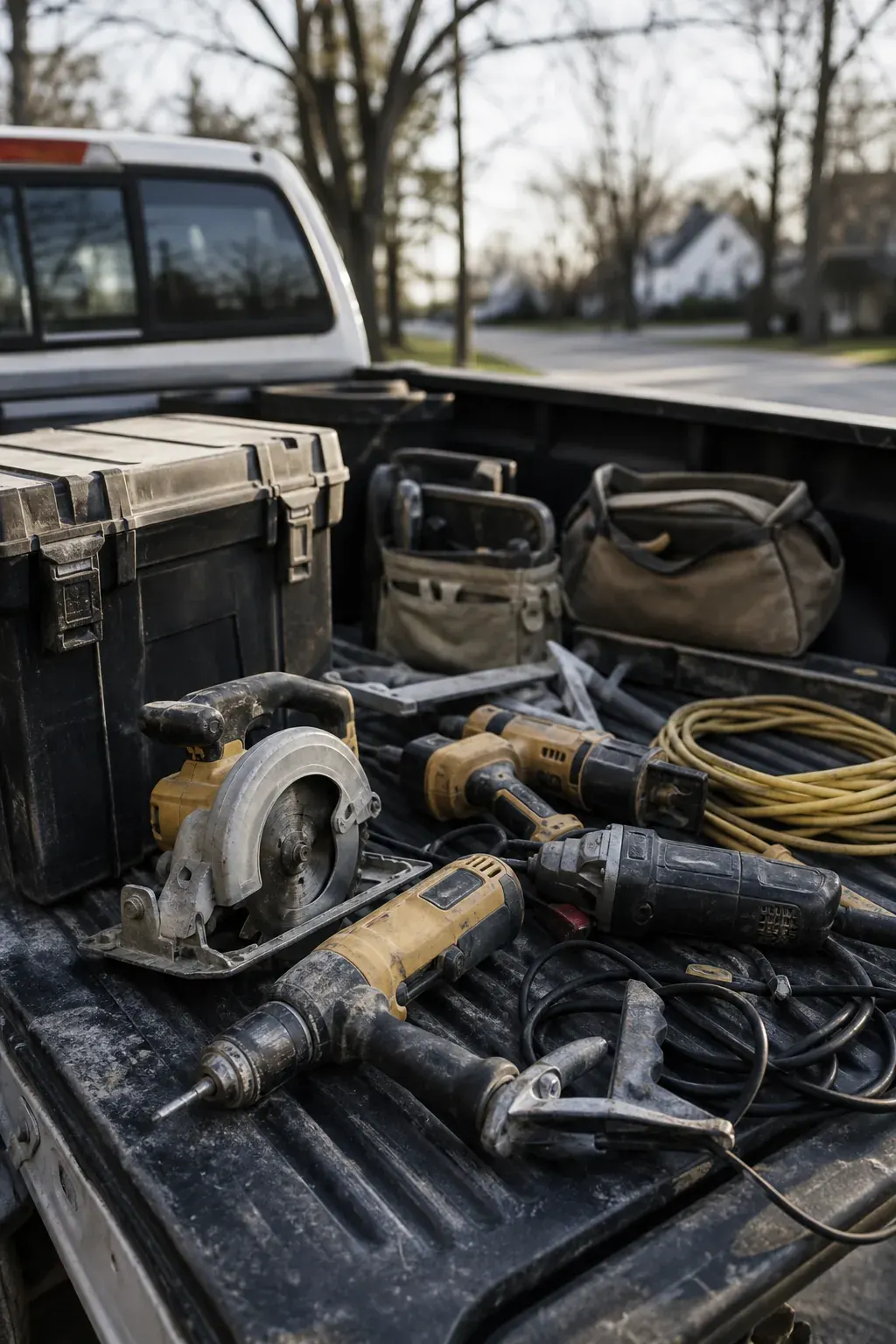
Drain cameras, jetters, pipe threaders and press tools are expensive and live in the van. Tools and equipment coverage protects them on site, in transit and in storage.
- Drain cameras and jetters
- Press tools and threaders
- Theft from vehicles
Pollution liability
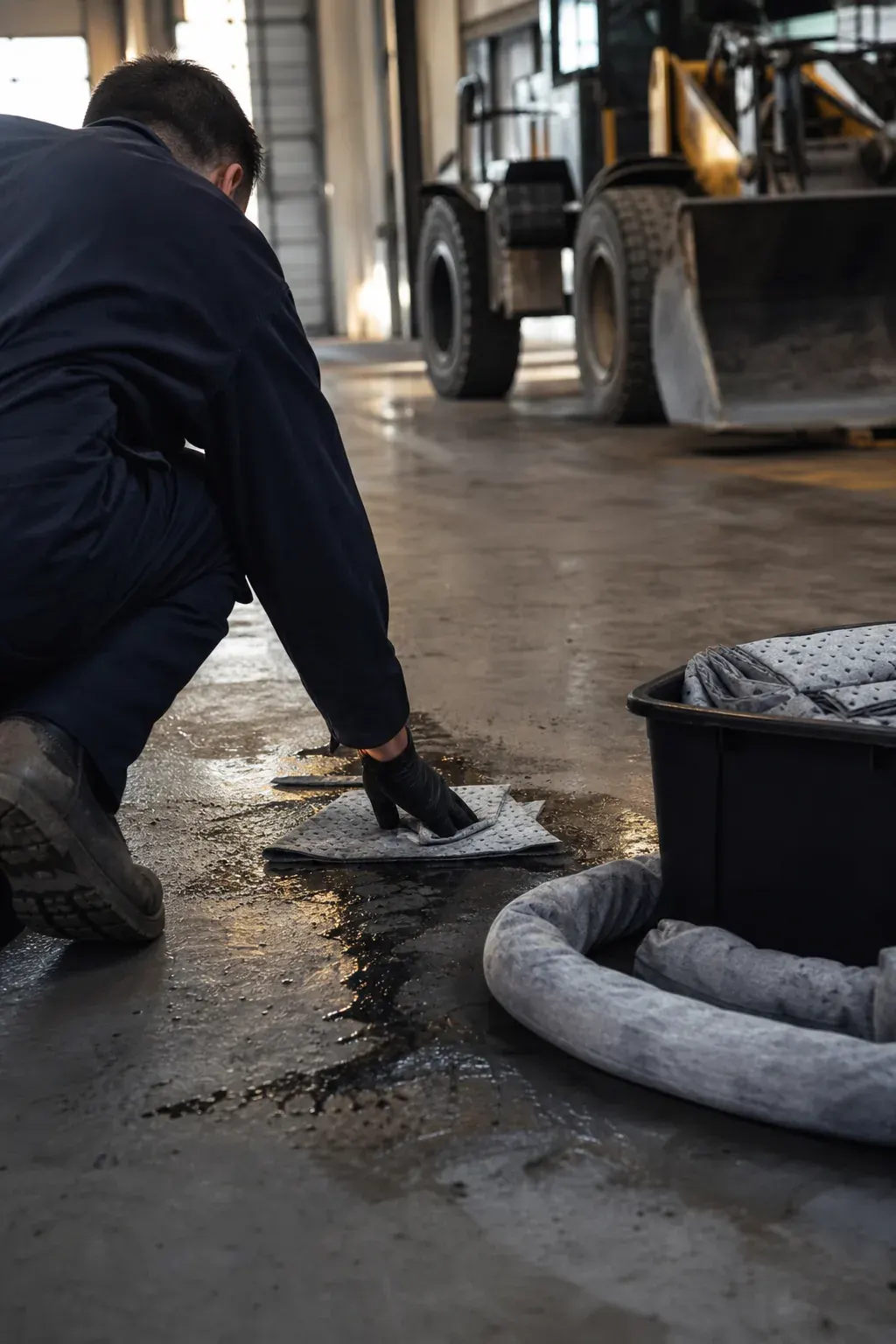
Sewage backups, septic work, fuel oil lines and drain chemicals can create contamination claims that many CGL policies exclude. Contractors pollution liability fills that gap.
- Sewage and septic work
- Fuel oil and gas line work
- See pollution insurance
Commercial auto
Service vans need commercial auto insurance, and non owned auto protects the business when staff use their own vehicles for work.
- Service vans and trucks
- Non owned auto
- Equipment carried in vehicles

Plumbing risks insurers look at
Condos and multi unit buildings
Work in condos and apartment buildings carries more risk because water travels. Some insurers limit or exclude this work, so tell your broker what share of your revenue comes from multi unit buildings.
- Disclose condo and multi unit work
- Test and photograph before closing walls
- Know your building's water shut off plan
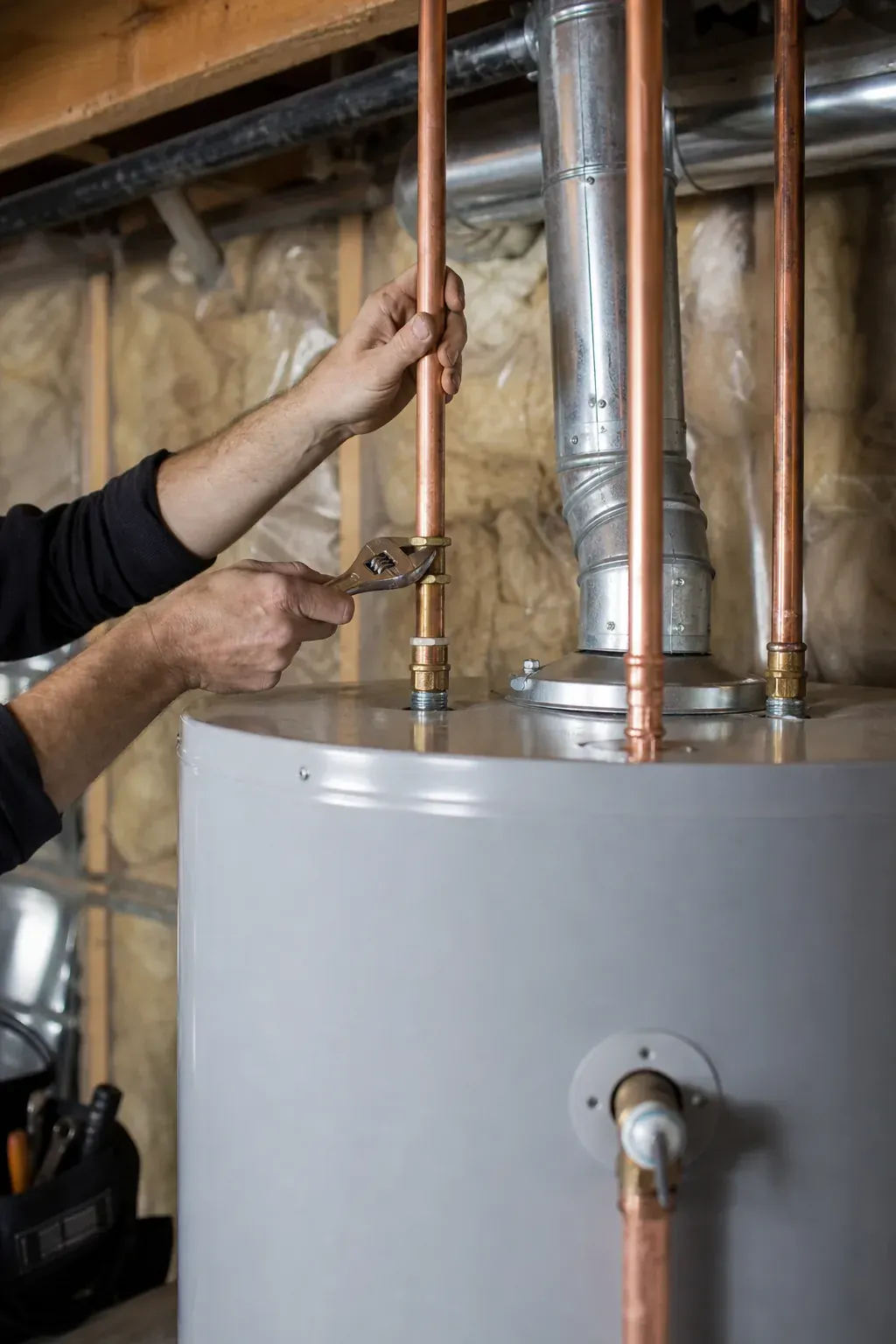
Hot work and water heaters
Soldering and torch work can start fires, and water heater and boiler installs involve gas and pressure. Keep hot work procedures, fire watch practices and any TSSA gas certification current.
- Hot work permits and fire watch
- Gas certification where required
- Manufacturer install requirements
What does plumber insurance cost in Ontario?
As a general guide, many Ontario plumbers running as an owner operator or small crew see roughly $1,200 to $4,500 a year for $2 million in general liability plus tools and equipment coverage. WSIB and commercial auto are priced separately. These are estimates only. See our contractor insurance cost guide.
Raises the price
- Condo and multi unit work
- Commercial and new construction
- Past water damage claims
- Septic or fuel oil work
Helps lower it
- Mostly residential service calls
- Clean claims history
- Pressure testing and photo records
- Several years in business
Budget separately
- WSIB premiums, based on insurable earnings
- Commercial auto for work vehicles
- Surety bonds for bonded contracts
Protect your business from the next leak
Tell us about your plumbing business and we will connect you with a licensed Ontario broker who understands water damage exposure, completed operations and the certificates GCs and property managers ask for.
Also doing HVAC or gas work? See HVAC contractor insurance.
Connect NowPlumber Insurance FAQs
Does plumber insurance cover water damage after I finish a job?
Yes, if your commercial general liability includes completed operations coverage without restrictive water damage exclusions. Ask your broker to confirm both.
How much liability insurance should a plumber carry?
Most plumbers carry at least $2 million. Work in condos, commercial buildings or for general contractors often requires $5 million.
Do plumbers need pollution insurance?
If you work on sewage, septic systems, fuel oil lines or use drain chemicals, pollution liability is worth considering because many CGL policies exclude contamination.
Do I need WSIB as a contractor in Ontario?
Most people who own or run a construction business in Ontario must have WSIB coverage, including sole proprietors, partners and executive officers, whether or not they have employees. There is an exemption for independent operators who only do home renovation work hired directly by the homeowner, and one non working executive officer or partner per company can be exempt. Read our WSIB clearance certificate guide.
How fast can I get a certificate of insurance for a new job?
A broker who works with contractors can usually issue a certificate of insurance the same day, including additional insured wording for the general contractor or property owner. See our certificate of insurance guide.
What happens after you request commercial insurance?
 1
1Discovery Call
(30 to 45 min)Understand operations, contracts, assets, and loss history.
Get Started Now!
We will request your
expiring policies and loss runs. 2
2Risk Mapping
(1 to 3 days)Document exposures, limits, sublimits, deductibles, and endorsements that fit your contracts.
Get Started Now! 3
3Market Placement
(2 to 5 days)Approach the right markets
Get Started Now!
and negotiate terms, exclusions, and deductibles. 4
4Proposal & Bind
Get Started Now!
Side-by-side options in clear wording, so you can choose with confidence.
Protect your team too
Offer health, dental and life benefits your employees will value.
We also connect Ontario businesses with licensed benefits advisors, from two person teams to growing companies.
 5/5 rating on Google
The Commercial Insurance Difference: Feedback from those referred
Proactive Broker Relationship.
The most noticeable difference was the fact that I no longer felt that I was needed to manage the broker... the brokers came to me with proactive recommendations and knew when to push and shop the market and when not to. When the topic of business insurance comes up, I always refer fellow business owners.
Steve T
Security Blanket For My Business
I was always the type of customer that never believed in insurance and only really got it because I had to. Then I connected with a broker through Commercial Insurance.ca and they asked me questions no one else ever did and that's how I knew something was different. They took the time to understand and evaluate the risks. Well, I ended up getting some extra coverage (legal expense) and thank goodness I did. Something fairly innocent turned into something quite nasty and I didn't have to do too much... my coverage took care of it. Now I look at Insurance as a security blanket for my business.
Michael L
They had my back
No one likes buying insurance because it's a bit of a bet against yourself. You just hope that when the bad things happen that insurance will do what it said it would do in the first place. Their specialist stand behind the policy's that they bind. They never professed to get me the best price, but they did say they have my back, and have my back, they did.
Steph P