
Electrician Insurance in Ontario
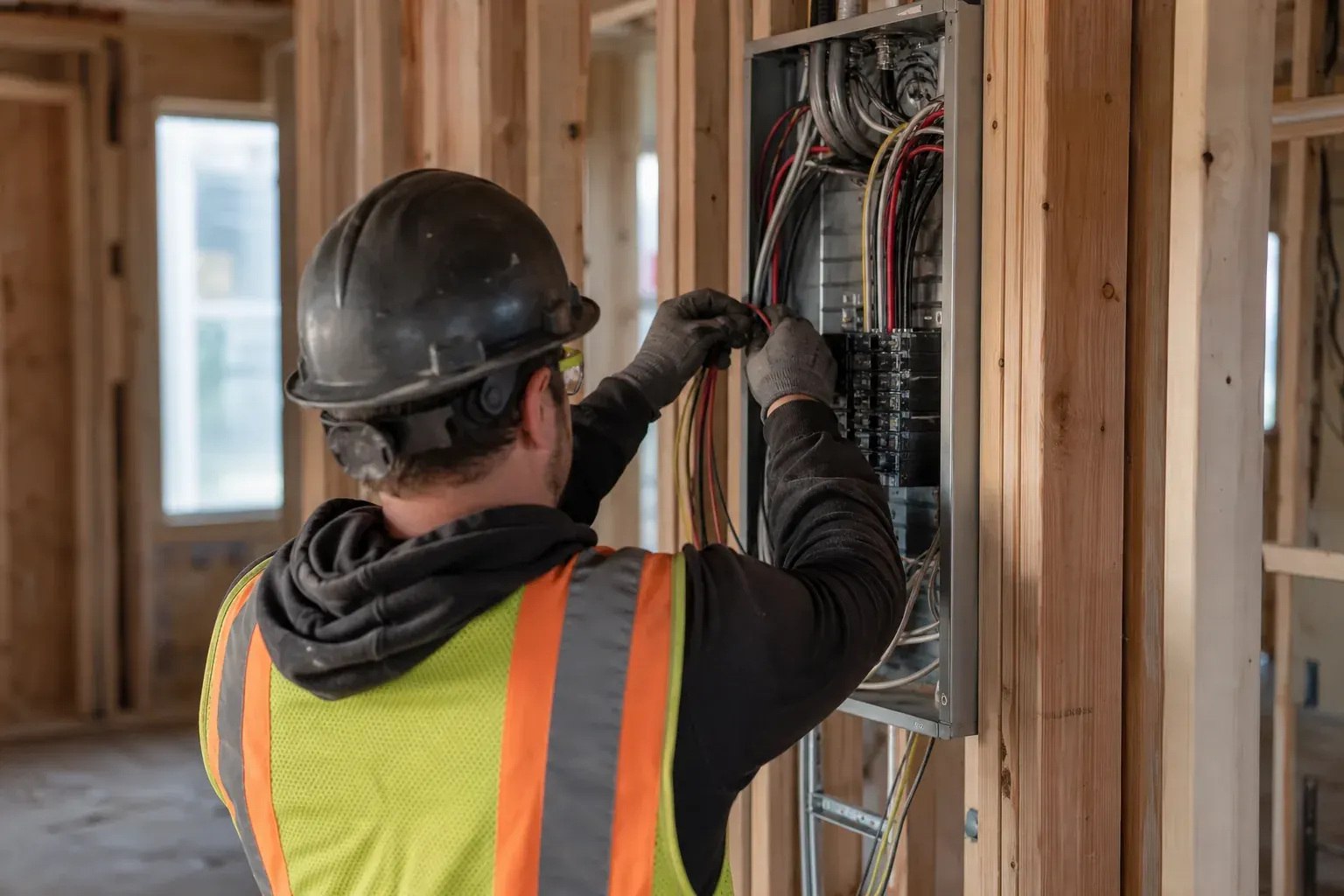
Electrical work carries one of the biggest long tail risks in the trades: a fire years after the job can still lead back to you. We connect Ontario electricians and electrical contractors with licensed brokers who understand ESA licensing, contract requirements and the claims electrical work really produces.
Connect Now
Service & Support:
- Follow-up from a licensed broker within 24 hours
- Policy Review and Comparison
- Risk Assessment
- Help with certificates of insurance, policy changes and contract reviews
- Renewal planning well before your policy expires
Quick answer
What insurance does an electrician need in Ontario?
To hold an ESA Licensed Electrical Contractor licence in Ontario you need public liability and property damage insurance of at least $2,000,000, plus WSIB registration where required. Most electrical contractors also carry tools and equipment coverage, completed operations coverage for past work, commercial auto for service vans and, for design work, errors and omissions.
Insurance built around ESA licensing and real electrical claims
In Ontario, electrical contractors are licensed by the Electrical Safety Authority. To hold a Licensed Electrical Contractor licence, the ESA requires public liability and property damage insurance of at least $2,000,000, a Master Electrician on staff and WSIB registration where the law requires it.
That $2 million is a floor, not a target. General contractors, property managers and commercial clients often ask for $5 million or more, and your policy needs to respond to the claims electrical work actually produces: fires, property damage and injuries that can surface long after you have been paid.
Electrical work is also a compulsory trade in Ontario, so the people doing it must hold a certificate of qualification or be registered apprentices. Insurers ask about licensing and supervision because it is one of the best signs of a well run shop.
Connect NowHow CommercialInsurance.ca works
We are not an insurer or a broker. We find you the right one.
Matched by industry
We connect you with a broker who works with businesses like yours, not a generic call centre.
Licensed Ontario brokers
Insurance brokers in Ontario are licensed by the Registered Insurance Brokers of Ontario (RIBO).
Fast follow up
Once we receive your information, a professional in our network will connect with you within 24 hours.
No cost to be matched
Our referral service is free for businesses. You deal directly with the broker for quotes and coverage.
What coverage does an electrical contractor need?
These are the coverages a broker will usually build into an electrician's program.
General liability with completed operations
Commercial general liability covers injury and property damage you cause while working, such as damaging a finished wall or a client tripping over your cords. Completed operations, part of a proper CGL, covers claims that arise after the job is done, like a fire traced back to a connection you made.
This is the coverage the ESA requires at $2 million, and the one contractors most often need to prove with a certificate.
- At least $2 million for ESA licensing
- Completed operations for past jobs
- Additional insured certificates for GCs and owners
Tools, equipment and materials
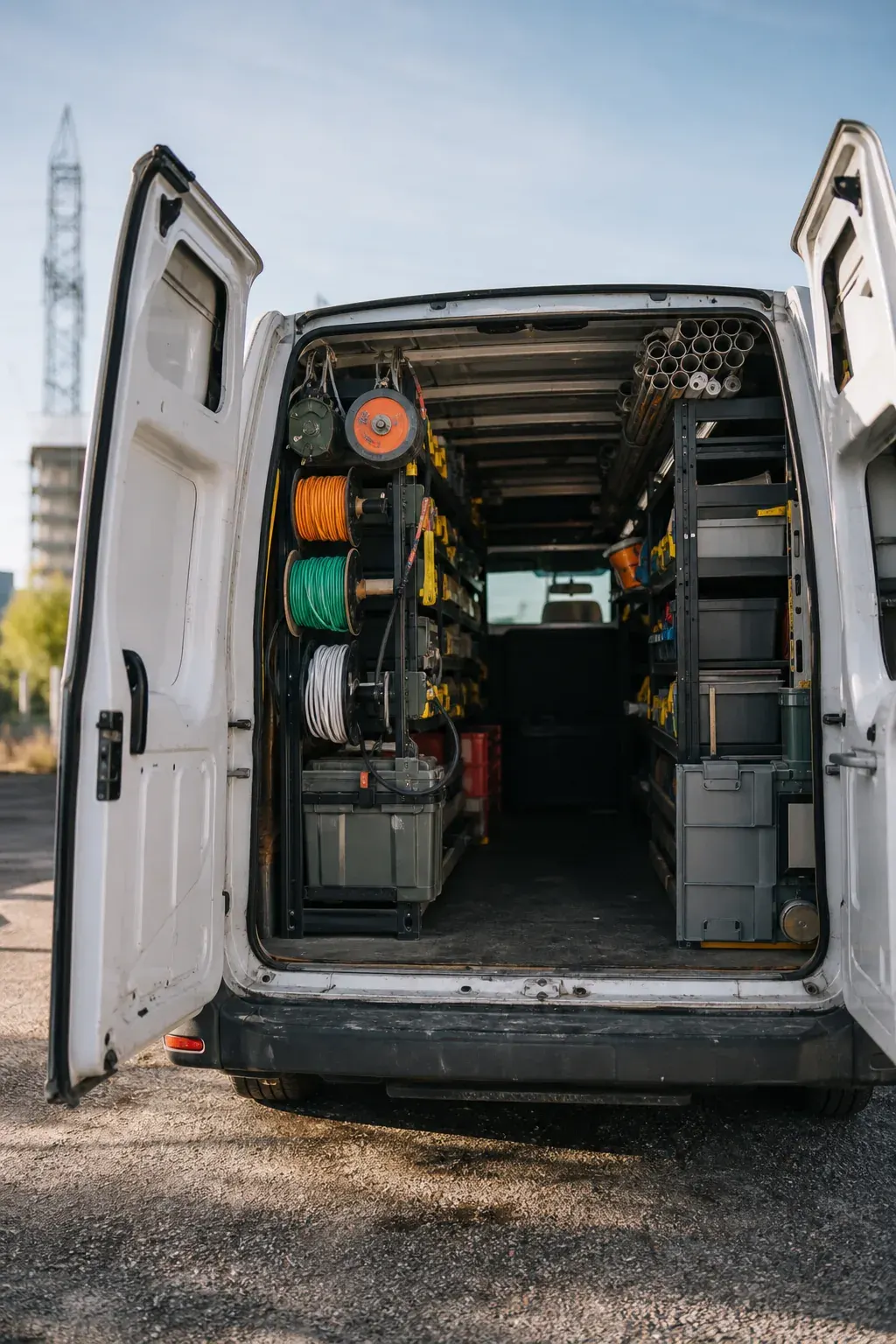
Meters, thermal cameras, benders, lifts and wire on the van add up quickly. Tools and equipment coverage protects them on site, in transit and in storage against theft and damage.
- Tools in the van and on site
- Rented and leased equipment
- Materials in transit
Errors and omissions
If you design systems, do load calculations or advise on solar, EV chargers or generators, a mistake can cost a client money without anyone being hurt. Professional liability covers that financial loss, which CGL does not.
- Design build and engineering support
- Load calculations and specifications
- Solar, battery and EV charger advice
Commercial auto
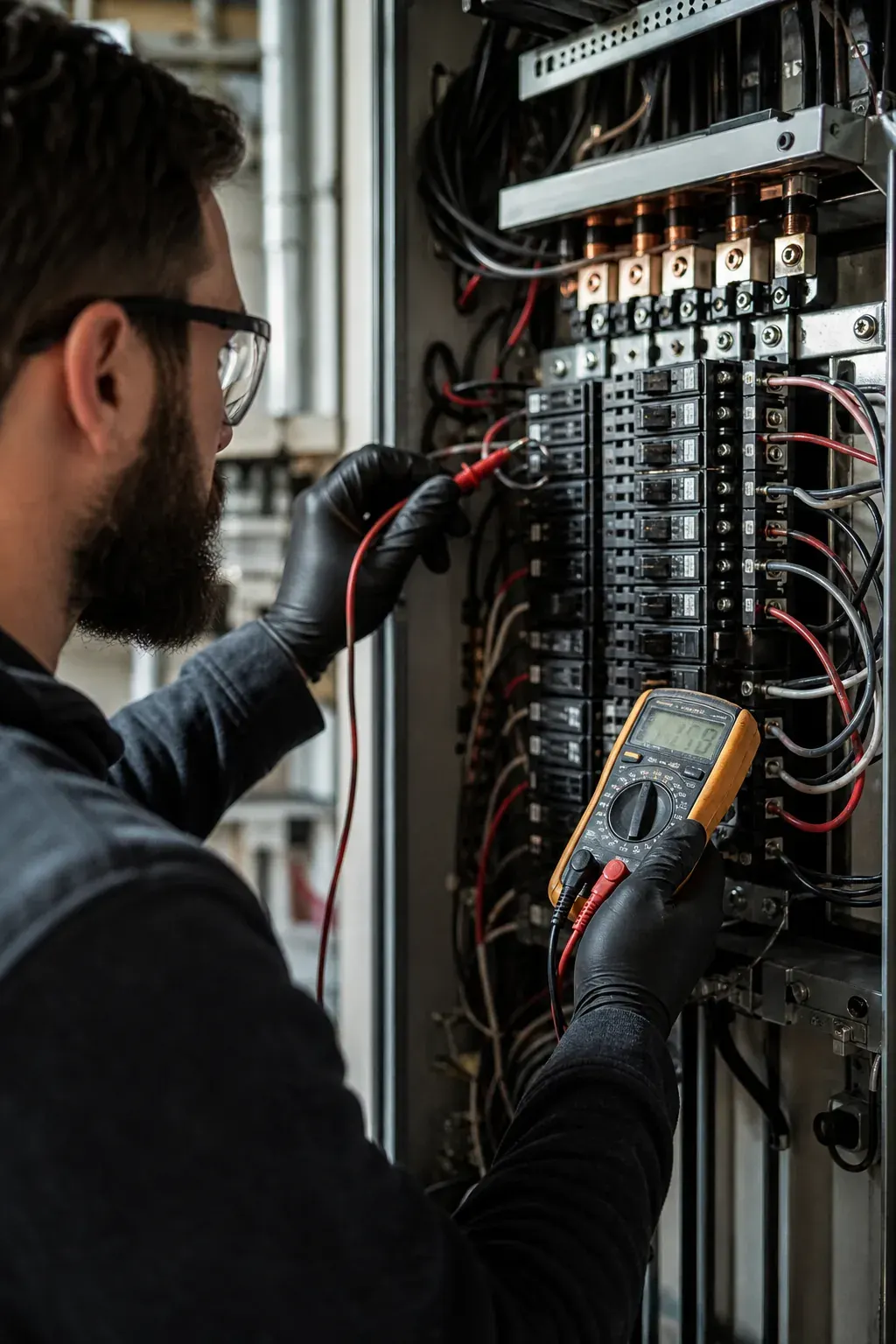
Service vans and trucks need commercial auto coverage. If apprentices or employees ever use their own vehicles for work, non owned auto liability protects the business.
- Owned vans and trucks
- Non owned auto for staff vehicles
- See commercial auto
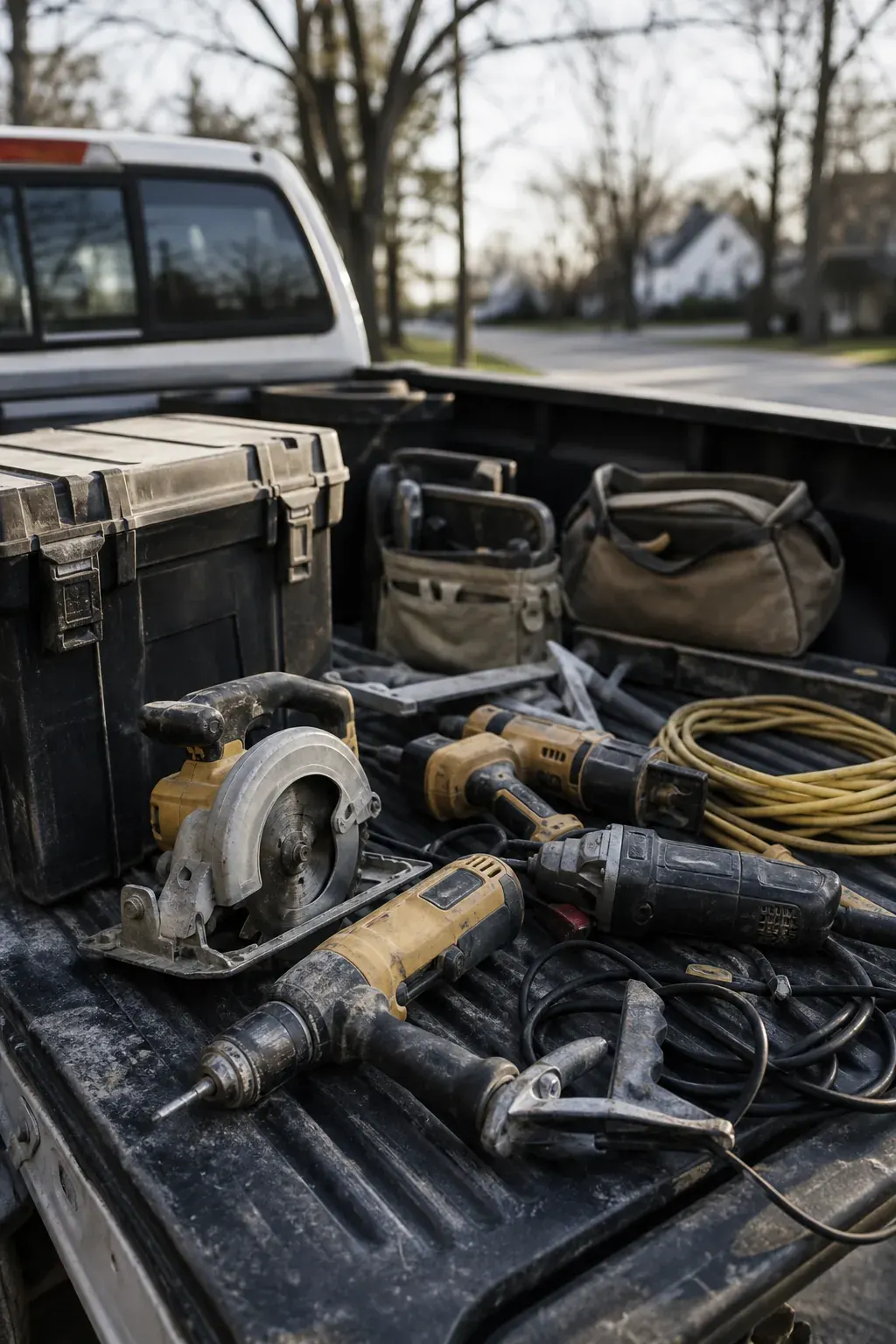
Electrical risks insurers look at
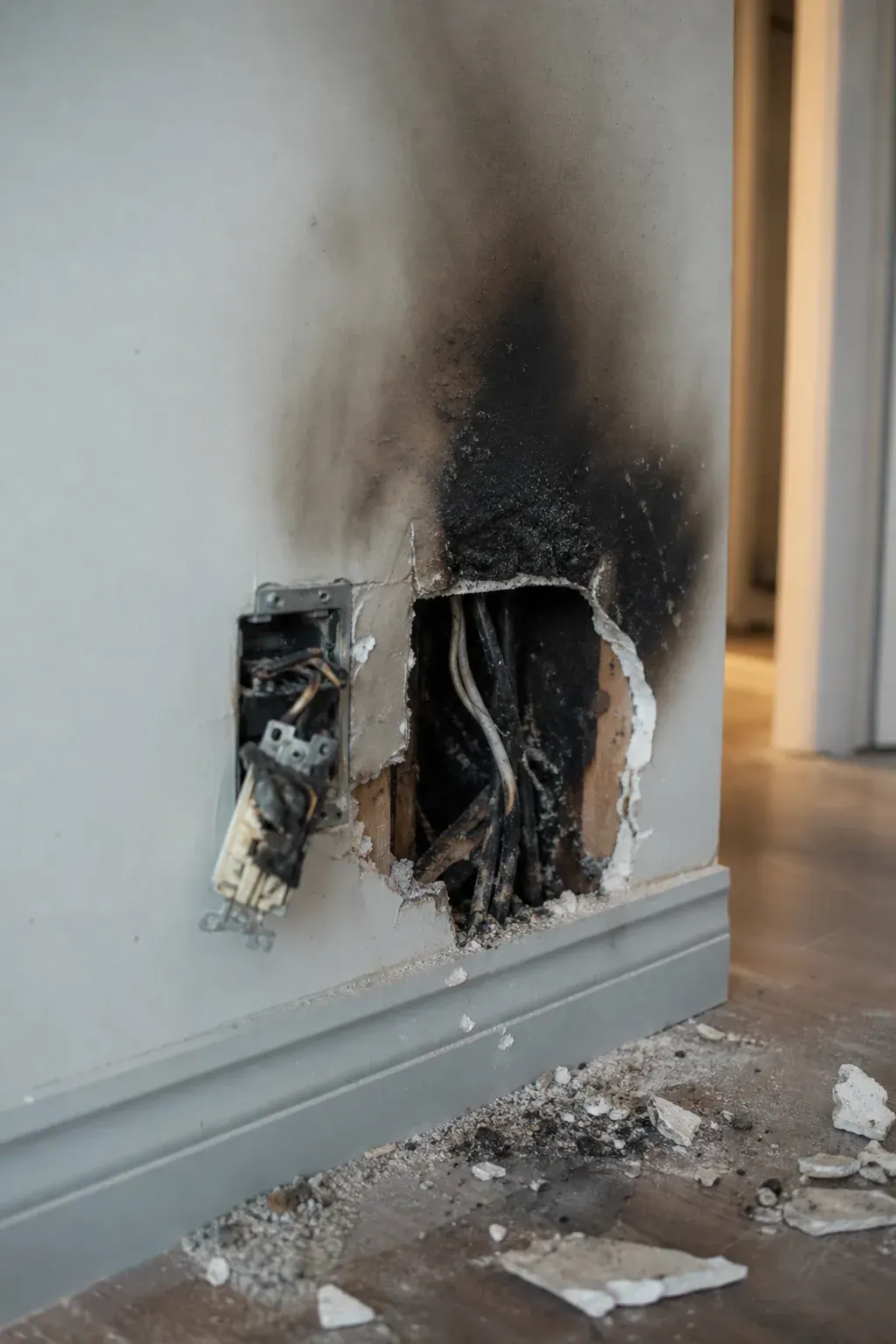
Fire and long tail claims
Electrical fires can start months or years after a job, and the investigation often focuses on the last contractor who touched the system. Keep records of permits, ESA notifications, inspections and photos for every job, because they are your best defence.
- File ESA notifications and keep inspection records
- Photograph panels and connections before closing walls
- Keep job files for years, not months
Voltage, heights and industrial work
Residential service work, commercial fit ups, industrial controls and high voltage work are priced very differently. Underwriters will ask about the split of your revenue, work at heights and any work on energized equipment, so describe it accurately to avoid a declined claim.
- Describe your residential, commercial and industrial split
- Disclose high voltage or utility work
- Note solar and EV charger installs
Subcontractors and apprentices
If you sub out work or hire other electricians as contractors, get their certificates of insurance and WSIB clearances. Unlicensed or uninsured subs can leave you carrying their claims.
- Collect certificates from every sub
- Get WSIB clearances before work starts
- Supervise apprentices as required
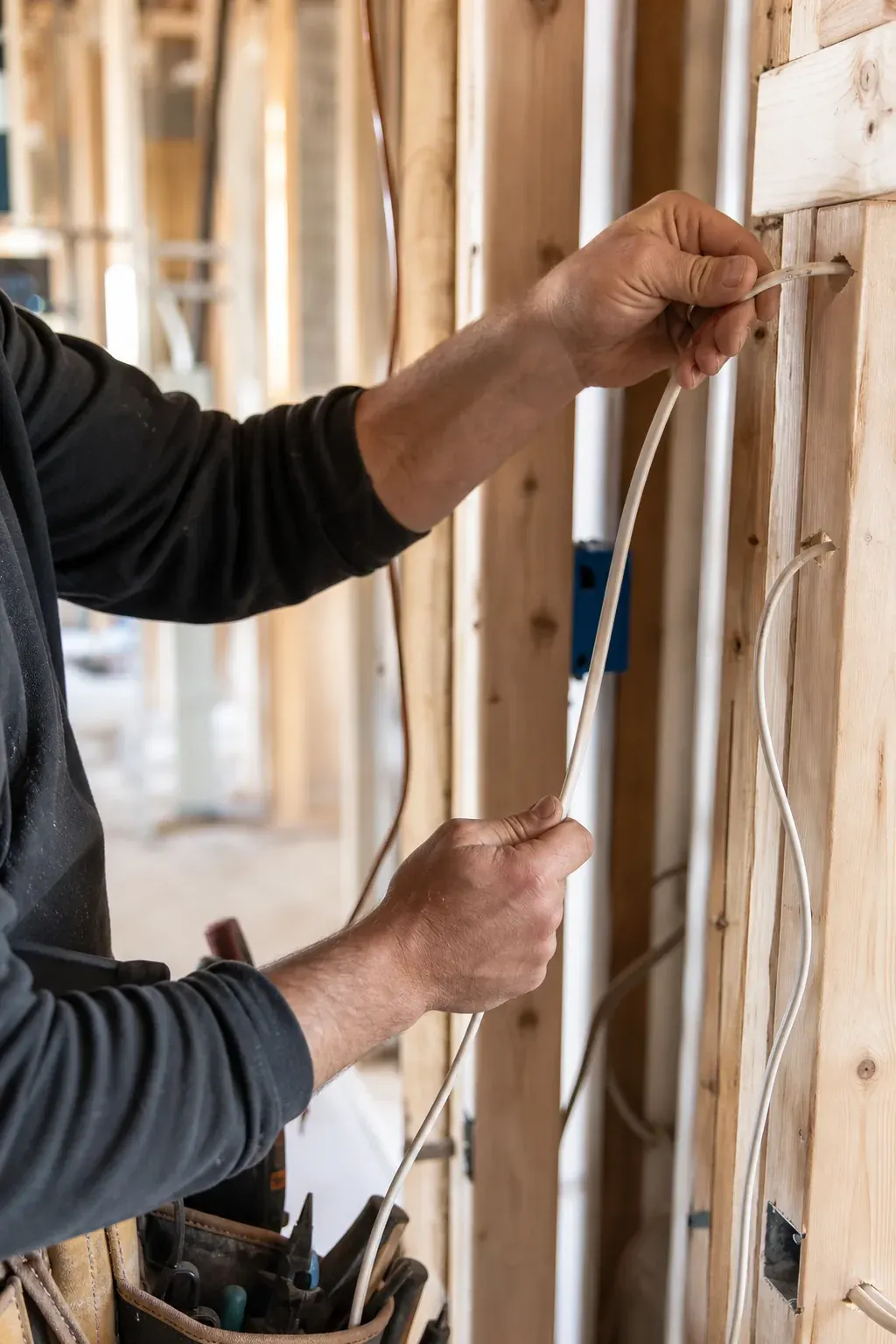
What does electrician insurance cost in Ontario?
As a general guide, many Ontario electricians running as an owner operator or small crew see roughly $1,000 to $4,000 a year for $2 million in general liability plus tools and equipment coverage. WSIB and commercial auto are priced separately. These are estimates only. See our contractor insurance cost guide.
Raises the price
- Commercial and industrial work
- High voltage or utility work
- Past fire or property claims
- Large subcontracted revenue
Helps lower it
- Mostly residential service work
- Clean claims history
- Strong job documentation
- Several years in business
Budget separately
- WSIB premiums, based on insurable earnings
- Commercial auto for work vehicles
- Surety bonds for bonded contracts
Get an electrical program that meets ESA and your contracts
Tell us about your electrical business and we will connect you with a licensed Ontario broker who places electrical contractors every week, meets your ESA requirement and can issue certificates for your next job quickly.
Running a larger construction company? See general contractor insurance.
Connect NowElectrician Insurance FAQs
How much liability insurance does an electrician need in Ontario?
The ESA requires at least $2,000,000 in public liability and property damage insurance to hold a Licensed Electrical Contractor licence. Many general contractors and commercial clients require $5 million, which is often met with a higher CGL limit or an umbrella.
Does my liability policy cover a fire caused by my past work?
It should, through completed operations coverage, which is part of a proper commercial general liability policy. Confirm your policy includes it and that it has not been limited.
Do I need errors and omissions insurance as an electrician?
If you design systems, do load calculations or give paid advice, E&O covers financial losses from mistakes, which general liability does not.
Do I need WSIB as a contractor in Ontario?
Most people who own or run a construction business in Ontario must have WSIB coverage, including sole proprietors, partners and executive officers, whether or not they have employees. There is an exemption for independent operators who only do home renovation work hired directly by the homeowner, and one non working executive officer or partner per company can be exempt. Read our WSIB clearance certificate guide.
How fast can I get a certificate of insurance for a new job?
A broker who works with contractors can usually issue a certificate of insurance the same day, including additional insured wording for the general contractor or property owner. See our certificate of insurance guide.
Are my tools covered if they are stolen from my van?
Only if you carry tools and equipment coverage that includes theft from vehicles. Many policies require the vehicle to be locked and may have conditions for overnight storage.
What happens after you request commercial insurance?
 1
1Discovery Call
(30 to 45 min)Understand operations, contracts, assets, and loss history.
Get Started Now!
We will request your
expiring policies and loss runs. 2
2Risk Mapping
(1 to 3 days)Document exposures, limits, sublimits, deductibles, and endorsements that fit your contracts.
Get Started Now! 3
3Market Placement
(2 to 5 days)Approach the right markets
Get Started Now!
and negotiate terms, exclusions, and deductibles. 4
4Proposal & Bind
Get Started Now!
Side-by-side options in clear wording, so you can choose with confidence.
Protect your team too
Offer health, dental and life benefits your employees will value.
We also connect Ontario businesses with licensed benefits advisors, from two person teams to growing companies.
 5/5 rating on Google
The Commercial Insurance Difference: Feedback from those referred
Proactive Broker Relationship.
The most noticeable difference was the fact that I no longer felt that I was needed to manage the broker... the brokers came to me with proactive recommendations and knew when to push and shop the market and when not to. When the topic of business insurance comes up, I always refer fellow business owners.
Steve T
Security Blanket For My Business
I was always the type of customer that never believed in insurance and only really got it because I had to. Then I connected with a broker through Commercial Insurance.ca and they asked me questions no one else ever did and that's how I knew something was different. They took the time to understand and evaluate the risks. Well, I ended up getting some extra coverage (legal expense) and thank goodness I did. Something fairly innocent turned into something quite nasty and I didn't have to do too much... my coverage took care of it. Now I look at Insurance as a security blanket for my business.
Michael L
They had my back
No one likes buying insurance because it's a bit of a bet against yourself. You just hope that when the bad things happen that insurance will do what it said it would do in the first place. Their specialist stand behind the policy's that they bind. They never professed to get me the best price, but they did say they have my back, and have my back, they did.
Steph P