
Does My Home Insurance Cover My Home-Based Business?
Business insurance basicsHome-based businessPolicy basicsGeneral liabilitySmall businessCommercial property
Quick answer
Usually only in part. A standard Ontario home policy is written for personal use, so it often limits coverage for business equipment and inventory and may not respond if a client is hurt in your home. Tell your insurer about the business, then ask a broker whether an endorsement or a separate business policy fits.
Running a business from home keeps costs down, but it also blurs the line between your household and your company. The laptop on the kitchen table, the inventory in the basement and the client who drops by for a meeting can all fall into a grey area under a standard home insurance policy.
This guide explains where a typical Ontario home policy tends to fall short for a home-based business, what you should tell your insurer and the coverage options worth discussing. Every policy is worded differently, so confirm the details for your own situation with a licensed broker.

Does a standard home policy cover business activities?
Usually only in a limited way. A homeowner or tenant policy is designed for a household, not a business. Its property limits, liability coverage and exclusions are priced for personal use, so business activity often sits outside what the insurer agreed to cover.
Common gaps include:
- Business property. Equipment, tools and stock used for the business may be subject to a low sublimit or excluded.
- Business liability. Claims from clients, customers or employees arising from your business are often excluded from the personal liability section.
- Business income. If a fire forces you to stop working, a home policy generally pays to repair the home, not to replace the income your business lost.
- Data and professional work. Mistakes in your advice or a data breach are not what a home policy is built for.
The Ontario Securities Commission’s consumer money guide puts it plainly: your home policy won’t cover you if employees or clients get hurt while in your home, and most policies limit how much you can claim for business equipment you have not itemized.
Do I need to tell my insurer about my home business?
Yes. The Financial Services Regulatory Authority of Ontario (FSRA) lists disclosure as one of a policyholder’s responsibilities. Its consumer page on property insurance says to disclose renovations or home-based business activities on your application, no matter how small.
Disclosure matters because insurers price and accept risks based on what you tell them. If the business comes to light only after a claim, the insurer may question the claim or the policy, depending on the wording and the circumstances. Telling your insurer or broker up front lets them confirm what is covered, add an endorsement or point you to a better fit.
A good rule: if you earn income from home, store business goods there, have clients visit or have employees work there, mention it before your next renewal, or sooner if the business is new.
Is my business equipment and inventory covered?
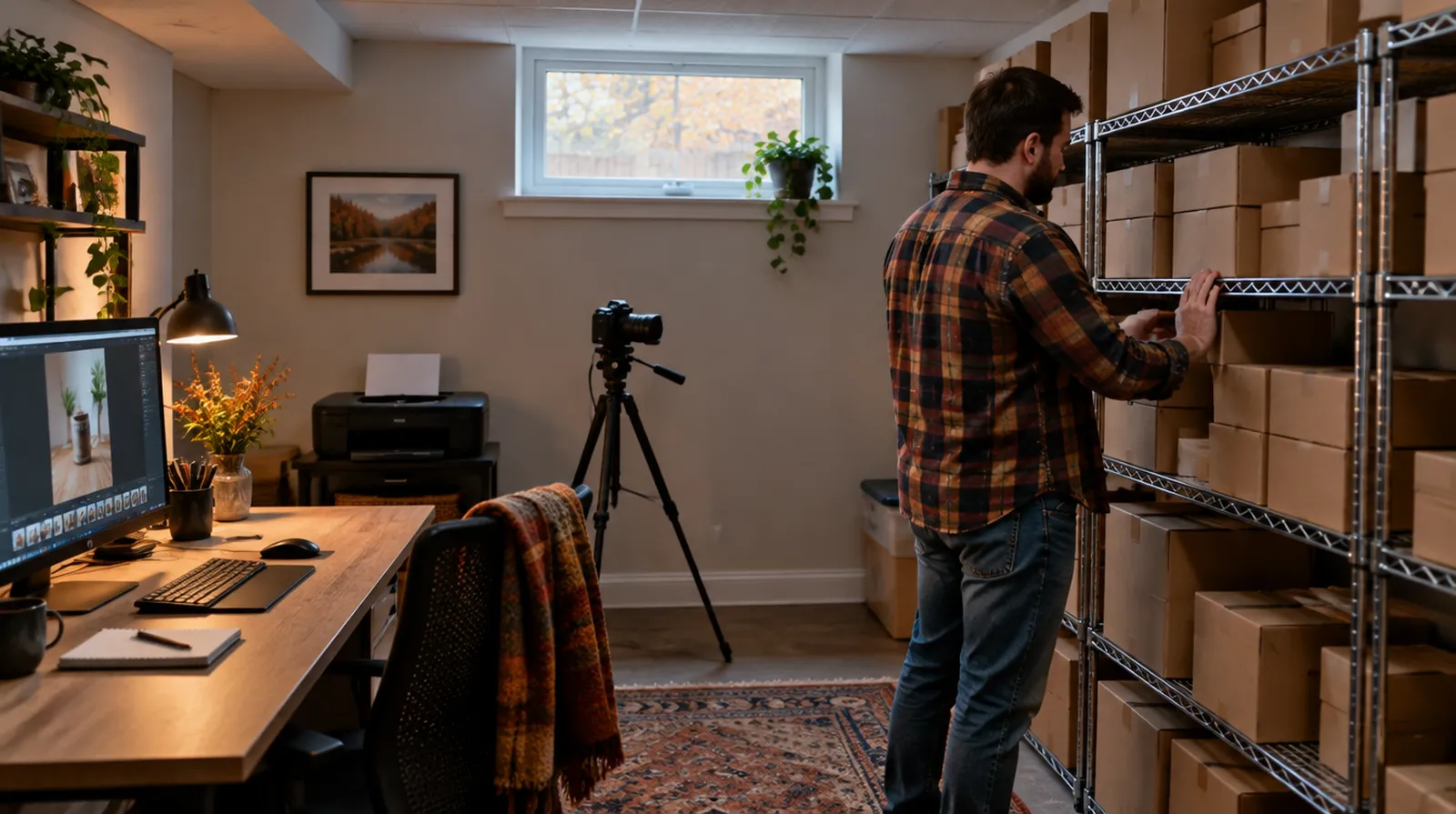
Possibly, but often not for its full value. Many home policies cap business property at a modest amount, and some exclude stock held for sale. If you sell products online, run a photography business or keep specialized tools, that cap can be well below what it would cost to replace everything after a fire or theft.
Items worth listing for your broker:
- Computers, monitors, phones and printers used for work
- Cameras, tools, kitchen equipment or other specialized gear
- Inventory, raw materials and finished goods
- Business property you take off site, such as a laptop at a client’s office or stock at a market stall
Equipment you carry to job sites or events is a separate question. Many home policies restrict coverage for property away from home, and business property in transit may need its own coverage.
What if a client gets hurt at my home?

This is often the biggest gap. If a client slips on icy steps during a winter visit or trips over equipment in your home office, they may claim that you were responsible. A standard home policy may exclude injuries that arise from business activities, which can leave you paying for a lawyer and any settlement yourself.
Liability coverage for a home-based business usually comes from one of two places:
- A home business endorsement that extends liability coverage to a defined, low-risk business activity
- A commercial general liability policy that covers bodily injury and property damage claims arising from your business operations, at home and away
If you visit clients, deliver products or do work at their premises, the second option is often a better fit, because the risk is not limited to your property. Clients and contracts may also ask for proof of liability coverage before they hire you.
Which coverage options should I ask about?
The right setup depends on what you do, how big the operation is and who comes to your home. This table summarizes the usual choices:
| Option | Typically suits | What it often adds |
|---|---|---|
| Home business endorsement | Small, low-risk businesses with few visitors | Higher limits for business property and some business liability |
| Home-based business policy | Growing businesses with more equipment or stock | Business property, liability and sometimes business income |
| Commercial package policy | Businesses with employees, inventory or off-site work | General liability, contents, equipment and business interruption |
| Professional liability (E&O) | Consultants, designers, bookkeepers and advisors | Claims that your advice or service caused a financial loss |
| Cyber coverage | Businesses that store client or payment data | Breach response costs and related liability |
If clients rely on your expertise, ask about professional liability insurance as well, because a general liability policy is usually built for injury and property damage, not financial loss from advice. Insurers’ product names and limits vary, so treat the table as a starting point for a conversation, not a coverage promise.
Does my car insurance cover business use?
Not automatically. The OSC’s guide notes that a home-based business that uses a vehicle may need special car insurance. A personal auto policy is rated on how you described your driving, and regular deliveries, client visits or carrying tools and stock can change that.
Tell your insurer or broker how you use the vehicle for work. Depending on the use, they may adjust your personal policy or recommend commercial auto insurance.
Can I deduct home insurance as a business expense?
Possibly, in part. The Canada Revenue Agency allows some self-employed people to claim part of their home expenses, and its guidance on business-use-of-home expenses lists insurance among them. In its guidance for home daycare operators, for example, CRA says to use a reasonable basis, such as the area used for the business compared with the total area of the home.
CRA also says business-use-of-home expenses cannot be used to create or increase a business loss. Premiums for a separate business policy are a different item from your home insurance. The rules depend on how you use the space, so ask your accountant how they apply to you.
How do I get the right coverage for a home-based business?
Before you speak with a broker, gather the details they will usually ask about:
- What the business does and roughly how much revenue it earns
- Where the work happens: at home, at clients’ premises, online or at events
- Visitors and staff: how often clients come over and whether anyone works for you
- Business property: a list of equipment and inventory with approximate replacement values
- Contracts: any client agreements that require you to carry insurance
Review your coverage each year. A side business that started with a laptop can grow into one with stock, staff and a delivery vehicle, and a policy that fit at the start may not fit now. For an overview of commercial options, see our page on business insurance.
Get matched with a licensed Ontario broker
CommercialInsurance.ca is a free referral service, not an insurer or broker. Tell us about your home-based business, and we will connect you with a licensed Ontario broker, regulated by RIBO, who follows up within 24 hours to review whether an endorsement or a separate business policy fits.
Frequently asked questions
Do I have to tell my home insurer that I run a business from home?
You should. FSRA's consumer guidance says to disclose home-based business activities on your application, no matter how small. Leaving it out can give the insurer grounds to reduce or deny a claim, depending on the policy wording, so tell your insurer or broker before a loss happens.
Will my home insurance cover my laptop if I use it for work?
It may cover some of it, but many home policies limit how much you can claim for business property. The Ontario Securities Commission's money guide notes that most policies limit claims for business equipment that is not itemized. Ask your broker whether you need an endorsement or business contents coverage.
What happens if a client trips on my front steps?
A standard home policy may not respond to injuries to clients or employees who visit for business reasons. Many home-based businesses add liability coverage through a home business endorsement or a commercial general liability policy. The right choice depends on how many visitors you have and what you do.
Is a home business endorsement enough, or do I need a separate policy?
It depends on the size and type of business. An endorsement can suit a small, low-risk operation with modest equipment and few visitors. Businesses with employees, significant inventory, professional advice or higher revenue often need a separate commercial package, so compare both options with a broker.
Can CommercialInsurance.ca add business coverage to my home policy?
No. CommercialInsurance.ca is a free referral service, not an insurer or broker, so it does not sell, quote or change policies. We connect Ontario business owners with licensed brokers regulated by RIBO, and a broker follows up within 24 hours to review your home-based business.
Sources
This article is general information, not insurance or legal advice. Coverage depends on the policy wording. Speak with a licensed broker or advisor about your situation.