
What Should a Business Do After a Data Breach in Ontario?
Professional, D&O and cyberData breachCyberLegal requirementsClaimsSmall business
Quick answer
Contain the breach first: disconnect affected systems, reset passwords and preserve evidence. Then assess whether it creates a real risk of significant harm. If it does, PIPEDA requires you to report it to the federal Privacy Commissioner and notify affected people as soon as feasible. Keep a record of every breach and contact your insurer early.
The moment you realize customer or employee information may have been exposed is stressful. Maybe an employee clicked a phishing link, a laptop went missing from a car, or your files are suddenly locked behind a ransom note. What you do in the first hours and days can shape how much harm the breach causes and how well you meet your legal duties.
This guide walks through the first steps for an Ontario small business, based on guidance from the Office of the Privacy Commissioner of Canada (OPC) and the Canadian Centre for Cyber Security. It is general information, not legal advice, so bring in legal counsel and your IT provider as early as you can.

What counts as a data breach for an Ontario business?
The OPC describes a privacy breach as the loss of, unauthorized access to, or use or disclosure of personal information. For most Ontario businesses, the federal Personal Information Protection and Electronic Documents Act (PIPEDA) sets the rules, and its reporting duties apply to a “breach of security safeguards” involving personal information under your control.
That can include:
- A hacked email account that holds client files or invoices.
- Ransomware that encrypts or copies customer records.
- A lost or stolen laptop, phone or USB drive.
- An email with personal information sent to the wrong person.
- Paper files left unsecured or thrown out without shredding.
Clinics and other health practices may have additional duties under Ontario’s health privacy law, so they should get advice specific to patient information.
What should you do in the first few hours?
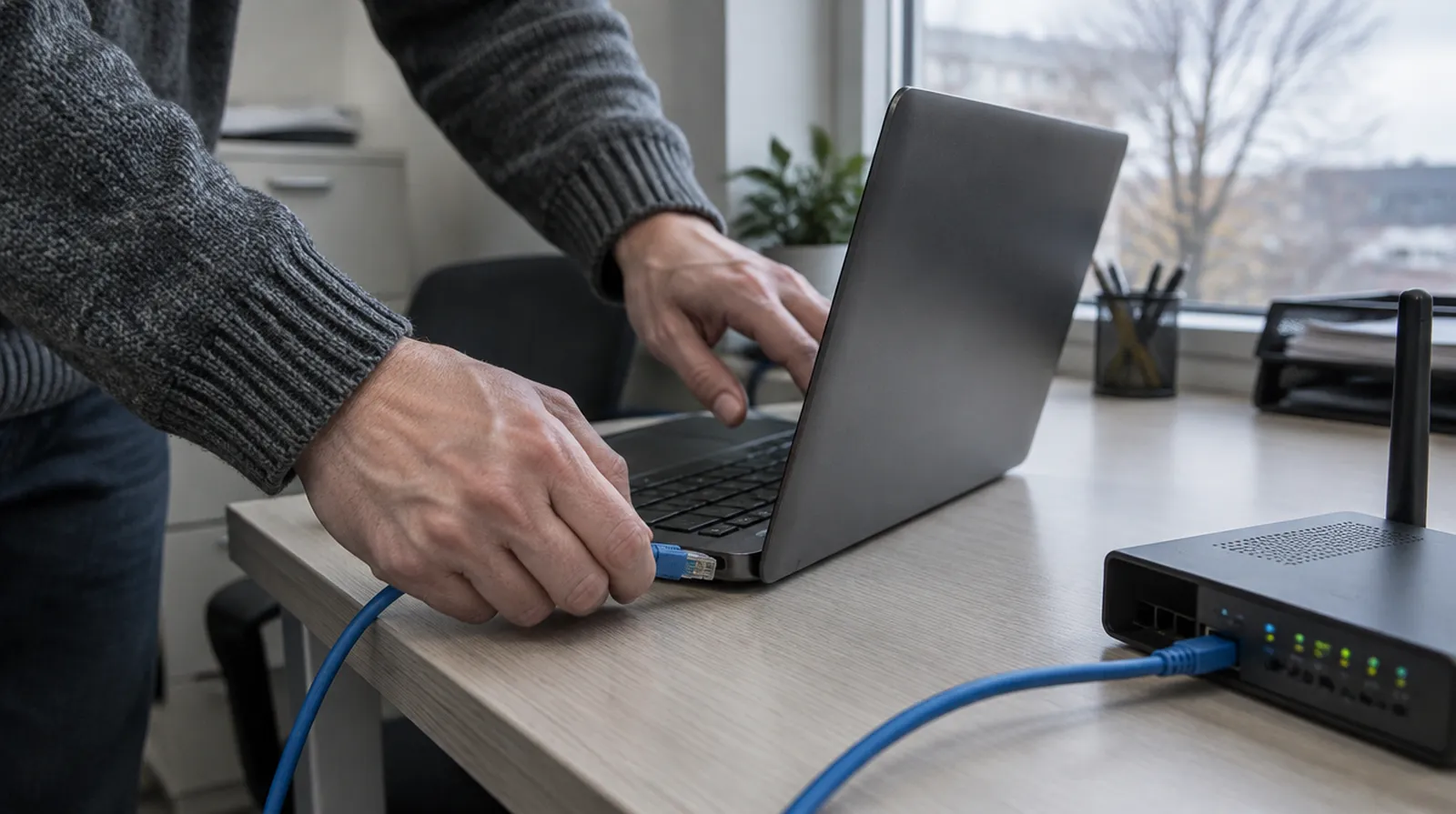
Your first job is containment. The OPC’s guidance on containing a breach suggests these steps:
- Follow your incident response plan if you have one.
- Find the source and stop it. Reset passwords for affected accounts right away, disconnect the networks, systems and devices the attacker used to reach the data, and change access codes for file rooms or cabinets if physical records are involved.
- Tell the right people inside the business, such as whoever handles privacy, IT, security and legal matters.
- Document the facts: what happened, when, how many people may be affected and what you have done so far.
- Recover what you can. Restore data from backups, ask anyone who received information by mistake to return or delete it, and remotely wipe a missing device if that is possible.
- Preserve evidence. The OPC warns businesses to be careful not to destroy evidence, and suggests naming one person to lead the internal investigation.
For ransomware, the Cyber Centre’s ransomware playbook advises isolating infected systems from the internet and your internal network. Because the OPC warns against destroying evidence, check with your IT provider, and your insurer if you have cyber coverage, before wiping or rebuilding machines.
How do you decide if the breach creates a real risk of significant harm?
Under section 10.1 of PIPEDA, reporting and notification depend on whether it is reasonable to believe the breach creates a “real risk of significant harm” to an individual. The Act lists two main factors:
- Sensitivity of the information. Banking details, government identification numbers, health information and passwords are usually more sensitive than a business email address.
- Probability of misuse. Ask whether the information was actually accessed or copied, whether it was encrypted, who has it now and whether there are signs it is being used.
Significant harm is defined broadly. It includes bodily harm, humiliation, damage to reputation or relationships, loss of employment or business opportunities, financial loss, identity theft, negative effects on a credit record and damage to or loss of property. The OPC offers an online tool to help businesses work through this assessment.
Who do you have to notify, and when?
If the breach meets the real risk of significant harm test, PIPEDA sets out three duties. If it does not, the record keeping duty still applies.
| Duty | Who | Timing |
|---|---|---|
| Report the breach | Office of the Privacy Commissioner of Canada | As soon as feasible after you determine the breach occurred |
| Notify affected people | Each individual at real risk of significant harm, usually directly | As soon as feasible after you determine the breach occurred |
| Notify other organizations | Any organization or government institution that may be able to reduce the risk of harm, such as a bank or payment processor | As soon as feasible |
| Keep a record | Your own files, available to the OPC on request | Every breach, whether reportable or not |
According to the OPC, a notice to individuals should describe what happened and when, what personal information was involved, what you have done to reduce the harm, what people can do to protect themselves and who they can contact for more information. The OPC also says breach records must be kept for two years, and that knowingly breaking the reporting, notification or record keeping rules is an offence that can lead to fines.
Should you report the breach to police or the Cyber Centre?
Privacy reporting is only part of the picture. If the breach involved a crime such as hacking, ransomware or fraud, consider these reports as well:
- Local police. Both the Cyber Centre and the Canadian Anti-Fraud Centre advise contacting your local police.
- The Canadian Centre for Cyber Security. Its online reporting system accepts reports from businesses and organizations in Canada.
- The Canadian Anti-Fraud Centre. It accepts reports of fraud and cybercrime and works with the RCMP’s National Cybercrime Coordination Centre.
If you are facing a ransom demand, the Cyber Centre says the decision to pay is up to your organization, but that paying carries risks and may be unlawful in some situations. It recommends contacting police before you even consider paying.
When should you call your insurer or broker?

Early. If you have cyber insurance, the policy may include a breach response hotline and access to forensic, legal and notification specialists. Many policies also require prompt notice of an incident and may expect you to use approved vendors or get consent before paying certain costs, so calling first can help protect your coverage. The exact requirements depend on the policy wording.
If you do not have a cyber policy, still check your other coverage. Some general liability, property or business interruption policies include limited cyber extensions, while many exclude electronic data losses. Your broker can tell you whether any policy may respond.
Health practices handling patient records can review our page on clinic cyber insurance for that setting.
How can you reduce the chance of another breach?
Once the immediate crisis is under control, look at what allowed the breach to happen. Common improvements include:
- Turning on multi-factor authentication for email, banking and cloud accounts.
- Keeping regular backups, with at least one copy stored offline.
- Training staff to spot phishing and to confirm payment changes by phone.
- Limiting who can access personal information and removing access for former staff.
- Writing a short incident response plan with contact details for your IT provider, legal counsel and broker.
It is also a good time to review whether your coverage matches your risk. Our guide on whether a small business needs cyber insurance explains what a cyber policy typically covers.
Get matched with a licensed Ontario broker
CommercialInsurance.ca is a free referral service, not an insurer or broker, and it does not handle claims. If you want to review your cyber coverage, tell us about your business and we will connect you with a licensed Ontario broker, regulated by RIBO, who follows up within 24 hours.
Frequently asked questions
Do small businesses have to report a data breach in Canada?
Yes, if the breach involves personal information and creates a real risk of significant harm. The Office of the Privacy Commissioner of Canada says PIPEDA breach requirements apply to small businesses as well as large ones. Every breach must also be recorded, even when it does not need to be reported.
How quickly do I have to notify customers after a breach?
PIPEDA says notice must be given as soon as feasible after you determine that the breach has occurred. There is no fixed number of days in the Act. In practice, that means moving quickly once you understand what happened and whose information is involved.
Should I pay a ransomware demand?
The Canadian Centre for Cyber Security says the decision is up to your organization, but it points out real risks and notes that paying may be unlawful in some cases, such as under sanctions or money laundering laws. It advises contacting your local police before you even consider paying. Speak with legal counsel and your insurer before making any decision.
Will my insurance pay for breach response costs?
It depends on the policy wording. A cyber policy often includes breach response costs such as IT forensics, legal advice and notification, while many general liability and property policies exclude or limit cyber losses. Report the incident to your insurer or broker promptly so you do not jeopardize coverage.
Can CommercialInsurance.ca help me with a breach claim?
No. CommercialInsurance.ca is a free referral service, not an insurer or broker, so it does not handle claims. If your claim is with an existing policy, contact your insurer or broker directly. If you want to review your cyber coverage afterwards, we can connect you with a licensed Ontario broker regulated by RIBO, who follows up within 24 hours.
Sources
- priv.gc.ca/en/privacy-topics/business-privacy/breaches-and-safeguards/privacy-breaches-at-your-business/contain_pb
- priv.gc.ca/en/privacy-topics/business-privacy/safeguards-and-breaches/privacy-breaches/respond-to-a-privacy-breach-at-your-business/gd_pb_201810
- laws-lois.justice.gc.ca/eng/acts/P-8.6/page-3.html
- cyber.gc.ca/en/guidance/ransomware-playbook-itsm00099
- cyber.gc.ca/en/incident-management
- antifraudcentre-centreantifraude.ca/report-signalez-eng.htm
This article is general information, not insurance or legal advice. Coverage depends on the policy wording. Speak with a licensed broker or advisor about your situation.